




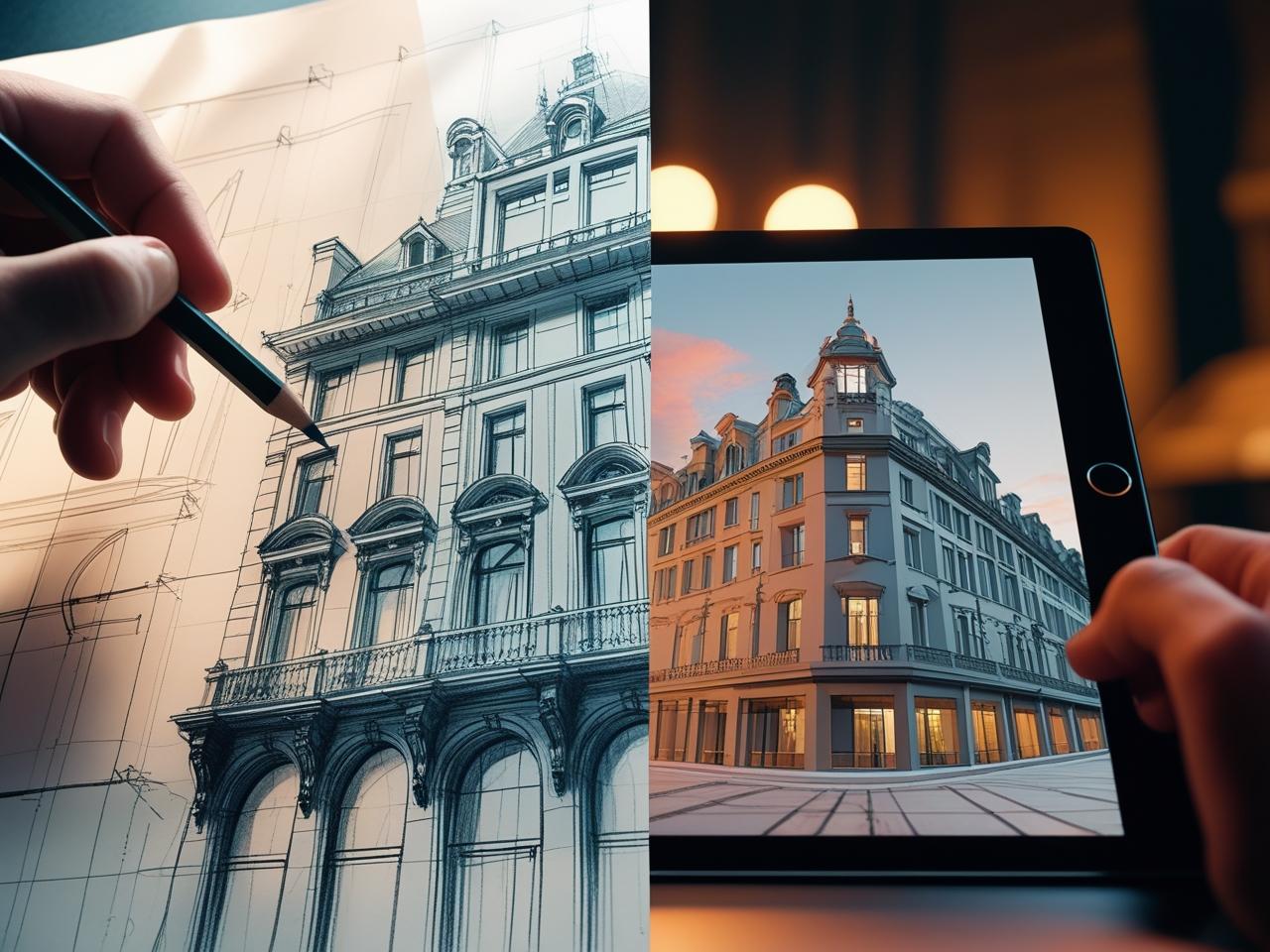
Construction methods have evolved significantly over time, moving from traditional, labor-intensive techniques to advanced solutions. Traditional methods rely on on-site construction with raw materials, while modern construction techniques incorporate prefabrication, automation, and sustainable materials to enhance efficiency. Understanding the differences between these methods is essential for developers and builders aiming to choose the most efficient and cost-effective approach for their projects.
Here are the advantages and limitations of both approaches and how partnering with a design-build company can streamline the construction process.
Table of Contents
What is Traditional Construction?
Comparative Analysis: Traditional vs. Modern Construction
Factors Influencing the Choice Between Traditional and Modern Techniques
How a Design-Build Company Streamlines the Process in Modern Construction
Partner with Claris for Your Next Commercial Project!
Key Takeaways✔ Modern construction techniques significantly reduce project timelines through prefabrication and parallel workflows, while traditional methods are slower due to sequential on-site construction. ✔ Traditional construction often leads to higher long-term costs due to labor-intensive processes and material waste, whereas modern techniques provide cost savings through reduced labor, precise material usage, and faster completion. ✔ Modern methods ensure consistent quality and precision with factory-controlled production and automation, while traditional construction relies on craftsmanship, leading to potential inconsistencies. ✔ Traditional construction offers greater design flexibility, allowing for on-site modifications, whereas modern construction follows pre-designed modular systems that offer customization but require advanced planning.✔ Modern construction is more sustainable, reducing material waste and incorporating eco-friendly materials and energy-efficient technologies, while traditional methods generate more waste and rely on resource-heavy materials. |
What is Traditional Construction?

Traditional construction involves long-established building methods that rely on manual labor and on-site assembly of raw materials like bricks, concrete, timber, and steel. While these methods have been used for decades, they require skilled craftsmanship and are often time-intensive.
Common Materials and Methods in Traditional Construction
Traditional construction relies on time-tested materials and building techniques that have been used for decades. Despite its reliability, traditional construction requires skilled labor for each phase, increasing dependency on multiple teams for site preparation, foundation work, electrical and plumbing installation, and finishing touches. These materials include:
- Concrete and Bricks – These materials provide durability and structural integrity, making them ideal for commercial buildings, office complexes, and retail centers.
- Timber and Steel – Used for framing, support structures, and roofing. Timber is common in smaller projects, while steel is essential for high-rise buildings and large-scale commercial developments.
- Plaster and Mortar – Applied in masonry work, interior finishes, and structural reinforcement, these materials enhance the aesthetics and longevity of buildings.
Phases of Traditional Construction
Traditional construction follows a step-by-step, linear process, requiring coordination between multiple professionals at each phase. Since each stage depends on the completion of the previous one, timelines can be affected by labor availability, weather, and material procurement.
Here’s a breakdown of the key phases and the specialists involved:
1. Planning and Design
- Key Professionals Involved: Architects, Engineers, Project Managers, and Clients.
- Process: The project begins with an architectural blueprint, structural plans, and permits. Engineers conduct site assessments, while project managers ensure that design requirements align with budget and regulations.
2. Site Preparation and Foundation Work
- Key Professionals Involved: Site Surveyors, Excavation Crews, and Concrete Specialists.
- Process: The land is cleared, graded, and prepped for construction. Surveyors ensure correct site positioning, excavation crews dig trenches, and concrete specialists pour the foundation, which must cure before framing begins.
3. Framing and Structural Assembly
- Key Professionals Involved: Carpenters, Steelworkers, and Structural Engineers.
- Process: The building’s skeleton is erected using wood, steel, or concrete framing. Engineers oversee load-bearing elements, while carpenters and steelworkers ensure structural integrity and alignment with blueprints.
4. Enclosure: Walls, Roofing, and Windows
- Key Professionals Involved: Masons, Roofers, and Window Installers.
- Process: Walls are constructed using brick, concrete, or drywall, while roofers install trusses and waterproofing materials. Windows and exterior doors are fitted, closing the structure to protect interior work.
5. MEP (Mechanical, Electrical, Plumbing) Installations
- Key Professionals Involved: Electricians, Plumbers, and HVAC Technicians.
- Process: Utility systems, including electrical wiring, plumbing, and HVAC (heating, ventilation, and air conditioning), are installed. This phase requires compliance with safety codes and testing before sealing walls and ceilings.
6. Interior and Exterior Finishes
- Key Professionals Involved: Painters, Flooring Specialists, and Interior Designers.
- Process: Walls are painted, flooring is installed, and interior features such as cabinetry, lighting, and fixtures are completed. On the exterior, landscaping, and façade work finalize the project.
7. Final Inspections and Handover
- Key Professionals Involved: Building Inspectors, Safety Officers, and Project Managers
- Process: A final walkthrough ensures compliance with local building codes and project specifications. Any issues are addressed before the building is handed over to the owner for occupancy.
What is Modern Construction?
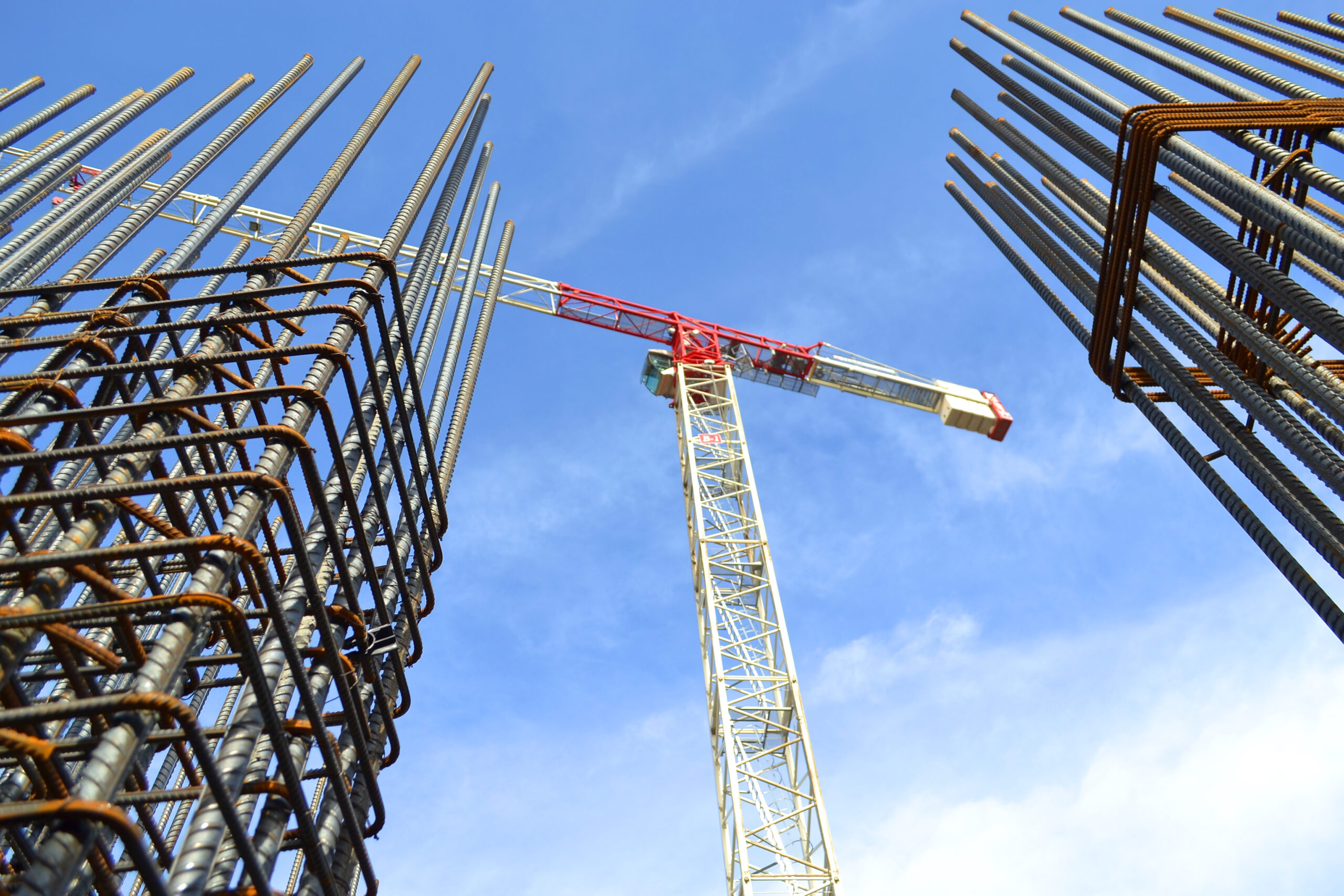
Modern construction techniques refer to a range of innovative, technology-driven methods that enhance efficiency, reduce costs, and improve sustainability. Unlike traditional construction, which depends on on-site labor and sequential processes, modern methods integrate automation, prefabrication, and digital tools to streamline every phase of a project. Claris integrates prefabrication, robotics, and advanced project management technologies to optimize efficiency, reduce labor reliance, minimize material waste, and accelerate project completion—all while maintaining high quality and sustainability.
For commercial developers, modern construction is particularly advantageous because it prioritizes speed and cost control while maintaining high quality. Claris uses an integrated approach, which prioritizes speed, cost control, and quality. By consolidating design and construction teams under one roof, Claris ensures that walls, floors, and structural elements are strategically planned and, when applicable, prefabricated in controlled environments before being transported to the site for efficient assembly. By shifting key construction phases off-site, modern methods reduce weather-related delays, material storage issues, and inconsistencies in craftsmanship, ensuring a more predictable and efficient building process.
Modern construction also integrates smart technologies, such as Building Information Modeling (BIM) and automated project tracking, which improve decision-making, reduce errors, while enhancing collaboration between architects, engineers, and contractors. These advancements are particularly beneficial in large-scale commercial projects, where precision, durability, and speed are critical.
Key Innovations and Materials in Modern Construction
Modern construction relies on cutting-edge materials and advanced processes that improve structural integrity, reduce costs, and enhance sustainability. Some of the most impactful innovations include:
- Prefabrication and Modular Construction – This approach allows entire sections of buildings to be fabricated off-site and assembled on location, reducing on-site labor needs, improving quality control, and cutting construction times by up to 50%. Modular construction is particularly beneficial for hotels, office buildings, and multi-family residential complexes, where repeatable designs can be produced at scale.
- 3D Printing Technology – 3D printing in construction creates custom-designed, highly durable components with minimal waste and reduced costs. Claris recognizes the transformative potential of 3D printing in construction, particularly in creating custom-designed, durable components with minimal waste and reduced costs. We have explored related innovative techniques such as 3D volumetric construction. This method involves creating complete three-dimensional building sections in a factory setting, which are then transported to the site for assembly, resulting in reduced construction time and on-site waste.
- Energy-Efficient Insulation and Smart Building Materials – Modern commercial buildings are designed with energy efficiency in mind, utilizing advanced insulation techniques that lower heating and cooling costs. Claris integrates advanced materials and technologies to enhance energy efficiency and sustainability in their projects. In their design-build services, Claris consistently proposes renewable energy solutions, including photovoltaic systems, to optimize building performance and achieve long-term operational savings.
Comparative Analysis: Traditional vs. Modern Construction

Construction methods have evolved significantly, and businesses must carefully evaluate the differences between traditional construction and modern construction techniques when planning commercial projects. This comparative analysis highlights key areas where modern construction outperforms traditional methods, while also recognizing instances where conventional approaches may still be necessary.
| Factor | Traditional Construction | Modern Construction Techniques |
| Time Efficiency | Follows a linear, step-by-step process, making it slower and vulnerable to delays. | Uses parallel workflows like prefabrication and modular construction, reducing build time by 30-50%. |
| Cost Efficiency and Long-Term Savings | Labor-intensive and prone to higher long-term costs due to extended timelines and material inefficiencies. | Bulk material purchasing reduced labor dependency, and faster build times lower overall costs. |
| Quality and Precision | Dependent on craftsmanship, leading to variability and potential rework due to human error. | Factory-controlled processes ensure high precision and uniformity with automation and robotics. |
| Flexibility and Customization | Provides flexibility for on-site modifications, making it ideal for unique, custom designs that require real-time adjustments. | Pre-designed modular components allow customization, but changes must be planned. |
| Sustainability & Environmental Impact | Higher material waste and reliance on energy-intensive materials like cement and steel. | Uses sustainable materials like recycled steel, CLT, and energy-efficient insulation, reducing waste. |
Factors Influencing the Choice Between Traditional and Modern Techniques
Selecting the right construction approach depends on the specific needs of a commercial project. While modern construction techniques offer speed, efficiency, and sustainability, there are instances where traditional methods may still be preferred. Understanding when to opt for each approach ensures that projects meet budget, timeline, aesthetic, and functional requirements.
When to Consider Traditional Construction
Custom or High-End Architectural Designs
Traditional construction is best for projects that demand intricate craftsmanship, custom materials, or historical authenticity. This makes it ideal for boutique hotels, luxury office spaces, and heritage building restorations where unique architectural details are essential.
On-Site Flexibility and Modifications
If a project requires frequent design adjustments or modifications during construction, traditional methods provide greater flexibility. Suitable for commercial spaces with evolving tenant requirements where modifications may be necessary mid-project.
Smaller-Scale Developments
Low-rise buildings, single-unit retail spaces, and standalone offices may not justify the costs of modular fabrication or prefabrication. Traditional construction remains cost-effective for projects that don’t require high levels of repetition or mass production.
Availability of Skilled Labor
In regions where experienced craftsmen, masons, and carpenters are readily available, traditional construction may be more practical and cost-effective. This is often the case for historic city centers, niche commercial developments, or highly specialized builds.
When to Consider Modern Construction
Large-Scale and High-Rise Projects
Prefabrication and modular construction significantly reduce labor costs and construction time in large commercial developments. Ideal for corporate headquarters, multi-story office complexes, hotels, and industrial facilities where rapid completion is essential.
Tight Timelines and Fast Project Delivery
If a project needs to be completed on a strict deadline, modern construction techniques streamline the process. Prefabrication allows simultaneous work on different phases, ensuring that projects stay on schedule.
Cost-Efficient, Scalable Solutions
Commercial developers looking to reduce waste, optimize material usage, and control labor costs benefit from modern construction. Modular construction works well for chain retail stores, hospitality franchises, and student housing, where identical designs can be replicated efficiently.
Sustainability and Green Building Requirements
- Developers aiming for LEED certification, net-zero energy goals, or environmentally friendly construction should consider modern techniques.
- Claris is committed to integrating sustainable materials into our construction projects to enhance energy efficiency and environmental responsibility. By incorporating advanced materials like insulated concrete panels, cross-laminated timber (CLT), and energy-efficient glass, we aim to deliver high-performance buildings that meet and exceed regulatory standards.
Technologically Advanced Smart Buildings
- Modern commercial developments that integrate smart building technology, IoT-based automation, and energy-efficient systems require modern construction methods. Claris specializes in integrating advanced technologies into modern commercial developments to enhance energy efficiency and sustainability. Our commitment to sustainable construction practices includes the implementation of smart building systems, such as smart glass technology, which can automatically adjust to sunlight conditions, reducing HVAC costs by up to 25%.
- Ideal for tech hubs, medical research facilities, and high-performance office buildings that rely on cutting-edge infrastructure
How a Design-Build Company Streamlines the Process in Modern Construction
In modern construction, the design-build approach has emerged as a transformative method, seamlessly integrating design and construction services under a single contract. This unified model fosters open communication and purposeful collaboration among architects, engineers, and builders, ensuring a streamlined process from concept to completion.
Single Point of Responsibility
By consolidating all project aspects within one team, clients benefit from a single point of contact. This minimizes miscommunication and potential delays, as the cohesive team works collaboratively to address challenges and make informed decisions promptly.
Design-build is rapidly becoming a dominant project delivery method in the U.S., projected to account for over 47% of construction spending by 2028. This underscores the industry's shift toward more integrated, efficient project management, making design-build an increasingly preferred choice for commercial construction.
Accelerated Project Timelines
The synergy of modern construction techniques with the design-build model significantly reduces project durations. With architects, engineers, and builders working collaboratively, design and construction phases can progress simultaneously, significantly reducing project timelines without compromising quality. This approach eliminates the common bottlenecks found in traditional contracting models, ensuring projects stay on schedule and within scope.
Enhanced Cost Efficiency
The integrated nature of design-build projects offers clients better budget management. Early collaboration allows for:
- Accurate cost estimations
- Value engineering to optimize material selection
- Minimized risk of costly change orders
This proactive approach ensures that design choices align with financial constraints, reducing unexpected expenses and keeping the project within budget.
Improved Quality Control
With a unified team overseeing both design and construction, accountability is heightened. This cohesive oversight ensures that the project's vision is consistently maintained throughout all phases, leading to superior quality outcomes and meticulous attention to detail. By integrating modern construction techniques with design-build expertise, projects benefit from enhanced durability, precision, and efficiency.
Safety and Risk Management
Safety is a paramount concern in construction. Design-build firms often implement rigorous safety protocols, resulting in exemplary safety records. For instance, Claris boasts an Insurance Safety Modification rate of 0.98, reflecting their commitment to maintaining one of the industry's best safety standards. With a strong focus on risk management, design-build companies ensure that projects comply with Occupational Safety and Health Administration (OSHA) regulations, site safety standards, and worker protection policies.
Client-Centric Collaboration
Engaging a design-build firm offers clients a more involved and transparent experience. At Claris, we prioritize a collaborative partnership with our clients throughout the entire project lifecycle. Our integrated team of architects, engineers, and builders works under one roof, ensuring continuous communication and alignment with the client's objectives.
During the pre-construction workup, we present conceptual sketches and explore various options, weighing their pros and cons concerning budget, timelines, and design implications. Clients are actively involved in this decision-making process, ensuring that their input shapes the project's direction. This collaborative approach allows for real-time visualizations of proposed changes, ensuring the project evolves in line with the client's vision.
Our commitment to client involvement continues through the confirmation, contract, and construction phases, where regular updates and planning sessions are held. By maintaining open lines of communication, we ensure that the project remains aligned with business goals, fostering a partnership built on trust and mutual respect. This proactive communication model eliminates surprises and ensures a seamless and efficient process from concept to completion.
Frequently Asked Questions
How do modern construction techniques enhance worker safety?
Modern construction methods, such as off-site prefabrication and automation, reduce on-site labor exposure to hazardous conditions, thereby enhancing worker safety. By shifting much of the construction process to controlled factory environments, risks associated with weather, heavy machinery, and site-related accidents are minimized. Additionally, the use of advanced technologies, such as real-time monitoring and AI-driven safety protocols, help detect potential hazards before they become critical issues.
Are modern construction techniques adaptable to various architectural designs?
Yes, modern construction techniques offer adaptability to a wide range of architectural designs. The flexibility of modular components and the precision of digital design tools allow architects to create customized layouts and intricate details. This ensures that both functional and aesthetic elements can be incorporated efficiently without compromising structural integrity or project timelines.
What role does technology play in modern construction techniques?
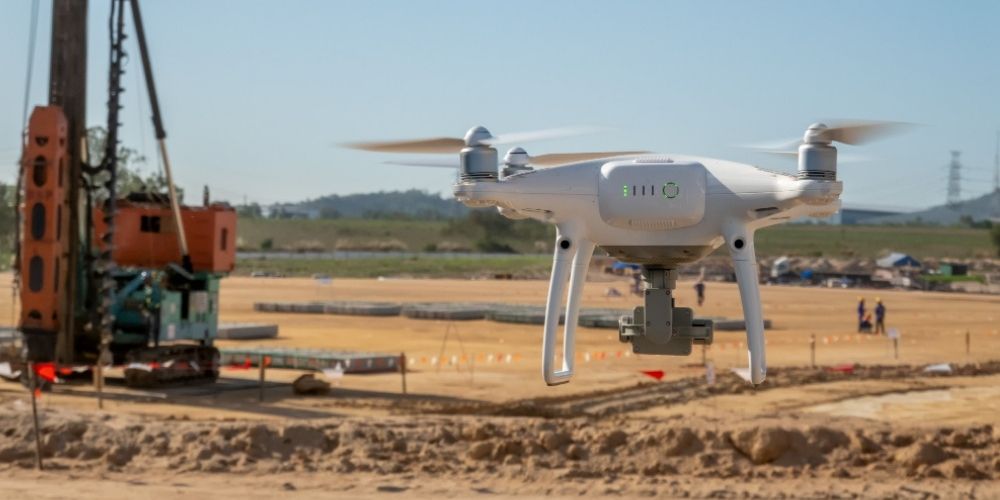
Technology enhances construction efficiency through the use of automation, robotics, and advanced software for design and project management. Building Information Modeling (BIM) allows for precise planning, real-time collaboration, and early detection of design conflicts. Additionally, smart construction tools, such as AI-driven project tracking and drone-based site inspections, improve accuracy and productivity on-site.
What factors influence the cost of constructing an office building?
By incorporating automation and off-site fabrication, modern techniques reduce the dependency on on-site labor, mitigating the impact of labor shortages. Robotics and AI-driven machinery handle repetitive tasks, allowing skilled workers to focus on more complex aspects of construction. Additionally, prefabrication in controlled environments reduces the need for a large on-site workforce while ensuring quality and efficiency.
How do modern construction techniques address labor shortages?
Sustainability in office building construction can be achieved by using energy-efficient HVAC systems, LED lighting, and smart building technologies. Green materials, such as recycled steel, low-VOC paints, and sustainably sourced wood, help reduce environmental impact. Additionally, integrating solar panels, rainwater harvesting, and green roofing can improve energy efficiency and lower long-term operational costs.
Partner with Claris for Your Next Commercial Project!
Choosing the right construction approach is essential for maximizing efficiency, cost savings, and long-term sustainability. Rather than relying on fragmented traditional methods, partnering with an experienced design-build firm ensures a streamlined and collaborative process. Claris specializes in modern, high-quality commercial construction, utilizing advanced techniques to deliver superior results with speed and precision.
With Claris, clients benefit from a single-source solution that integrates both design and construction, eliminating miscommunication and inefficiencies. Our expertise in modern construction techniques ensures that every project is completed on time, within budget, and with the highest level of craftsmanship.
Ready to build smarter and more efficiently? Partner with Claris for expert-driven, cost-effective solutions tailored to your commercial project. Contact us today to get started!