


Commercial architecture is more than just constructing buildings—it is about designing functional, aesthetically appealing, and cost-effective spaces that meet business needs. Finding the right balance between cost efficiency and creative design is a common challenge for companies investing in new buildings or renovations. Claris Design•Build, a leader in commercial architecture, specializes in delivering cost-conscious, high-quality designs that align with business goals.
By leveraging urban planning and design and mixed-use development strategies, Claris ensures that clients achieve innovative and functional spaces while keeping costs under control.
Table of Contents
Cost vs. Creativity Dynamic in Commercial Architecture
How to Maximize Value Without Overs pending
- Proactive Planning to Prevent Budget Overruns
- Sustainable Construction Practices
- Comprehensive Site Evaluation
- Safety and Risk Management
Innovative Design Strategies for Cost-Effective Commercial Spaces
Construction Techniques That Lower Costs Without Sacrificing Quality
Sustainable and Energy-Efficient Designs for Long-Term Savings
Why Choose Claris Design•Build for Your Commercial Architecture Needs?
Partner with Claris Design•Build for High-Quality Commercial Architecture!
Key Takeaways
✔ Engaging a design-build firm like Claris Design•Build early in the planning phase helps establish clear financial expectations, preventing unnecessary costs.
✔ Detailed budgeting and client collaboration ensure financial feasibility while maintaining high-quality commercial architecture.
✔ Implementing lean construction principles helps optimize resources, streamline workflows, and eliminate inefficiencies.
✔ Using high-performance and energy-efficient materials, such as recycled steel and insulated glass, minimizes maintenance and operational expenses.
✔ Combining design and construction services under one roof eliminates miscommunication and keeps projects on schedule and within budget.
✔ Energy-efficient HVAC systems, green building certifications, and smart building technology reduce operational costs over time.
✔ A strong focus on job site safety and risk management ensures efficient project completion without disruptions.
Cost vs. Creativity Dynamic in Commercial Architecture
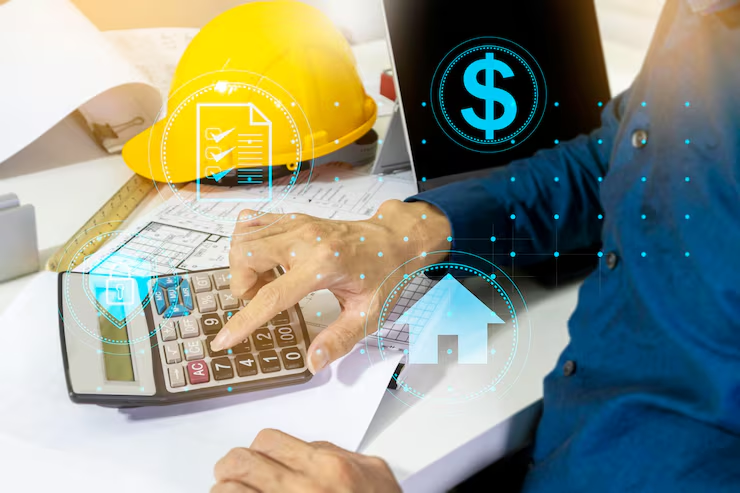
In commercial architecture, achieving a harmonious balance between cost control and creative design is paramount. This equilibrium ensures that projects are not only financially viable but also innovative and functional, meeting the unique needs of businesses.
Why Cost Control Matters in Commercial Construction
Effective cost management is crucial in commercial construction for several reasons:
- Financial Feasibility: Adhering to budget constraints ensures that projects remain viable and do not strain the financial resources of the business.
- Resource Allocation: Efficient cost control allows for optimal allocation of resources, ensuring that funds are directed to critical aspects of the project without unnecessary expenditure.
- Risk Mitigation: By maintaining strict cost oversight, potential financial risks are minimized, safeguarding the project from unforeseen expenses that could derail progress.
How Creativity Enhances Functionality and Aesthetics
Creativity in commercial architecture extends beyond mere aesthetics; it encompasses:
- Functional Innovation: Creative design leads to the development of spaces that enhance operational efficiency, improve workflow, and boost employee productivity.
- Brand Representation: Architectural creativity ensures that the building reflects the company's identity, values, and culture, strengthening brand presence.
- User Experience: Innovative designs contribute to positive experiences for both employees and clients, fostering a welcoming and engaging environment.
How Design-Build Company Achieves Balance
Design-build firms like Claris Design•Build excel in harmonizing cost control with creative design through a comprehensive approach:
- Integrated Design-Build Model: By housing both design and construction teams under one roof, Claris ensures seamless collaboration throughout the project lifecycle. This integration facilitates real-time communication, enabling swift decision-making and alignment between design aspirations and budgetary constraints.
- Expertise in Commercial Architecture: Claris's team possesses specialized knowledge in commercial architecture, allowing them to create designs that are both innovative and cost-effective. Their experience ensures that every project is tailored to meet the specific needs of the client while adhering to financial parameters.
- Value Engineering: Claris employs value engineering practices to assess and determine the most cost-effective materials and construction methods without compromising on quality or design integrity. This approach ensures that clients receive the best value for their investment.
- Lean Construction Techniques: Implementing lean construction principles, Claris focuses on minimizing waste and optimizing processes. This methodology not only reduces costs but also enhances project efficiency and sustainability.
- Sustainable Practices: Claris is committed to integrating sustainable construction practices and technologies, which can lead to long-term cost savings and environmental benefits. Their dedication to sustainability aligns with modern business values and regulatory requirements.
How to Maximize Value Without Overspending
Commercial builders like Claris employ strategic budgeting practices to ensure clients receive maximum value without exceeding their financial constraints. By integrating these strategies, commercial architecture companies effectively balance cost considerations with creative design, delivering projects that meet both financial and aesthetic objectives. Key approaches include:
1. Proactive Planning to Prevent Budget Overruns
- Early Client Engagement: Claris collaborates with clients from the project's conceptual phase, ensuring alignment on financial feasibility and project goals.
- Detailed Budgeting: By developing comprehensive budgets early, Claris sets clear financial expectations and identifies potential cost-saving opportunities.
- Integrated Design-Build Approach: Combining design and construction services under one roof, Claris ensures seamless project execution and cost management.
- Client-Centric Collaboration: Claris emphasizes active client involvement, fostering transparency and alignment with project goals.
2. Sustainable Construction Practices
Claris integrates sustainable construction practices and mixed-use development strategies into projects, proposing renewable energy solutions such as geothermal and photovoltaic systems. By incorporating rebates and energy savings into life-cycle costs, clients achieve a beneficial return on investment.
3. Comprehensive Site Evaluation
Claris offers services in site selection and evaluation, ensuring that the chosen location aligns with project goals and budgetary constraints. This thorough analysis of urban planning and design helps in identifying potential challenges early, allowing for informed decision-making and cost-effective solutions.
4. Safety and Risk Management
With an impressive insurance safety modification rate of 0.98, Claris demonstrates a strong commitment to maintaining a safe working environment. Prioritizing safety reduces the likelihood of costly delays and accidents, contributing to overall project efficiency and cost savings.
Innovative Design Strategies for Cost-Effective Commercial Spaces
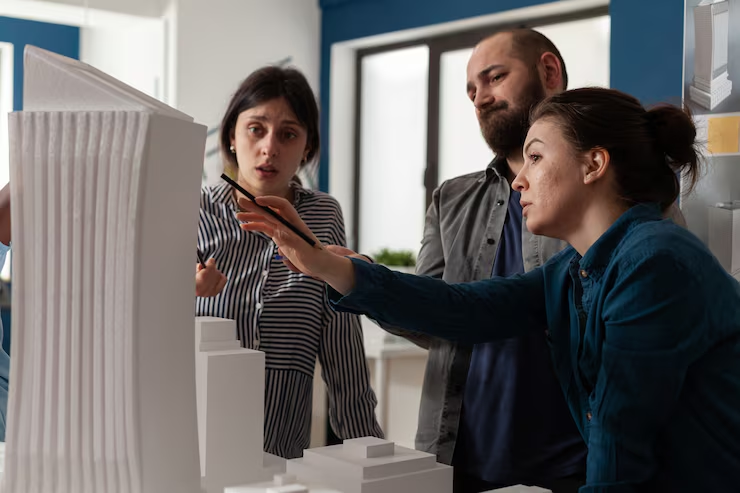
Commercial architecture focuses on delivering cost-effective commercial spaces that align with business needs while maintaining high-quality standards. Their expertise allows them to optimize costs while creating functional and aesthetically appealing structures. Clients looking for innovative strategies can consult Claris to explore tailored solutions for their projects.
1. Strategic Space Planning for Maximum Efficiency
Claris Design•Build works with clients to design efficient commercial spaces that maximize usable square footage. By evaluating workflow requirements and operational needs, Claris ensures that every space is optimized for productivity and long-term functionality.
Key considerations in space planning include:
- Functional Layouts – Thoughtful designs and mixed-use development strategies that enhance efficiency and support business operations.
- Adaptable Spaces – Flexible layouts that allow businesses to evolve without major renovations.
- Optimized Storage Solutions – Smart storage designs that minimize clutter and improve organization.
2. Material Selection for Long-Term Value
Design-build firms prioritize durable and cost-effective materials to reduce long-term maintenance and operational costs. These companies work with clients to identify the best materials suited for their specific needs. Considerations for material selection include:
- High-Performance Finishes – Durable materials that extend the lifespan of commercial spaces.
- Energy-Efficient Options – Material choices that contribute to sustainability and lower operational costs.
- Aesthetic Enhancements – Design elements under urban planning and design that align with a company’s branding and functional needs.
3. Sustainability and Energy Efficiency
Design-build firms like Claris understand the growing demand for sustainable commercial spaces and works with clients to explore environmentally responsible building practices. Businesses interested in energy-efficient solutions such as HVAC optimization, lighting controls, or renewable energy integration can consult Claris for guidance on available options. Potential sustainable considerations include:
- Energy-Efficient HVAC and Lighting – Solutions designed to improve energy use and lower costs.
- Smart Building Features – Technology integrations that enhance operational efficiency.
Claris Design•Build takes a collaborative approach, ensuring that each project meets the client’s budget, functionality, and long-term goals. Businesses seeking cost-effective yet innovative commercial architecture solutions can consult Claris to explore strategies that align with their specific needs.
Construction Techniques That Lower Costs Without Sacrificing Quality
Commercial builders employ a variety of construction techniques aimed at reducing costs while maintaining high-quality standards in commercial interior architecture.
1. Design-Build Company and Cost Efficiency
Design-build companies like Claris utilize a design-build methodology, which offers several advantages over traditional construction approaches:
- Single-Source Responsibility: By serving as both the designer and builder, Claris ensures clear accountability, reducing potential conflicts and miscommunications.
- Streamlined Communication: Integrated teams facilitate seamless collaboration, leading to faster decision-making and issue resolution.
- Predictable Costs: Early involvement in the design phase allows for accurate budgeting and minimizes unexpected expenses during construction.
- Proven Efficiency: In the construction of the Mercedes-Benz dealership in Danbury, CT, Claris Design•Build completed the project five months ahead of schedule, showcasing their ability to deliver complex projects efficiently.
This approach not only enhances efficiency but also ensures that projects are completed on time and within budget.
2. Lean Construction for Greater Efficiency
Implementing lean construction principles, commercial contractors focus on optimizing resources and eliminating waste:
- Efficient Workflow: Streamlined processes reduce delays and improve productivity on-site.
- Waste Minimization: Careful planning and material management decrease excess material usage and disposal costs.
- Continuous Improvement: Regular assessments and feedback loops foster ongoing enhancements in construction practices.
These strategies are particularly beneficial in large-scale institutional and interior architecture projects where resource efficiency is critical.
3. Selecting Durable and Affordable Materials
Design-build firms emphasize the use of materials that are both cost-effective and long-lasting:
- Recycled Steel and Concrete: Utilizing recycled materials lowers costs and supports environmental sustainability.
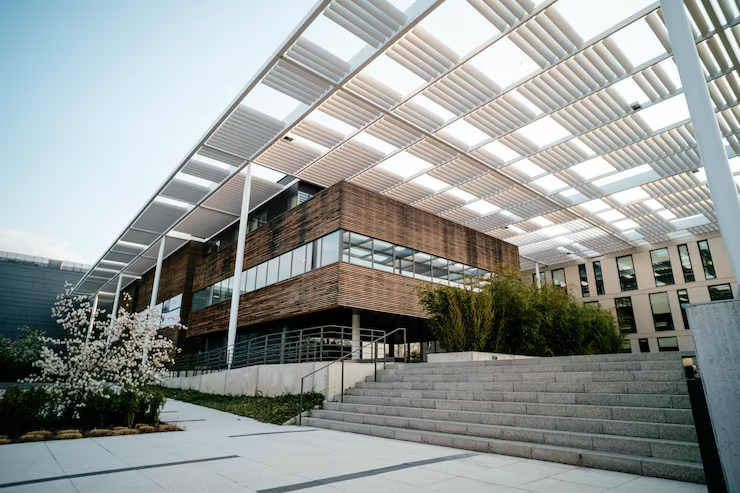
- Energy-Efficient Glass: Incorporating high-performance glass reduces energy consumption in commercial office buildings.
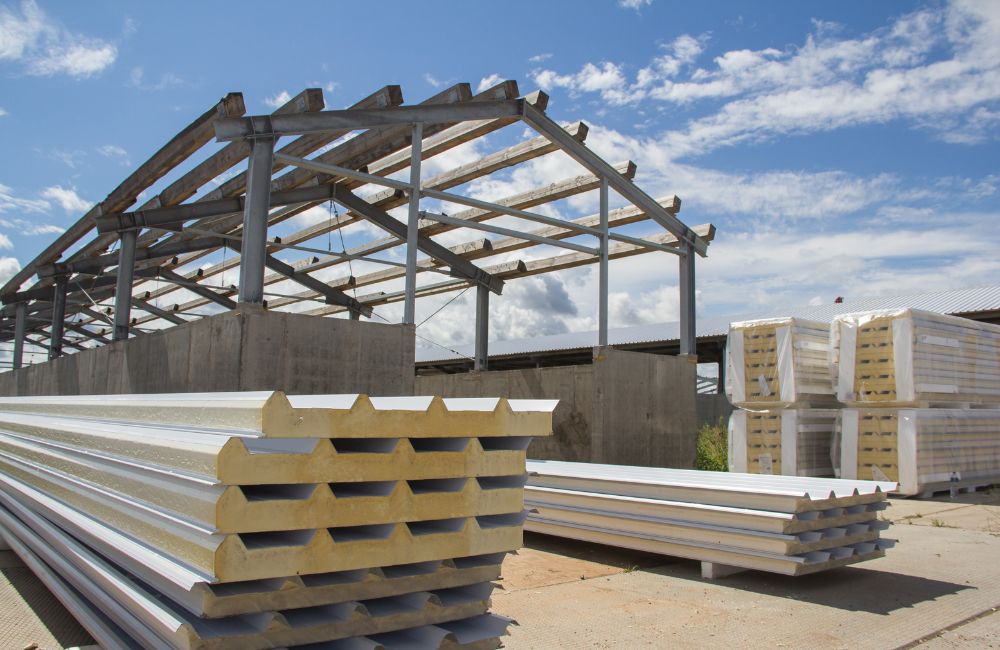
- Pre-Engineered Metal Buildings: These structures offer cost-effective solutions for warehouse needs, combining durability with affordability.
Through these innovative construction techniques, commercial contractors deliver interior architecture projects that meet clients' financial objectives without compromising on quality or functionality. For suitable construction techniques for commercial projects, consult Claris to further discuss their services.
Sustainable and Energy-Efficient Designs for Long-Term Savings
Many design-build firms like Claris Design•Build integrate sustainability and energy efficiency into their interior architecture projects, providing clients with long-term operational savings and environmental benefits.
1. Incorporating Energy-Efficient Features
Commercial builders employ various strategies to enhance energy efficiency in their designs:
- High-Performance Insulation: Utilizing advanced insulation materials for institutional architecture projects to minimize heat transfer, reducing heating and cooling demands.
- Energy-Efficient Lighting: Implementing LED lighting systems and maximizing natural light to decrease electricity consumption.
- Optimized HVAC Systems: Designing heating, ventilation, and air conditioning systems for peak efficiency, ensuring optimal indoor climate control with reduced energy usage.
2. Green Building Certifications and Incentives
Achieving recognized green building standards can offer financial advantages:
- LEED Certification: Claris assists clients in obtaining Leadership in Energy and Environmental Design (LEED) certification, demonstrating a commitment to environmental stewardship.
- Financial Incentives: Certified green buildings may qualify for tax credits, rebates, and other incentives, enhancing the return on investment.
3. Using Sustainable Materials in Commercial Architecture
Claris incorporates eco-friendly materials to promote sustainability:
- Recycled Steel: Utilizing recycled steel reduces environmental impact and supports sustainable construction practices.
- Low-VOC Paints and Adhesives: Employing materials with low volatile organic compound content enhances indoor air quality and occupant health.
- Green Roofing Solutions: Implementing green roofs improves insulation, reduces urban heat island effects, and supports energy efficiency.
These material choices align with Claris's commitment to environmentally responsible design.
By integrating these sustainable and energy-efficient design elements, Claris Design•Build delivers commercial architecture projects that offer long-term savings and contribute positively to the environment.
Why Choose Claris Design•Build for Your Commercial Architecture Needs?
Claris Design•Build stands out in the commercial architecture landscape by offering a comprehensive suite of services tailored to meet diverse client needs. Here's why partnering with Claris is a strategic choice:
1. Proven Track Record in Cost-Effective Commercial Construction
Diverse Portfolio
Its extensive experience ensures that Claris can handle projects of varying complexities and requirements. Claris has successfully delivered projects across various sectors, including:
- Athletic Facilities: Designing and constructing state-of-the-art sports complexes.
- Automotive: Developing functional and aesthetic automotive centers.
- Manufacturing, Distribution, & Warehousing: Creating efficient industrial spaces.
- Veterinary & Medical Offices: Building specialized healthcare facilities.
- Education & Non-Profit: Constructing educational institutions and community centers.
- Office & Retail: Developing versatile commercial spaces.
- Multi-Family: Designing residential complexes.
- Self Storage: Creating storage facilities.
- Hospitality: Building hotels and related establishments.
2. Fully Integrated Design-Build Approach
Seamless Integration
Claris' methodology for institutional architecture projects ensures that projects are executed efficiently, aligning with client expectations. It combines design, engineering, and construction services under one roof, facilitating:
- Efficient Communication: Streamlined interactions between teams lead to faster decision-making.
- Reduced Miscommunication: Unified teams minimize errors and misunderstandings.
- Predictable Costs: Integrated planning helps maintain budget adherence.
- Accelerated Timelines: Concurrent workflows shorten project durations.
3. Commitment to Client Success
Client-Centric Collaboration
Claris emphasizes active client involvement, offering:
- Real-Time Visualizations: Clients can see immediate representations of proposed changes
- Transparent Decision-Making: Open discussions ensure alignment with client visions.
Adaptability and Innovation
The team is dedicated to exploring all possible avenues to realize client aspirations, never settling for a simple "no."
Long-Term Relationships
With over 32 years in the business and a 70% repeat client rate, Claris demonstrates a strong commitment to exceeding client expectations. Claris Design•Build's successful completion of the Mauro Motors Sprinter Van addition led to enhanced client satisfaction, as evidenced by the client's decision to hire Claris after previously working with a different general contractor.
Expertise in Butler Steel Buildings
Specialization in Butler steel buildings allows Claris to provide durable, efficient, and versatile construction solutions.
Frequently Asked Questions
What are the latest trends in commercial architecture design?
Recent trends include the integration of sustainable materials, energy-efficient systems, and biophilic design to enhance indoor environments. Adaptive reuse of existing buildings is gaining popularity as a cost-effective and eco-friendly alternative to new construction. Additionally, smart building technologies and modular construction methods are transforming how commercial spaces are designed and built.
How does commercial architecture impact employee productivity?
Well-designed commercial spaces promote productivity by optimizing natural light, ventilation, and ergonomic layouts to enhance comfort and efficiency. Open-concept layouts encourage collaboration, while quiet zones support focused work. Integrating green spaces and wellness-oriented designs further boosts employee satisfaction and performance.
What role does zoning play in commercial architecture?
Zoning laws regulate land use, building height, density, and property setbacks, directly influencing commercial building design and function. Architects and developers must comply with local zoning codes to ensure projects meet legal and community standards. Understanding zoning restrictions early in the design process helps avoid costly redesigns and permitting delays.
How is technology influencing commercial architecture?
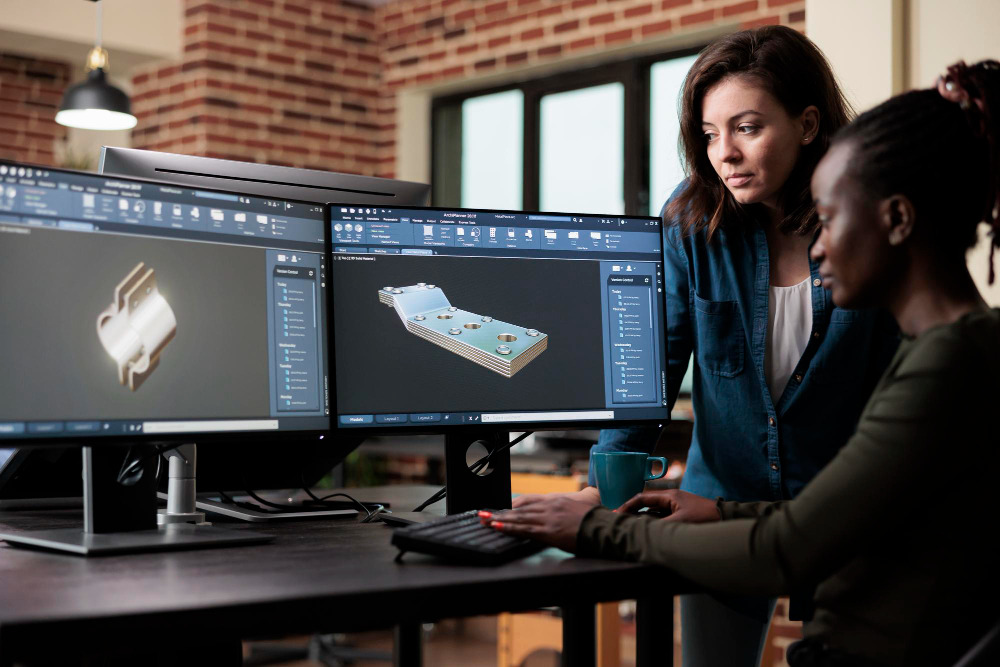
Building Information Modeling (BIM) allows architects and contractors to create detailed digital models, improving accuracy and efficiency in project execution. Smart technology, including IoT-enabled lighting, HVAC, and security systems, enhances building automation and operational cost savings. Virtual reality and augmented reality tools enable clients to experience and modify designs before construction begins.
What are the challenges in renovating historic commercial buildings?
Renovating historic commercial structures requires balancing modern functionality with preserving architectural integrity. Structural limitations, outdated building systems, and compliance with historic preservation regulations can complicate renovations. Careful planning and collaboration with preservation experts help ensure a seamless blend of old and new elements.
Partner with Claris Design•Build for High-Quality Commercial Architecture!

Maximizing value without overspending starts with the right partner. Claris Design•Build specializes in delivering innovative, cost-efficient commercial architecture solutions that meet business needs while maintaining top-tier quality. Whether you're planning a new construction, renovation, or expansion, Claris Design•Build ensures seamless execution through our integrated design-build approach. Our expertise in pre-engineered metal buildings and construction management allows clients to optimize costs without sacrificing quality.
Ready to bring your vision to life? Contact Claris Design•Build today!

![[2025 UPDATE] 44 Construction Safety Statistics for 2025](https://www.clarisdesignbuild.com/wp-content/uploads/2024/03/Construction-Safety.jpg)
![[2025 Updates] Top 15 Benefits of AI in the Construction Industry](https://www.clarisdesignbuild.com/wp-content/uploads/2024/03/pexels-pixabay-256090.jpg)