




Designing a medical office building is a complex process. Unlike standard commercial spaces, healthcare facilities must cater to the needs of patients, medical professionals, and regulatory agencies. Proper planning and execution are crucial to creating a space that enhances workflow efficiency, infection control, and overall patient experience.
Commercial builders and design-build firms ensure a medical office meets these stringent requirements. With expertise in healthcare construction, these professionals help facilities integrate smart technology, optimal layouts, and sustainable materials into their designs.
Here are the six essential medical office building design tips recommended by general contractors and commercial builders to create a functional, patient-friendly, and future-ready facility.
Table of Contents
Key Considerations Before Designing a Medical Office Building
6 Essential Medical Office Building Design Tips from Commercial Builders
- Prioritize Patient Flow and Accessibility
- Optimize Space for Efficiency and Comfort
- Integrate Modern Technology and Smart Systems
- Focus on Infection Control and Hygiene
- Enhance Patient Experience Through Thoughtful Design
- Plan for Future Growth and Compliance
How to Choose the Right Commercial Builder for Medical Office Construction
Partner with Claris Design·Build for Your Next Project!
Key Takeaways
✔ A well-planned layout with clear signage, wide hallways, and logical navigation reduces stress and congestion, ensuring a seamless experience for patients and staff.
✔ Adaptable rooms, ergonomic workstations, and spacious waiting areas enhance patient comfort and staff efficiency, allowing flexibility for different medical specialties.
✔ Secure IT infrastructure, energy-efficient HVAC systems, and touchless technology to improve efficiency, hygiene, and future scalability in medical offices.
✔ Antimicrobial surfaces, advanced ventilation, separate patient pathways, and accessible hygiene stations reduce infection risks and create a safer environment.
✔ Natural light, noise reduction, and private consultation areas promote a calming, professional atmosphere, improving patient satisfaction and retention.
✔ Modular designs, regulatory compliance, and multi-functional spaces support expansion and long-term adaptability in healthcare facilities.
Key Considerations Before Designing a Medical Office Building
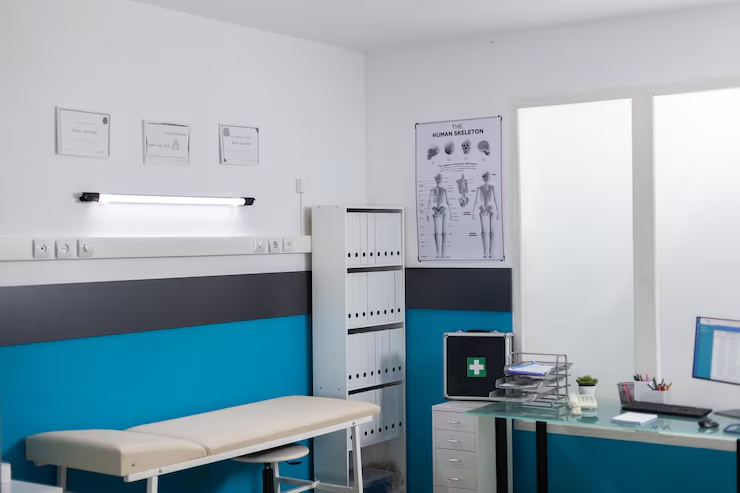
Before diving into the core design elements, reputable commercial contractors like Claris Design·Build must assess several key factors that will impact the overall project success with a construction company.
1. Define the Facility’s Needs and Purpose
Understanding the specific services and functions of the medical office is fundamental. A primary care clinic, for instance, has different spatial and infrastructural requirements compared to a specialized surgical center. Commercial builders like Claris Design·Build emphasize a collaborative approach to identify these unique needs, ensuring the design aligns with the facility's purpose and enhances operational efficiency.
2. Ensure Compliance with Healthcare Regulations
Adherence to healthcare regulations is non-negotiable in medical construction. Design-build firms like Claris Design·Build's in-house architects and engineers are well-versed in:
- Americans with Disabilities Act (ADA): Incorporating wheelchair-accessible entrances, wide doorways, barrier-free restrooms, and compliant signage with braille to ensure seamless navigation for individuals with disabilities.
- Health Insurance Portability and Accountability Act (HIPAA): Designing private consultation rooms with soundproofing, secure electronic health record storage areas, and restricted-access zones to safeguard patient confidentiality.
- State and Local Healthcare Construction Codes: Adhering to fire-resistant materials, advanced HVAC systems for proper ventilation, emergency exits with clear signage, and reinforced structural components to comply with safety and building regulations.
This expertise ensures that facilities not only comply with current regulations but are also adaptable to future changes.
3. Optimize Workflow for Staff and Patients
Efficient workflow design is crucial for minimizing wait times and enhancing patient care. A construction company focuses on logical space planning, ensuring:
- Streamlined Navigation: Thoughtfully designed hallways, clear wayfinding signage, and strategically placed check-in kiosks ensure patients can easily navigate from reception to examination rooms without confusion or delays.
- Functional Layouts: Efficiently organized workspaces, direct access to supply stations, and well-planned staff corridors reduce unnecessary movement, allowing medical professionals to operate smoothly and maximize productivity.
This thoughtful design approach by a reputable construction company contributes to a more efficient and patient-friendly environment.
4. Plan for Smart Technology and Digital Integration
Modern medical facilities require a robust technological infrastructure. Commercial builders like Claris integrate:
- Secure IT Systems: Supporting electronic health records (EHR) and telemedicine capabilities.
- Advanced Data Cabling: Ensuring reliable and fast connectivity.
- Future-Proofing: Designing adaptable spaces that can accommodate emerging technologies.
This ensures that the facility remains at the forefront of medical technology advancements.
5. Prioritize Sustainability and Cost-Efficiency
Incorporating sustainable practices is both environmentally responsible and cost-effective. Claris Design·Build advocates for:
- Energy-Efficient Systems: Implementing lighting and HVAC solutions that reduce energy consumption.
- Renewable Energy Integration: Proposing solutions like geothermal and photovoltaic systems to enhance sustainability.
These initiatives not only lower operational costs but also contribute to a healthier environment.
6 Essential Medical Office Building Design Tips from Commercial Builders
1. Prioritize Patient Flow and Accessibility
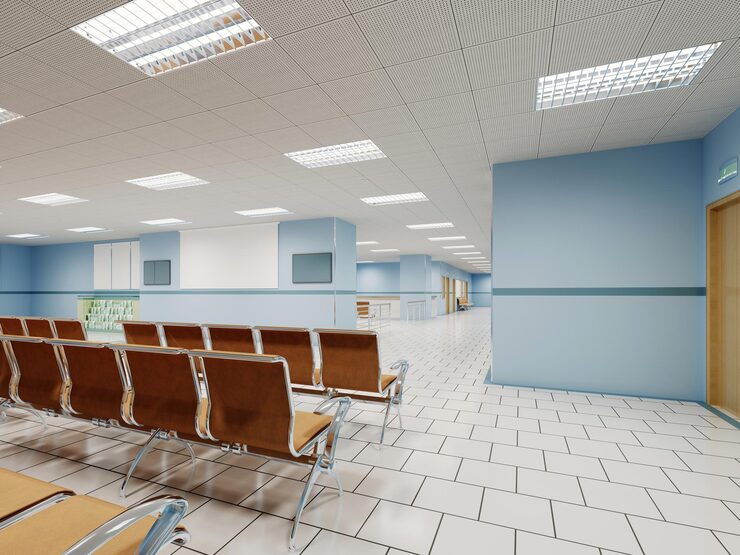
Efficient patient movement within a medical facility is crucial for enhancing the overall experience and operational efficiency. Design-build firms like Claris emphasize strategic design elements to achieve seamless navigation. Key strategies include:
- Strategic Layout Planning: Commercial contractors like Claris collaborate closely with clients to develop layouts that facilitate intuitive movement from reception areas to examination rooms and other essential departments. This thoughtful planning minimizes confusion and enhances the patient journey.
- Incorporation of Clear Wayfinding Signage: To assist patients in easily navigating the facility, commercial builders integrate clear and effective signage throughout their designs. This approach reduces stress and ensures timely arrivals at appointments.
By implementing these strategies, commercial builders like Claris create medical offices that are both patient-friendly and operationally efficient.
2. Optimize Space for Efficiency and Comfort
Balancing functionality with patient comfort is a hallmark of commercial contractors' approach to medical office design. Here are the key strategies they use:
- Customized Space Allocation: General contractors like Claris design medical offices with distinct zones for reception, treatment, and administrative functions, ensuring each area is tailored to its specific purpose while maintaining cohesive accessibility.
- Adaptable Examination Rooms: Recognizing the evolving nature of medical practices, commercial builders design examination rooms that are versatile. This allows for various specialties to utilize the same space efficiently.
- Patient-Centric Waiting Areas: Design-build firms like Claris emphasize the creation of spacious waiting areas equipped with comfortable seating and ample natural light, enhancing the overall patient experience.
- Ergonomic Workstations: Understanding the demands on healthcare professionals, general contractors incorporate ergonomic designs into staff work areas, promoting productivity and well-being.
These design principles ensure that both patients and staff experience a comfortable and efficient environment.
3. Integrate Modern Technology and Smart Systems
Incorporating advanced technology is essential in modern medical facilities. Claris Design·Build ensures that medical offices are equipped with the necessary infrastructure to support current and future technological needs. Key strategies include:
- Robust IT Infrastructure: Commercial builders design facilities with the capacity to support electronic health records (EHR) and telemedicine services, ensuring seamless digital integration.
- Energy-Efficient Systems: Design-build firms like Claris incorporate energy-efficient HVAC and lighting solutions, promoting sustainability and reducing operational costs.
- Hands-Free Technology: To enhance hygiene and convenience, general contractors integrate touchless technologies such as automated doors and sensor-activated fixtures.
By embracing these technological advancements, Claris Design·Build ensures that medical offices are both state-of-the-art and prepared for future developments.
4. Focus on Infection Control and Hygiene
Ensuring a sterile environment is paramount in medical facilities to prevent healthcare-associated infections. Commercial builders like Claris Design·Build emphasize several strategies to enhance infection control and maintain high hygiene standards. Here are some of the key strategies they use:
- Implementation of Antimicrobial Surfaces: Commercial contractors utilize materials such as antimicrobial flooring, countertops, and wall coverings to minimize microbial growth, thereby reducing the risk of infection.
- Advanced Ventilation Systems: To improve indoor air quality, commercial builders incorporate state-of-the-art HVAC systems equipped with HEPA filters and air purification technologies, effectively removing airborne pathogens.
- Designated Patient Flow Paths: General contractors like Claris design facilities with separate entry and exit points for different patient groups, minimizing cross-contamination between infectious and non-infectious individuals.
- Strategically Placed Hand Hygiene Stations: Recognizing the importance of hand hygiene in infection prevention, commercial builders ensure the installation of accessible handwashing stations throughout the facility to encourage regular use by both staff and patients.
By integrating these measures, design-build firms create medical environments that prioritize patient safety and adhere to stringent infection control protocols.
5. Enhance Patient Experience Through Thoughtful Design
A patient's perception of care is significantly influenced by the environment in which they receive it. Claris Design·Build focuses on creating spaces that promote comfort, reduce anxiety, and facilitate healing.
- Soothing Aesthetic Elements: Soft, nature-inspired color palettes, dimmable LED lighting, and biophilic design elements (such as indoor plants or natural textures) create a tranquil environment that helps reduce patient anxiety and promote relaxation.
- Noise Reduction Features: Privacy and tranquility are important in medical offices. Commercial contractors employ soundproofing techniques, such as acoustic panels and soft flooring materials, to minimize ambient noise levels.
- Incorporation of Natural Elements: Recognizing the therapeutic benefits of nature, design-build firms like Claris design spaces with ample natural light and indoor greenery, fostering a connection to the outdoors that can enhance mental well-being.
- Private Consultation Areas: Understanding the need for confidentiality, medical offices need to have dedicated private spaces for patient consultations, ensuring comfort and discretion during sensitive discussions.
Through these thoughtful design choices, commercial builders enhance the overall patient experience, contributing to improved satisfaction and outcomes.
6. Plan for Future Growth and Compliance
The healthcare landscape is continually evolving, necessitating medical facilities that can adapt to changing demands and regulations. Claris Design·Build emphasizes flexibility and foresight in their designs to accommodate future growth and ensure ongoing compliance.
Key strategies include:
- Modular Design Approach: General contractors employ modular construction techniques, allowing for easy expansion or reconfiguration of spaces as healthcare services evolve. Innovations such as modular hospital designs are reshaping medical facilities, offering flexibility and efficiency in construction and operation.
- Proactive Regulatory Adherence: Staying abreast of current and anticipated healthcare regulations, Claris designs facilities that not only meet existing standards but are also prepared for future compliance requirements.
- Flexible Treatment Spaces: By creating multi-functional rooms, commercial builders ensure that treatment areas can be adapted for various medical specialties or procedures, maximizing utility and responsiveness to changing needs.
This strategic planning ensures that medical offices remain relevant, efficient, and compliant, ready to meet future challenges and opportunities.
How to Choose the Right Commercial Builder for Medical Office Construction
Selecting the appropriate commercial builder is a pivotal decision in the successful development of a medical office facility. The complexity of healthcare construction necessitates a builder with specialized expertise, comprehensive services, and a proven track record. Claris Design·Build exemplifies these qualities, offering a seamless integration of design and construction tailored to the unique demands of medical environments.
1. Comprehensive Design-Build Services
Claris operates as a full-service design-build firm, combining architecture, engineering, and construction under one roof. This integrated approach ensures cohesive project execution, from initial concept to completion, minimizing potential conflicts and streamlining communication.
2. Extensive Experience in Medical Office Construction
With a diverse portfolio that includes veterinary and medical office projects, Claris has demonstrated proficiency in delivering healthcare facilities that meet stringent industry standards. Claris Design·Build has successfully transformed a 60,000-square-foot, three-story office building into a modern 40,000-square-foot, two-story medical facility. This project now houses medical offices, a surgery center, and a covered parking garage, showcasing its capability in complex medical construction projects.
3. In-House Design and Engineering Expertise

Claris's team of in-house architects and engineers collaborates closely to create functional, aesthetically pleasing, and code-compliant medical offices. This synergy facilitates innovative solutions tailored to the unique challenges of healthcare construction.
4. Commitment to Sustainability and Energy Efficiency
Recognizing the importance of environmental responsibility, Claris integrates sustainable practices into its projects. They propose renewable energy solutions, such as geothermal and photovoltaic systems, to enhance energy efficiency and provide clients with long-term operational savings.
5. Proven Safety Record
Claris maintains an impressive insurance safety modification rate of 0.98, reflecting its dedication to maintaining a safe working environment. This commitment not only protects workers but also ensures project timelines and budgets remain unaffected by safety-related incidents.
6. Geographical Reach and Accessibility
With offices in Newtown and West Hartford, CT; Charlotte, NC; and Salt Lake City, UT, Claris is well-positioned to serve a broad client base. Their regional presence allows for a deep understanding of local regulations and market dynamics, benefiting clients through tailored solutions.
Frequently Asked Questions
What services do commercial builders typically offer?
Commercial builders typically offer a comprehensive range of services, including project management, design-build solutions, general contracting, preconstruction consulting, cost estimation, and post-construction maintenance. Some firms also provide specialized services such as sustainable building practices and LEED certification guidance. This diverse service offering ensures that clients receive tailored solutions to meet their specific construction needs.
How do I assess the quality and reliability of a commercial builder?
Evaluating the quality and reliability of a commercial builder involves several critical steps. First, reviewing their portfolio of completed projects provides insight into their experience and craftsmanship. Additionally, checking client testimonials and references can offer perspectives on their professionalism and adherence to timelines. Verifying licenses, certifications, and safety records further ensures that the builder meets industry standards and operates responsibly.
What is the typical process for a commercial construction project?
The process for a commercial construction project typically begins with the discovery phase, where the builder gathers the client's vision, goals, needs, and constraints, often providing conceptual sketches to visualize the project. Next is the pre-construction workup, involving detailed investigations of various options and assessing impacts on budget, timelines, and design. This is followed by confirmation and contract, where decisions are finalized, and value engineering is applied to optimize costs without sacrificing quality. Finally, the construction phase commences, with architects, builders, and engineers collaborating closely to bring the project to fruition.
How do commercial builders handle project delays or unforeseen challenges?
Experienced commercial builders proactively address project delays or unforeseen challenges through robust risk management strategies. They maintain open communication with clients, allowing for timely adjustments to project schedules and budgets as necessary. Collaborating with stakeholders to find effective solutions minimizes the impact of such challenges on the overall project.
What role do commercial builders play in obtaining necessary permits and approvals?
Commercial builders play a pivotal role in obtaining necessary permits and approvals for construction projects. They assist clients by preparing and submitting required documentation, coordinating with local authorities, and ensuring compliance with zoning laws, building codes, and other regulatory requirements. This guidance helps streamline the approval process and ensures that all legal obligations are met before construction begins.
Partner with Claris Design·Build for Your Next Project!
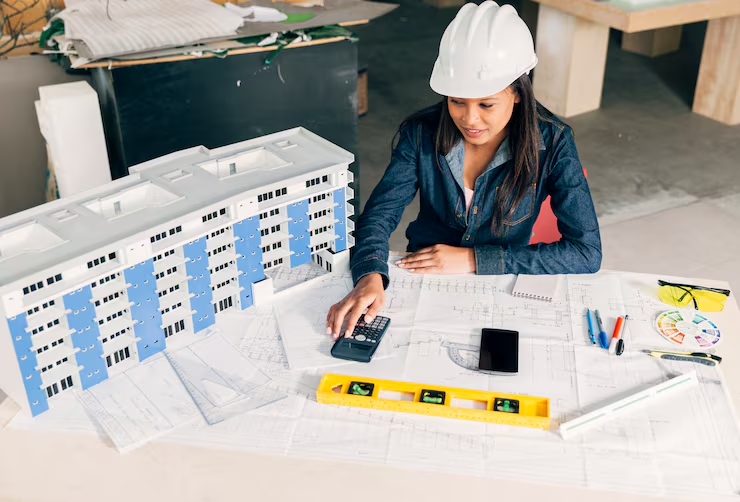
With a diverse portfolio that includes athletic facilities, veterinary and medical offices, hospitality venues, and more, Claris Design·Build has the versatility to bring any vision to life. Our commitment to safety is evidenced by an impressive insurance safety modification rate of 0.98, reflecting our dedication to maintaining a secure working environment. Our integrated design-build approach ensures that projects are completed efficiently, on time, and within budget, all while maintaining the highest standards of quality.
Contact Claris Design·Build today to discover how they can turn your vision into reality!