





The commercial construction industry is shifting toward sustainable building practices to meet modern environmental and economic demands. Developers, business owners, and investors are prioritizing carbon-neutral construction, net-zero energy buildings, and smart building technology to reduce costs, comply with regulations, and enhance property value.
As a design-build company, Claris specializes in creating commercial structures that integrate sustainable building practices without compromising efficiency or aesthetics. Their expertise in energy-efficient construction, high-performance building materials, and green-certified designs positions them as a trusted partner in sustainable commercial development.
Table of Contents
Environmental Imperatives in Commercial Construction
Economic Advantages of Sustainable Commercial Buildings
Regulatory and Certification Drivers for Sustainable Construction
Why Choose the Design-Build Approach in Sustainable Construction?
Ready to Build a Sustainable Commercial Property? Work with Claris Today!
Key Takeaways
✔ Using renewable materials and energy-efficient systems significantly reduces the carbon footprint of commercial buildings.
✔ Advanced insulation, smart building technology, and LED lighting optimize energy use and cut operational costs.
✔ Sustainable construction minimizes material waste by utilizing recycled steel, reclaimed wood, and low-carbon concrete.
✔ Rainwater harvesting, low-flow plumbing fixtures, and smart irrigation systems reduce unnecessary water consumption.
✔ Net-zero energy buildings use solar panels, geothermal energy, and passive design to reduce energy bills.
✔ LEED and Energy Star-certified buildings attract investors, tenants, and buyers willing to pay a premium for sustainability.
✔ Governments offer grants, tax credits, and expedited permitting for businesses investing in carbon-neutral construction.
✔ Companies in sustainable commercial buildings benefit from enhanced brand reputation and long-term cost savings.
Environmental Imperatives in Commercial Construction
Traditional commercial construction methods have long contributed to environmental degradation, from excessive carbon emissions to resource depletion. As businesses and developers seek to reduce their environmental impact, sustainable building practices have emerged as the key to balancing efficiency, cost savings, and regulatory compliance. By adopting carbon-neutral construction, net-zero energy buildings, and smart building technology, companies can future-proof their commercial properties while minimizing their ecological footprint.
Impact of Traditional Construction on the Environment
The commercial construction industry has historically contributed to some of the world’s most pressing environmental challenges. From high carbon emissions to excessive waste, conventional building methods often leave a significant ecological footprint.
- High Carbon Emissions – The production of building materials like concrete and steel is one of the largest contributors to global CO₂ emissions. Cement alone accounts for 8% of global CO₂ emissions, making it a major target for sustainable innovation. Additionally, the transportation of raw materials and heavy machinery used on-site further increases the carbon footprint.
- Energy Waste – Many commercial buildings rely on inefficient designs that waste energy. Poor insulation, outdated HVAC systems, and non-optimized lighting contribute to excessive power consumption. Since most traditional buildings depend on fossil fuels for heating and cooling, this results in higher greenhouse gas emissions and increased operating costs.
- Excessive Water Use – Construction projects require significant water resources for mixing concrete, dust suppression, plumbing installation, and landscaping. In regions facing drought or water scarcity, this demand puts additional pressure on local resources. Traditional cooling towers in commercial buildings also consume thousands of gallons of water annually, leading to further waste.
- Material Waste – The construction and demolition (C&D) sector generates an estimated 600 million tons of waste each year in the U.S. alone. Much of this waste comes from excess drywall, concrete debris, wood scraps, and packaging materials that end up in landfills instead of being recycled. Inefficient planning, over-ordering materials, and demolition processes contribute to this problem.
- Urban Heat Island Effect – Conventional construction materials such as dark asphalt, concrete, and steel absorb and retain heat, significantly increasing temperatures in urban areas. This effect raises cooling costs for commercial buildings and contributes to overall climate change.
How Sustainable Building Practices Reduce Environmental Impact
Adopting sustainable building practices is key to mitigating the environmental harm caused by traditional construction. With innovative design strategies and eco-friendly materials, commercial buildings can significantly reduce their resource consumption, emissions, and waste.
- Energy Efficiency – Energy-efficient building designs use advanced insulation, high-performance glazing, LED lighting, and automated HVAC controls to minimize wasted energy. Integrating smart building technology further enhances efficiency by optimizing lighting, temperature, and ventilation based on real-time occupancy data.
- Use of Renewable Materials – By utilizing recycled and responsibly sourced materials, commercial buildings can cut down on carbon emissions and landfill waste. Sustainable alternatives include:
- Reclaimed Wood – Reduces deforestation and enhances aesthetics.
- Recycled Steel – Requires significantly less energy to produce than virgin steel.
- Bamboo – A rapidly renewable resource with excellent durability.
- Low-Carbon Concrete – Formulated with fly ash or slag to reduce cement-related emissions.
- Water Conservation – Sustainable commercial buildings incorporate rainwater harvesting, greywater recycling systems, and low-flow plumbing fixtures to reduce water waste. Smart irrigation systems also ensure that landscaping water use is optimized, preventing unnecessary consumption.
- Sustainable Site Planning – Proper site selection and design minimize environmental disturbance and enhance building performance. Key strategies include:
- Preserving Natural Landscapes – Avoiding unnecessary deforestation and using native vegetation for landscaping.
- Optimizing Building Orientation – Positioning commercial buildings to maximize natural light and reduce energy consumption.
- Implementing Green Roofs – Reducing heat absorption and enhancing insulation.
- Net-Zero Energy Buildings & Carbon-Neutral Construction – The adoption of net-zero energy buildings is on the rise, aiming to balance energy production with consumption through on-site solar panels, geothermal energy, and energy-efficient systems. Additionally, carbon-neutral construction methods seek to offset emissions by integrating carbon capture technologies and using eco-friendly materials.
Construction firms like Claris integrate energy-efficient systems, high-performance insulation, and environmentally friendly materials into their commercial projects, ensuring compliance with LEED and other green building standards. By adopting sustainable building practices, commercial developers and businesses can significantly reduce their environmental impact while creating high-performing, cost-efficient, and future-proof buildings.
Economic Advantages of Sustainable Commercial Buildings
Beyond environmental benefits, sustainable building practices offer significant financial advantages for commercial developers, investors, and business owners. While the initial costs of green construction may be slightly higher, the long-term economic benefits far outweigh the upfront investment. Lower operational costs, higher property values, and increased market demand make net-zero energy buildings, carbon-neutral construction, and smart building technology key components of a financially sound commercial development strategy.
Lower Operational Costs
One of the strongest financial incentives for sustainable building practices is the potential for long-term cost savings. Energy-efficient systems and eco-friendly materials significantly reduce utility expenses, maintenance costs, and regulatory fines associated with outdated construction methods.
Reduced Utility Bills
Smart building technology optimizes energy use by automatically adjusting lighting, HVAC, and ventilation based on occupancy levels. High-performance insulation and window glazing minimize heating and cooling expenses. Energy-efficient lighting, such as LED fixtures, consumes up to 75% less energy than traditional bulbs.
Lower Maintenance Costs
Sustainable materials like composite wood, metal roofing, and fiber cement siding last longer than traditional alternatives, reducing repair and replacement expenses. Passive house construction techniques enhance building durability by improving structural integrity and reducing temperature fluctuations.
Tax Incentives & Rebates
Many federal, state, and local governments offer grants, rebates, and tax deductions for businesses investing in carbon-neutral construction and net-zero energy buildings. LEED-certified buildings may qualify for property tax reductions and expedited permitting in certain jurisdictions.
Claris helps businesses integrate high-performance materials, energy-efficient lighting, and smart building technology to lower long-term operational costs and maximize ROI.
Increased Property Value & Market Appeal
Sustainable commercial buildings are in high demand among tenants, investors, and buyers who prioritize environmental responsibility, lower energy costs, and healthier work environments.
Higher Lease Rates & Occupancy Rates
Many corporations seek eco-friendly office spaces that align with their Environmental, Social, and Governance (ESG) initiatives. Tenants are willing to pay a premium for buildings that provide better indoor air quality, natural lighting, and lower operating costs. Sustainable features such as energy-efficient HVAC systems, EV charging stations, and on-site renewable energy sources make properties more attractive to long-term tenants.
Better ROI & Resale Value
Sustainable certifications, such as LEED or ENERGY STAR, increase a property’s desirability and may lead to faster sales or lease agreements. Green financing programs, such as low-interest sustainability loans, provide developers with better financial terms compared to conventional real estate loans.
Enhanced Brand Reputation & Competitive Advantage
Businesses housed in carbon-neutral construction projects benefit from positive brand association and increased corporate credibility. Developers showcasing a commitment to sustainable building practices are more likely to secure funding from green investment firms and ESG-focused portfolios.
Long-Term Economic Stability
Investing in sustainable building practices ensures that commercial properties remain resilient to regulatory changes, market trends, and climate-related risks. Developers who incorporate net-zero energy buildings and carbon-neutral construction strategies today can future-proof their investments against rising energy costs and stricter environmental laws.
- Lower Risk of Regulatory Fines – Governments are increasingly enforcing stricter building codes and carbon emissions limits for commercial properties. Sustainable buildings help developers stay ahead of compliance requirements and avoid costly penalties.
- Resilience to Market Fluctuations – As energy prices continue to rise, properties designed for low-energy consumption remain financially stable regardless of market volatility.
- Increased Tenant Retention – Businesses leasing space in sustainably designed offices are more likely to renew leases, reducing vacancy rates and turnover costs.

Regulatory and Certification Drivers for Sustainable Construction
As environmental concerns and energy consumption become critical global issues, governments and regulatory bodies are implementing stricter sustainability mandates. Businesses and commercial developers must comply with evolving building codes while also taking advantage of financial incentives that encourage sustainable building practices.
Government Incentives & Policies
Local, state, and federal programs provide a range of incentives to encourage carbon-neutral construction and the adoption of net-zero energy buildings. These incentives help offset the initial costs of sustainable construction and accelerate the transition to energy-efficient commercial spaces.
LEED Certification Support
Many jurisdictions offer property tax reductions, expedited permitting, and rebates for buildings that achieve Leadership in Energy and Environmental Design (LEED) certification. LEED-certified projects often qualify for low-interest sustainability loans and green bonds, making financing more accessible.
Energy Grants & Renewable Energy Incentives
Businesses investing in net-zero energy buildings can receive federal and state grants for installing solar panels, wind turbines, geothermal systems, and battery storage solutions. Some states provide performance-based incentives, rewarding companies for reducing energy consumption beyond baseline efficiency standards.
Emissions Reduction Requirements & Carbon Credits
Governments are implementing stricter carbon emissions limits for commercial properties, pushing developers toward carbon-neutral construction to avoid penalties. Businesses can benefit from carbon credit programs, allowing them to sell surplus credits if they achieve lower-than-mandated emissions.
Why are Green Building Certifications Important?
Green building certifications serve as third-party validation of a project's commitment to sustainable building practices. These certifications enhance marketability, increase tenant confidence, and provide access to sustainability-driven investment funds. Key certifications include:
LEED (Leadership in Energy and Environmental Design) Certification
This recognizes excellence in energy efficiency, water conservation, indoor air quality, and sustainable materials. Achieving LEED Gold or Platinum status can significantly increase property value and qualify for tax incentives.
Energy Star for Buildings
Awarded to commercial properties that perform in the top 25% of energy efficiency nationwide. This helps businesses reduce energy costs and gain recognition for superior environmental performance.
WELL Building Standard
Focuses on human health and well-being, incorporating air quality, thermal comfort, lighting design, and biophilic elements. It enhances tenant satisfaction and workforce productivity by creating healthier indoor environments.
Net-Zero Energy Building Certification
This recognizes commercial structures that generate as much energy as they consume annually, promoting long-term operational cost savings. It also encourages on-site renewable energy adoption, battery storage systems, and passive house construction techniques.
Commercial builders like Claris integrate sustainable design principles into its commercial projects to help clients achieve LEED, Energy Star, and other green certifications.
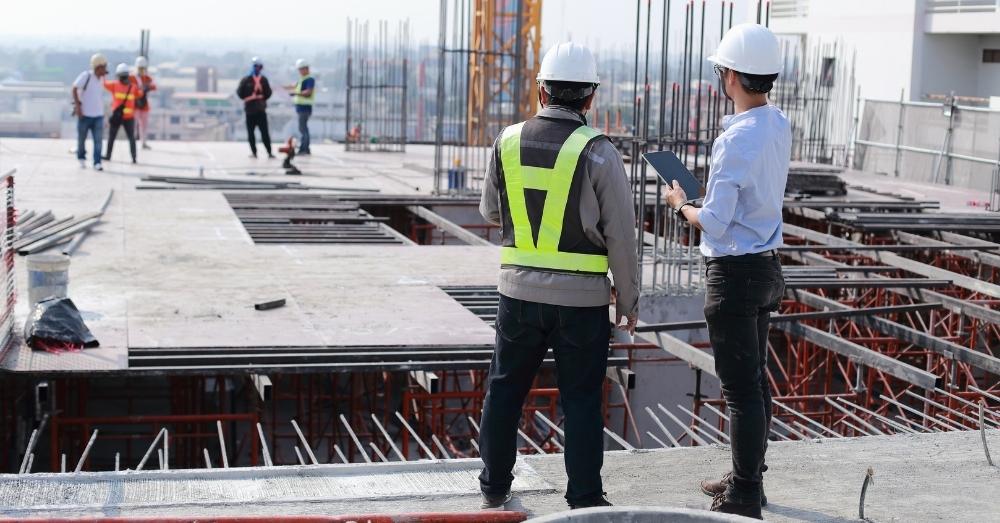
Why Choose the Design-Build Approach in Sustainable Construction?
Traditional project delivery methods, which separate design and construction phases, often result in miscommunication, cost overruns, and inefficiencies when trying to integrate sustainable building practices. A design-build approach, where a single entity manages both the design and construction process, eliminates these challenges by ensuring a seamless, collaborative workflow from concept to completion.
Companies looking to implement carbon-neutral construction, net-zero energy buildings, and smart building technology benefit greatly from a design-build firm that specializes in sustainability. This approach not only reduces risk but also optimizes resource use, lowers costs, and accelerates project timelines.
Integrated Planning & Holistic Design
Sustainability is embedded into every phase, from site selection and material sourcing to energy modeling and waste reduction strategies. A single point of responsibility ensures that energy efficiency, material selection, and green building certifications are aligned with project goals. Real-time collaboration between architects, engineers, and builders prevents costly redesigns and ensures sustainability is built into the foundation of the project.
Faster Timelines & Reduced Project Delays
Traditional project delivery models often lead to delays caused by misalignment between designers, engineers, and contractors while design-build firms eliminate these issues by streamlining communication, fast-tracking approvals, and reducing administrative bottlenecks. The result is a more efficient workflow that keeps the project moving forward without unnecessary delays.
Cost-Effective Solutions & Budget Optimization
A design-build approach ensures that cost-saving strategies are implemented early in the design phase. Material selection, energy-efficient technologies, and waste reduction plans are developed with cost-effectiveness in mind. Smart procurement strategies allow bulk purchasing of eco-friendly materials, high-efficiency HVAC systems, and renewable energy solutions at reduced costs.
Claris specializes in integrated, cost-effective sustainable solutions, ensuring high-quality, energy-efficient commercial spaces. Their collaborative design-build process reduces delays, eliminates waste, and keeps projects within budget. Claris works closely with clients to integrate green building strategies, energy efficiency technologies, and sustainable materials into commercial projects, helping businesses meet LEED and green certification requirements without exceeding their budget.

Frequently Asked Questions
What are the key principles of sustainable building design?
Sustainable building design focuses on energy efficiency, resource conservation, and environmental impact reduction. It integrates passive design strategies, renewable energy sources, and high-performance materials to minimize a building's carbon footprint. Additionally, sustainable designs prioritize occupant health, natural ventilation, and water efficiency.
How does sustainable construction impact indoor air quality?
Sustainable construction improves indoor air quality by reducing volatile organic compounds (VOCs) in paints, adhesives, and finishes. It also incorporates advanced ventilation systems that filter pollutants and provide fresh air circulation. Using non-toxic, mold-resistant materials help prevent respiratory issues and enhance overall occupant well-being.
What is the role of building orientation in sustainable design?
Proper building orientation maximizes natural light, reducing reliance on artificial lighting and lowering energy costs. It also optimizes solar heat gain during winter while minimizing overheating in summer, enhancing indoor comfort. Thoughtful placement of windows, shading devices, and landscaping further improves energy efficiency.
How do green roofs contribute to sustainability?
Green roofs improve insulation, reducing energy consumption for heating and cooling throughout the year. They also manage stormwater runoff by absorbing rainwater and preventing excessive drainage into sewer systems. Additionally, green roofs combat the urban heat island effect by lowering rooftop temperatures and improving air quality.
What is the International Green Construction Code (IgCC)?
The International Green Construction Code (IgCC) is a comprehensive framework that promotes sustainable building practices for commercial and residential developments. It establishes minimum efficiency standards for energy use, water conservation, and indoor environmental quality. The code helps ensure that new constructions meet sustainability goals while maintaining cost-effective and high-performance designs.
g
Ready to Build a Sustainable Commercial Property? Work with Claris Today!
Sustainable building practices are the future of commercial construction, and Claris is the partner you need to bring your vision to life. Claris specializes in designing and constructing energy-efficient commercial buildings, integrating smart building technology, and using eco-friendly materials to create long-lasting, high-performance spaces.
Beyond sustainability, Claris offers a full range of commercial construction services, including pre-construction planning, general contracting, and design-build project management. Our expertise spans industrial facilities, office buildings, medical centers, educational institutions, and retail spaces, ensuring that every project is completed with precision and efficiency.
If you're ready to integrate sustainable building practices into your next project, Claris is here to help. Contact us today to discuss your commercial construction goals and discover how our design-build approach can streamline your project while maximizing sustainability, efficiency, and cost savings!
