



Renewable energy solutions are revolutionizing commercial construction, enabling businesses to cut operational costs, enhance energy efficiency, and improve sustainability.
As environmental concerns grow and regulations tighten, businesses are prioritizing sustainable energy systems to future-proof their buildings.
Design-build firms like Claris specialize in eco-conscious design, ensuring energy-efficient buildings that meet sustainability goals and regulatory requirements. By leveraging green technology in construction, businesses can reduce their carbon footprint while maximizing energy cost savings.
Table of Contents
Solar Power Integration in Commercial Buildings
Energy-Efficient Building Materials
Geothermal Heating and Cooling Systems
Advanced Energy Storage Solutions
Why Choose a Design-Build Firm for Renewable Energy Projects?
Take the Next Step Toward Sustainable Commercial Construction!
Key Takeaways
✔ Commercial buildings benefit from solar power integration through lower electricity costs, reduced carbon emissions, and increased property value. Solar panels offer long-term ROI and can be paired with energy storage solutions for backup power.
✔ Materials like Insulated Metal Panels (IMPs), Low-E windows, and cool roofing significantly reduce heating and cooling demands, lower maintenance costs, and enhance indoor comfort, making energy-efficient buildings more cost-effective and sustainable.
✔ Geothermal systems leverage the Earth’s stable underground temperature to cut HVAC costs by up to 50%, offering long lifespans and an eco-conscious design alternative to fossil fuel-based heating and cooling.
✔ Battery storage and grid-connected systems allow buildings to store surplus energy, ensuring continuous power supply, reducing dependency on fossil fuels, and lowering peak-hour electricity costs for commercial properties.
Solar Power Integration in Commercial Buildings
Solar power integration is one of the most impactful renewable energy solutions in commercial construction, providing versatility, cost savings, and long-term sustainability. With rising energy costs and increasing sustainability regulations, businesses are turning to solar power integration to improve efficiency, reduce operational expenses, and enhance corporate environmental responsibility.
Unlike traditional energy sources, solar energy provides a predictable and stable alternative, protecting businesses from fluctuating utility prices. As solar technology advances, the efficiency of photovoltaic (PV) systems continues to improve, making it more feasible for commercial properties to adopt large-scale sustainable energy systems.
Why Solar Power Works for Commercial Buildings
Commercial properties that integrate solar technology can increase property value and attract environmentally-conscious tenants or investors looking for energy-efficient buildings.
- Energy Cost Reduction – Businesses with large-scale solar systems can generate most of their electricity on-site, minimizing dependence on the grid and reducing peak demand charges.
- Sustainability Compliance – Many cities and states require commercial buildings to meet green technology in construction standards. Solar power supports these initiatives while reducing carbon footprints.
- Long-Term ROI – While the initial installation costs can be high, solar panels typically pay for themselves within 5–10 years and continue to generate energy for decades with minimal maintenance.
- Backup Power Capabilities – When paired with advanced energy storage solutions, solar systems can provide backup power, ensuring business continuity during grid outages.
How Solar Power is Used in Commercial Construction
Solar technology can be incorporated into commercial projects in multiple ways, each offering unique benefits depending on the available space and energy requirements.
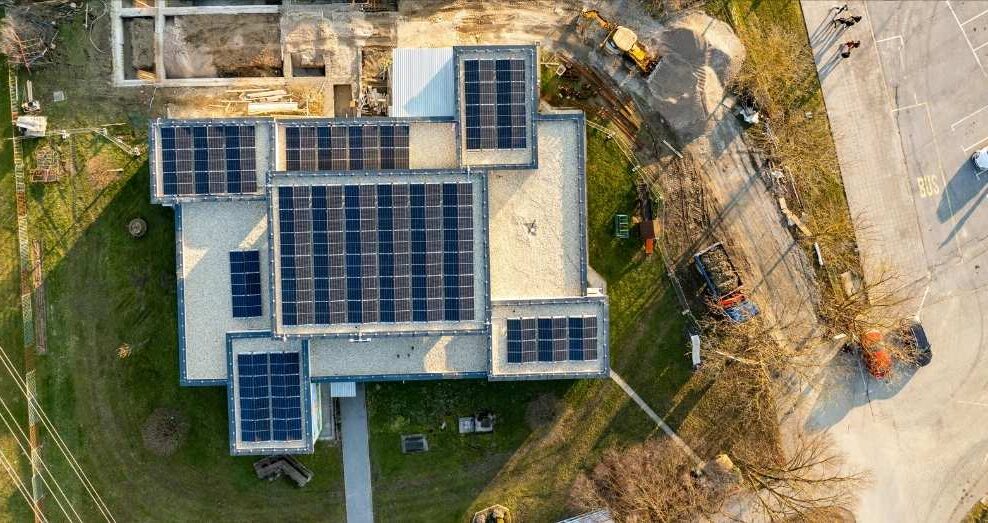
- Rooftop Solar Panels – Traditional solar panel installations utilize unused roof space to generate electricity without affecting building functionality.
- Building-Integrated Photovoltaics (BIPV) – A more innovative approach where solar panels are embedded into the structure itself, such as within facades, glass windows, or roofing materials. This method enhances aesthetics while maintaining high energy efficiency.
- Solar Parking Structures – Carports and parking lots can be fitted with solar panels, generating power while providing shade and weather protection for vehicles.
- Ground-Mounted Solar Arrays – For businesses with available land, large-scale solar farms can be installed to maximize energy production.
Claris specializes in energy-efficient buildings, helping businesses integrate solar power and eco-conscious design solutions tailored to their commercial energy needs.
Energy-Efficient Building Materials
The choice of building materials has a direct impact on energy consumption, operational costs, and overall building performance. In energy-efficient buildings, high-performance materials help reduce heat loss, improve insulation, and enhance temperature regulation, ultimately lowering heating and cooling costs.
Sustainable construction offers cost-effective, energy-efficient building solutions that lower living expenses and enhance community inclusivity. As sustainable construction practices evolve, more businesses are prioritizing eco-conscious design to meet regulatory standards and environmental goals. Using green technology in construction, such as advanced insulation and sustainable materials, commercial buildings can achieve higher energy efficiency ratings while maintaining durability and structural integrity.
Why Energy-Efficient Materials Matter in Commercial Construction
- Reduces HVAC Load – Buildings with superior insulation require less energy for heating and cooling.
- Improves Indoor Comfort – Helps maintain consistent temperatures year-round, reducing hot and cold spots.
- Lowers Long-Term Maintenance Costs – High-performance materials reduce wear and tear on HVAC systems.
- Enhances Sustainability – Reduces reliance on non-renewable materials and minimizes carbon footprint.
Key Materials for Energy Efficiency
1. Insulated Metal Panels (IMPs)
IMPs are a popular choice in commercial construction due to their high thermal resistance and durability. These prefabricated panels combine insulation with exterior cladding, reducing air leaks and thermal bridging, which significantly lowers heating and cooling demands.
- Lightweight yet durable – Reduces structural load while maintaining energy efficiency.
- Sealed and weather-resistant – Prevents moisture infiltration, improving building longevity.
- Fast installation – Prefabrication speeds up construction timelines, reducing labor costs.
2. Low-E (Low Emissivity) Windows
Windows are one of the largest sources of heat transfer in commercial buildings. Low-E glass windows feature a thin, transparent coating that reflects infrared heat while allowing natural light to pass through.
- Minimizes solar heat gain – Reduces cooling costs during warm months.
- Retains indoor heat – Improves thermal efficiency in winter, reducing reliance on heating systems.
- Reduces UV exposure – Protects interior furnishings from fading due to sunlight.
3. Cool Roofing Materials
Traditional dark-colored roofing materials absorb heat, increasing indoor temperatures and raising cooling costs. Cool roofs, on the other hand, are designed to reflect more sunlight and emit heat more efficiently than standard roofs.
- Reduces roof surface temperature – Helps maintain a cooler indoor environment.
- Increases roof lifespan – Less thermal stress prevents premature wear and tear.
- Enhances energy savings – Lowers air conditioning demand, reducing peak energy loads.
4. Recycled and Sustainable Concrete
Concrete is a staple in commercial construction, but traditional concrete production generates significant carbon emissions. Sustainable alternatives, such as recycled aggregate concrete and low-carbon cement, offer a greener solution without compromising strength or durability.
- Incorporates industrial byproducts – Uses fly ash or slag cement, reducing reliance on virgin materials.
- Reduces embodied carbon – Cuts down CO₂ emissions associated with cement production.
- Improves thermal mass – Regulates indoor temperatures by storing and slowly releasing heat.
5. Recycled Steel
Using recycled steel minimizes the demand for new production, helping to conserve natural resources and reduce energy consumption.
- Lowers manufacturing emissions – Reduces the energy-intensive process of producing new steel.
- Maintains structural integrity – Offers the same durability and strength as newly produced steel.
- Supports circular economy – Encourages reusability and waste reduction in construction projects.
By incorporating green technology in construction, Claris helps businesses reduce long-term energy costs while improving overall building performance. Whether it’s using IMPs for insulation, Low-E glass for temperature regulation, or sustainable concrete for reduced carbon impact, Claris ensures that commercial projects align with sustainable energy systems.
Geothermal Heating and Cooling Systems
Unlike conventional HVAC systems that rely on electricity or fossil fuels, geothermal systems utilize the Earth’s constant underground temperature to regulate indoor climate, making them a highly efficient and environmentally friendly alternative. Geothermal energy provides consistent heating and cooling year-round, making it an excellent option for commercial buildings that require stable indoor temperatures.
How Geothermal Systems Work
Geothermal heating and cooling systems leverage the Earth’s natural thermal energy to regulate indoor temperatures efficiently. These systems rely on a ground-source heat pump (GSHP) connected to a network of underground pipes filled with a heat-transferring liquid.
- During Summer – The system extracts excess indoor heat and transfers it underground, where the cooler temperatures absorb it. This keeps the building cool without excessive reliance on air conditioning.
- During Winter – The system draws stored underground heat into the building, distributing it through radiant floor heating, forced air systems, or water-based heating.
- Consistent Year-Round Performance – Unlike traditional HVAC units that experience fluctuations in efficiency, geothermal systems remain stable, as ground temperatures stay between 50–60°F year-round, regardless of seasonal weather changes.
Benefits of Geothermal Energy in Commercial Construction
Geothermal systems are widely recognized for their ability to significantly enhance a building’s energy efficiency, making them an essential component of green technology in construction.
- Substantial Energy Cost Savings – Geothermal heating and cooling systems use up to 50% less energy than conventional HVAC systems, dramatically reducing electricity costs for commercial properties.
- Minimal Maintenance and Long Lifespan – Unlike traditional furnaces or air conditioning units, geothermal systems have fewer moving parts, reducing wear and tear. The underground components can last 50+ years, while the heat pump typically lasts 20–25 years, requiring minimal upkeep.
- Eco-Friendly and Carbon-Reducing – By eliminating the need for fossil fuel-based heating, geothermal systems reduce greenhouse gas emissions, supporting businesses that prioritize eco-conscious design and sustainable energy systems.
- Quiet and Non-Intrusive Operation – Unlike loud outdoor condensers found in traditional HVAC systems, geothermal systems operate quietly, with most of the system components located underground.
- Consistent Indoor Comfort – The system eliminates sudden temperature fluctuations by providing steady heating and cooling, improving indoor air quality and overall occupant comfort.
Although Claris does not directly install geothermal systems, their expertise in eco-conscious design ensures that commercial projects are optimized to support such systems. By designing buildings with green technology in construction, Claris creates energy-efficient structures that can accommodate renewable energy solutions such as geothermal heating and cooling.
Commercial clients interested in integrating sustainable energy systems can consult Claris to ensure their construction projects meet energy efficiency requirements and are future-ready for geothermal implementation.
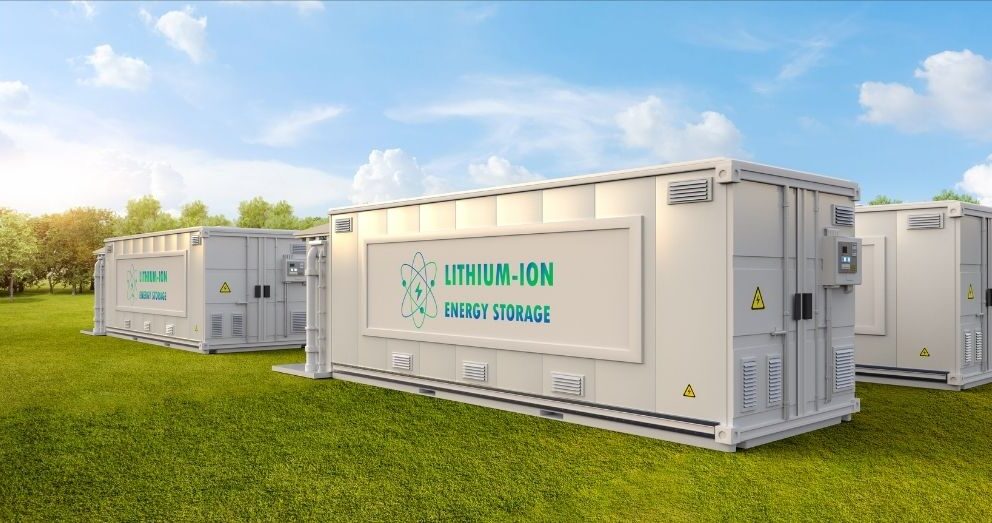
Advanced Energy Storage Solutions
The success of renewable energy solutions in commercial construction is highly dependent on efficient energy storage systems. As more commercial buildings incorporate sustainable energy systems, energy storage has become a critical factor in optimizing energy independence, reducing costs, and improving overall system efficiency. A well-designed storage system ensures that clean energy is available 24/7, even when solar panels or wind turbines are not actively generating power.
Types of Energy Storage Systems
There are several energy storage solutions available for commercial properties, each offering unique benefits depending on the size of the facility, energy needs, and renewable energy setup.
1. Battery Storage
Battery energy storage systems (BESS) allow commercial buildings to store excess energy generated by solar power integration or other renewable energy solutions. These batteries capture surplus electricity during peak production hours and release it when needed, such as at night or during cloudy days.
- Lithium-Ion Batteries – The most common and widely used commercial storage option due to high efficiency, long lifespan, and fast charging capabilities.
- Flow Batteries – Suited for large-scale commercial applications, offering longer discharge times and extended durability compared to lithium-ion batteries.
- Solid-State Batteries – A next-generation storage technology known for higher energy density, improved safety, and faster charging capabilities.
Advantages of Battery Storage:
- Reduces energy waste – Captures and uses excess renewable energy that would otherwise go unused.
- Improves energy security – Provides backup power during outages or grid failures.
- Enhances demand-side management – Allows businesses to store energy when electricity prices are low and use it when rates are high.
2. Grid-Connected Energy Storage Systems
Grid-connected systems work alongside renewable energy solutions by allowing buildings to feed excess electricity back into the utility grid. These systems are essential for commercial buildings that generate more energy than they consume, helping to create a more balanced and efficient energy ecosystem.
- Net Metering Programs – Businesses can sell surplus electricity back to the grid, receiving credits on their utility bills.
- Grid Stabilization – Helps improve overall grid reliability by reducing energy fluctuations caused by inconsistent renewable energy generation.
- Hybrid Grid + Battery Storage – Some buildings integrate both grid connectivity and battery storage to maximize energy efficiency while maintaining a backup power supply.
Benefits of Grid-Connected Storage:
- Increases energy savings – Earns credits from excess energy fed back to the grid.
- Supports sustainable energy goals – Reduces dependency on non-renewable grid electricity.
- Enhances power reliability – Helps stabilize the grid while maintaining self-sufficiency.
While Claris does not directly install energy storage systems, their expertise in green technology in construction ensures that commercial buildings are designed and optimized for seamless energy-efficient integration. Businesses looking to incorporate advanced energy storage solutions can consult Claris to determine the best approach for incorporating sustainable energy systems into their commercial projects.
Why Choose a Design-Build Firm for Renewable Energy Projects?
Integrating sustainable energy systems into commercial construction is a complex process that requires expertise in design, engineering, and execution. Working with a design-build firm eliminates the common inefficiencies of traditional construction methods, where different contractors and architects work separately.
1. Integrated Project Management
A design-build firm combines design, engineering, and construction under one contract, ensuring collaboration across all project phases. By handling the entire project from start to finish, a design-build firm ensures that renewable energy solutions are considered from the initial planning phase, rather than being added as an afterthought.
- One Point of Contact – Clients work with a single team, simplifying communication and decision-making.
- Faster Project Delivery – Eliminates the delays caused by separate design and construction teams.
- Budget Control – The design-build approach minimizes unexpected costs by addressing potential issues early in the process.
2. Tailored Renewable Energy Strategies
Every commercial building has unique energy demands, requiring customized solutions that align with business goals. With renewable energy integration, a one-size-fits-all approach does not work. A design-build firm ensures that energy strategies are tailored to a business’s operational needs, making the investment more valuable in the long run.
- Site-Specific Energy Planning – Evaluate factors like solar exposure, climate, and building orientation to optimize solar power integration.
- Technology Selection – Identifies the most suitable renewable energy solutions, such as battery storage, geothermal heating, or high-efficiency insulation.
- Scalability & Future Expansion – Designs buildings to accommodate future energy upgrades, ensuring adaptability to emerging green technologies.
3. Ensures Compliance with Energy Efficiency Standards
Navigating local and federal energy codes can be challenging, especially as green building regulations continue to evolve. A design-build firm ensures that commercial projects comply with sustainability mandates, energy efficiency standards, and renewable energy incentives.
- Adherence to LEED & Energy Star Certifications – Ensures that buildings meet industry-recognized sustainability benchmarks.
- Compliance with State & Federal Building Codes – Avoids costly redesigns and delays due to non-compliance.
- Maximizing Incentives & Tax Credits – Helps businesses qualify for renewable energy rebates and incentives offered by government agencies.
Frequently Asked Questions
What are the key considerations for installing rooftop solar panels on commercial buildings?
Commercial buildings must assess roof condition, structural integrity, and weight capacity before installing solar panels. Factors such as roof orientation, shading, and available space impact energy production efficiency. A thorough site analysis and engineering review are essential to ensure a successful solar installation.
How can commercial buildings integrate wind energy into their energy mix?
Businesses can install small-scale wind turbines on-site if local wind resources and zoning regulations permit. Alternatively, they can participate in off-site wind energy programs to source clean power through utility providers. Proper feasibility studies are needed to determine cost-effectiveness and power generation potential for commercial properties.
What financial incentives are available for commercial buildings adopting renewable energy?
Many commercial properties qualify for federal tax credits, state-level rebates, and grant programs that reduce installation costs. Additionally, some utilities offer net metering programs that allow businesses to sell excess renewable energy back to the grid. Researching available incentives and financing options can significantly lower upfront investment.
How does integrating renewable energy impact the value of commercial real estate?
Commercial properties with solar, wind, or geothermal energy systems often have higher market value and tenant demand due to lower operational costs. Energy-efficient buildings attract environmentally conscious businesses looking to meet sustainability goals. Additionally, renewable energy upgrades enhance long-term asset appreciation and compliance with evolving green regulations.
What are the challenges of implementing on-site renewable energy and storage in commercial buildings?
High upfront costs, permitting requirements, and space constraints can make renewable energy integration complex for commercial properties. Additionally, integrating new systems with existing electrical infrastructure may require upgrades and professional engineering support. Overcoming these challenges often involves financial planning, regulatory compliance, and expert consultation.

Take the Next Step Toward Sustainable Commercial Construction!
Incorporating renewable energy solutions into commercial buildings is a smart investment for long-term cost savings, energy efficiency, and environmental responsibility. Claris specializes in constructing high-performance, energy-efficient buildings that align with your business’s sustainability goals.
We also go beyond eco-conscious design, offering expertise in industrial facilities, commercial office developments, warehouse and distribution centers, and healthcare facility construction. Our turnkey approach streamlines everything from planning to execution, ensuring that your project meets the highest standards in green technology in construction.
If you’re ready to future-proof your commercial property, consult Claris today to explore the best renewable energy strategies and sustainable building solutions for your business. Contact our team to start designing a cost-efficient, environmentally friendly-commercial space that works for you!
