



What's in This Guide
- What Is Safety Management in Construction?
- What Is the Primary Goal of a Safety Management System?
- Steps to Implement a Safety Management System in Construction
- What Are the Core Elements of Safety Management?
- What Are the Common Challenges in Implementing an SMS?
- Frequently Asked Questions
- Partner With Claris Design•Build to Strengthen Safety and Project Performance!
Quick Facts
✔ Safety management in construction is a proactive system designed to prevent accidents, protect workers, and ensure compliance through organized processes and communication.
✔ The primary goal of a Safety Management System is to create a culture that identifies and manages risks before incidents occur.
✔ Implementing an SMS involves planning, identifying hazards, setting clear policies, providing training, and continuously improving performance.
✔ The core elements of safety management focus on people, places, PPE, and personal accountability to maintain a strong safety culture.
✔ Common challenges in implementing an SMS include inconsistent leadership, limited training, and difficulty maintaining long-term safety focus.
Safety is the backbone of every successful construction project. A well-organized worksite not only protects workers but also keeps projects on schedule and within budget. That’s where a Safety Management System (SMS) comes in. Implementing one allows companies to prevent accidents before they happen instead of reacting afterward.
In simple terms, safety management in construction is about planning, communication, and continuous improvement. It creates a structure where safety is not just a rule—it’s part of the company’s culture. For design-build firms and professionals such as a Utah architect, adopting a strong safety framework helps ensure that every phase of construction, from design to completion, stays efficient and compliant.
Here’s a practical breakdown of how to implement a Safety Management System in construction and make safety an everyday priority on the job site.
What Is Safety Management in Construction?
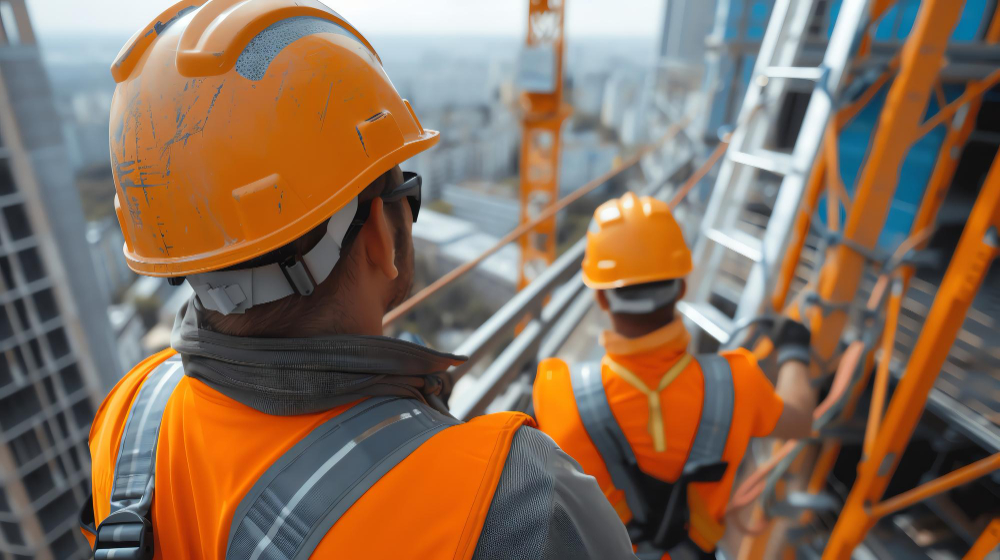
Understanding what is safety management in construction means seeing it as more than just a set of safety rules. It’s a proactive system designed to prevent accidents by identifying risks, setting safety standards, and making sure everyone on-site follows them.
A Safety Management System (SMS) connects people, processes, and technology to reduce hazards and protect workers, property, and schedules. In commercial projects involving general contractors and design teams, it keeps everyone organized and accountable.
When done right, construction safety management lowers incident rates, improves morale, and ensures compliance with OSHA and state regulations—showing a company’s true commitment to safety and quality.
What Is the Primary Goal of a Safety Management System?
The main goal of a Safety Management System (SMS) is to build a proactive culture that prevents accidents before they happen. Rather than reacting to incidents, it focuses on continuous risk identification, control, and improvement to keep every worker safe and every project running smoothly.
Recent data shows the urgency of effective safety management in construction—in 2023, the construction industry recorded 1,075 fatalities, the highest number since 2011. This highlights why a strong SMS is not optional but essential.
Key goals of an effective SMS include:
- Preventing accidents and injuries through ongoing risk management and awareness.
- Promoting accountability, ensuring everyone—from managers to field workers—understands their safety role.
- Improving productivity by minimizing downtime and disruptions caused by unsafe conditions.
- Maintaining compliance with safety regulations and industry best practices.
A strong SMS doesn’t just reduce risk—it builds confidence and consistency across every level of a project. In commercial construction, this leads to fewer delays, lower insurance costs, and a reputation for reliability that sets successful companies apart.
Steps to Implement a Safety Management System in Construction
Implementing a Safety Management System (SMS) is both a safety and productivity strategy. Workplaces with strong safety programs see 17% higher productivity, showing that prevention leads to performance.
Here are the key steps to build an effective safety system in construction.
Plan and Set the Foundation
Building an effective SMS starts with a clear plan. Companies must define safety goals like lowering incident rates or meeting regulations. Leadership drives a safety-focused culture by dedicating time and resources. Involving project planners, engineers, and a Utah architect early helps design safety into the project from the start, reducing risks before construction begins.
Identify Hazards and Assess Risks
After laying the foundation, the next step in construction safety management is identifying and evaluating on-site risks. A safety assessment helps spot hazards in equipment, layout, or workflow. Using a risk matrix helps prioritize dangers, and this process should continue as the project evolves. Involving employees in hazard identification improves accuracy and prevention.
Develop Policies and Procedures
Strong policies and procedures are the backbone of safety management in construction. These documents outline the company’s safety commitment and team responsibilities. Policies should include SOPs for high-risk work, emergency response plans, and reporting protocols that meet OSHA and local requirements. Regular updates ensure accountability and consistent safety practices.
Provide Training and Communication
Training keeps everyone informed and safe. Each worker must understand safety rules, job-specific hazards, and emergency procedures. Ongoing training, toolbox talks, and open communication—like meetings or hotlines—encourage hazard reporting without fear. Clear communication strengthens safety management in construction and promotes a proactive, trust-based safety culture.
Monitor and Improve Continuously
A Safety Management System must evolve with each project. Regular audits, inspections, and reviews reveal what works and what needs improvement. Tracking both leading and lagging indicators, such as training sessions and incident rates, keeps performance visible. Many firms use the Plan-Do-Check-Act (PDCA) cycle to maintain effective construction safety management and ensure constant improvement.
Claris Design•Build demonstrates this commitment through its outstanding safety performance. Claris’ Insurance Safety Modification rate is 0.98, one of the best in the industry, reflecting a deep dedication to proactive risk management and safe construction practices.
What Are the Core Elements of Safety Management?
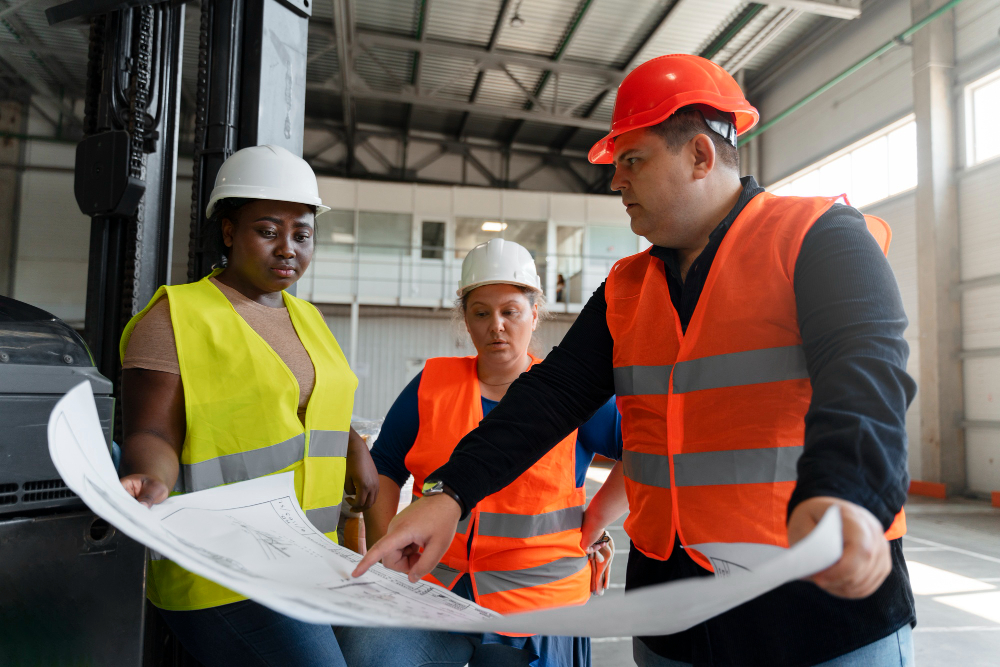
The core elements of safety management in construction can be summed up as the four P’s—People, Places, PPE, and Personal Accountability. These principles focus on protecting workers by promoting awareness, maintaining safe environments, using proper protective equipment, and encouraging responsibility for individual and team safety. Together, they create a strong foundation for a proactive safety culture on every construction site.
What Are the Common Challenges in Implementing an SMS?
Implementing a Safety Management System (SMS) can be difficult in fast-paced construction settings. Common issues like weak leadership, inconsistent training, and limited communication can reduce the system’s effectiveness. Understanding these challenges helps strengthen safety management in construction across all projects.
Lack of Leadership Engagement
When leaders don’t actively promote safety, teams are less likely to follow procedures. Consistent involvement from management keeps safety a daily priority.
Inconsistent Training and Communication
Gaps in training or unclear messaging lead to confusion. Regular meetings, toolbox talks, and clear documentation support strong construction safety management.
Resistance to Change
Workers may resist new systems at first. Encouraging feedback and showing the benefits of an SMS helps increase acceptance.
Poor Documentation
Incomplete or outdated records weaken safety programs. Using digital tools simplifies tracking and reporting.
Maintaining Long-Term Focus
Tight deadlines often push safety aside. Leadership must reinforce that safety is non-negotiable. For complex commercial projects involving a Utah architect, technology helps teams stay informed and accountable.
Frequently Asked Questions
How long does it take to implement a Safety Management System in construction?
The timeline depends on the company’s size, project scope, and existing safety practices. Small teams may take a few months, while larger organizations could need a year or more. The key is to focus on gradual, consistent implementation rather than rushing the process.
Who is responsible for managing a Safety Management System?
Everyone has a role in maintaining safety, but leadership sets the standard. Supervisors oversee daily compliance, while safety officers monitor performance and training. Workers also share responsibility by following procedures and reporting hazards.
What tools or technology can support safety management in construction?
Digital tools such as mobile safety apps, inspection software, and online training platforms make safety easier to track and manage. They help record incidents, share updates instantly, and improve communication between teams. This technology ensures consistent compliance across worksites.
How often should safety training be conducted?
Safety training should happen regularly, not just during onboarding. Refresher sessions every few months keep workers updated on policies and potential risks. Additional training is also important when new equipment or procedures are introduced.
How can smaller construction firms develop an effective SMS?
Smaller companies can start by documenting basic policies, identifying key risks, and setting clear responsibilities. They can use affordable digital tools or templates to track performance. Even a simplified system can make a big impact on reducing jobsite incidents.
Partner With Claris Design•Build to Strengthen Safety and Project Performance!
Strong safety management is the foundation of every successful commercial build. Claris Design•Build combines design expertise, construction management, and proven safety systems to ensure each project meets the highest standards of quality and compliance. With a proactive approach and a record of excellence, our team delivers safer, smarter, and more efficient outcomes for every client.
Connect with Claris Design•Build today to discuss upcoming commercial construction projects.
