




Construction safety is a top priority for commercial projects. Effective safety management in construction not only prevents workplace injuries but also ensures compliance with Occupational Health and Safety (OHS) regulations, reduces project delays and minimizes liability risks. Without proper construction site safety measures, companies face costly accidents, legal repercussions, and project disruptions.
As a leading design-build firm, Claris Design•Build prioritizes workplace safety in construction at every phase. Their structured construction risk management approach integrates safety planning, compliance monitoring, and cutting-edge technology to create safer job sites and ensure long-term project success.
Table of Contents
Why Safety Management in Construction Matters
8 Key Strategies to Reduce Workplace Injuries
- Implementing Comprehensive Safety Training
- Utilize Personal Protective Equipment (PPE)
- Develop a Construction Risk Management Plan
- Establish Clear Safety Policies and Procedures
- Leverage Technology for Safer Construction
- Maintain a Clean and Organized Worksite
- Conduct Regular Safety Audits
- Create a Safety-First Culture
Why Work with a Trusted Design-Build Firm
Ensure Safety and Efficiency with Claris Design•Build!
Key Takeaways
✔ Comprehensive safety training ensures workers understand and follow job-specific safety protocols.
✔ Proper personal protective equipment (PPE) reduces the risk of injuries and should be consistently used and inspected.
✔ A structured construction risk management plan identifies, assesses, and mitigates potential hazards.
✔ Clear safety policies and procedures establish expectations, accountability, and compliance with OHS regulations.
✔ Technology-driven safety solutions, such as AI monitoring, wearable devices, and drones, enhance construction site safety.
✔ A well-organized job site minimizes trip hazards, falling objects, and clutter-related accidents.
✔ Routine safety audits identify risks, enforce compliance, and improve overall workplace safety in construction.
✔ A strong safety culture promotes worker involvement, leadership commitment, and recognition of safe practices.
Why Safety Management in Construction Matters
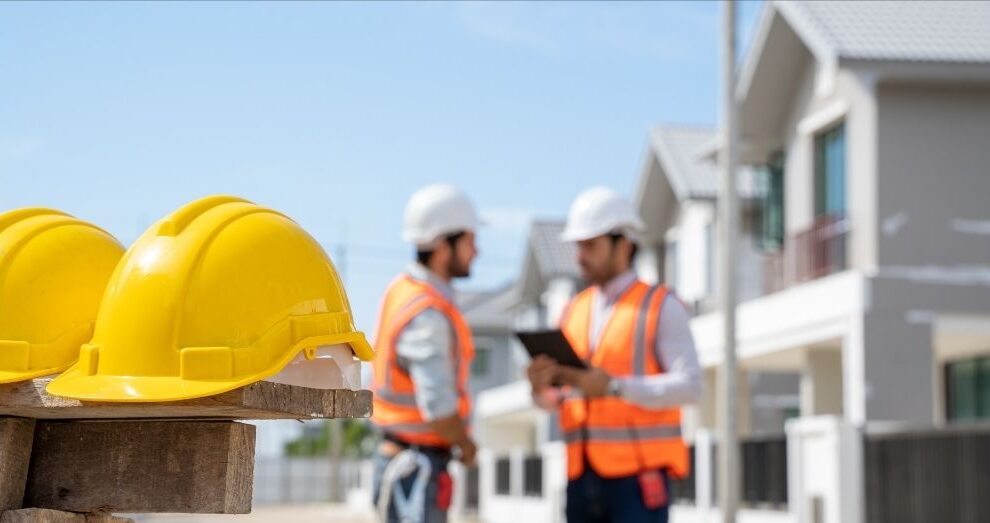
Commercial construction presents inherent risks, from working at heights to operating heavy machinery. Without proactive safety management in construction, accidents can result in severe injuries, costly delays, and regulatory violations. Implementing a structured safety plan is not only a legal requirement but also a strategic investment that enhances efficiency, protects workers and reinforces a company's reputation.
1. Reduces Workplace Injuries
Workplace injuries are one of the biggest risks in commercial construction. Companies that prioritize construction risk management significantly reduce injury rates. For example, worker injuries have dropped from 10.9 cases per 100 workers in 1972 to 2.4 per 100 in 2023 due to improved safety regulations and training.
A lack of construction risk management can lead to:
- Slips, trips, and falls – The leading cause of injuries in construction, often due to poor site organization.
- Struck-by incidents – Heavy machinery, tools, or materials falling from heights can result in serious harm.
- Electrocutions – Exposed wiring and high-voltage equipment pose a constant risk. Electrocutions contribute to more than 7% of all fatalities in the construction industry.
- Caught-in/between accidents – Workers can get trapped between machinery or collapsing structures.
2. Ensures Legal Compliance
Failure to meet Occupational Health and Safety (OHS) standards can lead to fines, project shutdowns, or legal liability. Construction companies must comply with:
- OSHA (Occupational Safety and Health Administration) regulations for workplace safety.
- State and local safety codes related to commercial construction.
- Client safety requirements, which may exceed baseline regulations.
Companies that prioritize safety stay in compliance, avoiding financial penalties and reputational damage. Claris Design•Build adheres to OHS regulations and works closely with inspectors to ensure compliance at all job sites.
3. Prevents Project Delays
Safety incidents don’t just impact workers—they can halt an entire construction project. When accidents occur:
- Work must stop for injury investigations and site inspections.
- Damaged materials and equipment must be replaced or repaired.
- Worker injuries lead to staff shortages and schedule disruptions.
Proactive safety management in construction reduces downtime, keeping projects on schedule and within budget. Claris uses pre-construction risk assessments to identify potential hazards before work begins, minimizing unexpected delays.
4. Boosts Company Reputation
A company’s safety record directly affects its ability to win contracts. Clients look for contractors who prioritize workplace safety in construction, as it reflects:
- Professionalism and reliability – Companies with strong safety records deliver high-quality work.
- Risk reduction – Clients want to avoid legal or financial complications due to unsafe job sites.
- Worker morale and retention – A safer workplace attracts and retains skilled labor.
A strong construction risk management system not only protects workers but also strengthens client trust and secures future projects. Claris Design•Build is known for integrating safety measures into its design-build approach, ensuring both worker protection and client satisfaction. Its Insurance Safety Modification is 0.98, one of the best in the industry.
8 Key Strategies to Reduce Workplace Injuries
Effective safety management in construction strategy includes multiple proactive measures. Each step in the process strengthens construction site safety, minimizes risks, and ensures compliance with Occupational Health and Safety (OHS) regulations.
1. Implementing Comprehensive Safety Training
A well-trained workforce is the foundation of workplace safety in construction. Training should be continuous, updated regularly, and tailored to specific job roles.
Key Components of Effective Training:
✔ Regular Training Sessions – Monthly or quarterly safety meetings reinforce best practices.
✔ Job-Specific Safety Training – Workers handling electrical, heavy equipment, or working at heights need specialized instruction.
✔ Onboarding Safety Programs – New employees receive hands-on training to understand construction site safety protocols before starting work.
✔ Emergency Response Drills – Workers practice fire evacuation, medical emergency response, and fall protection scenarios to prepare for real-life incidents.
✔ Toolbox Talks – Short, daily safety briefings before shifts reinforce job-specific safety concerns and expectations.
2. Utilize Personal Protective Equipment (PPE)
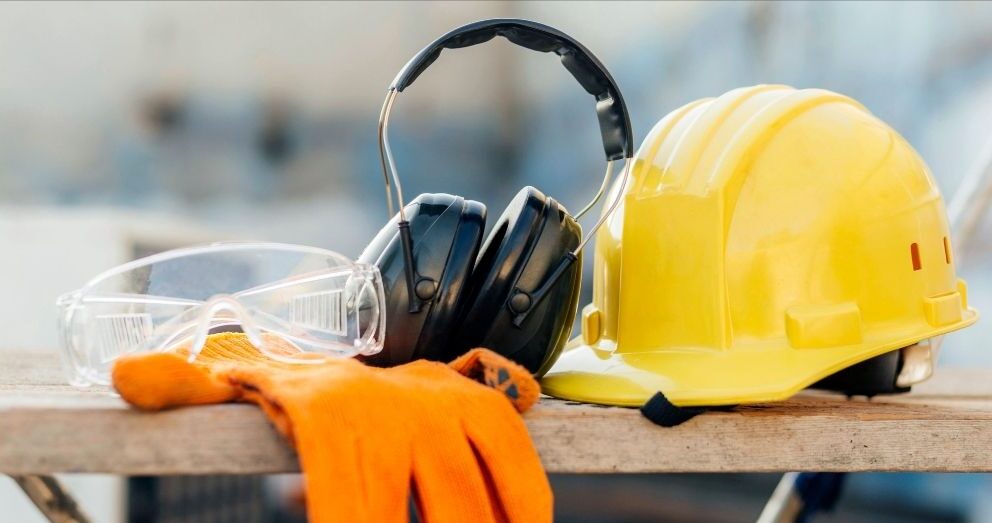
Personal protective equipment (PPE) is a last line of defense in construction risk management, protecting workers from injuries when hazards cannot be eliminated.
Essential PPE and Best Practices:
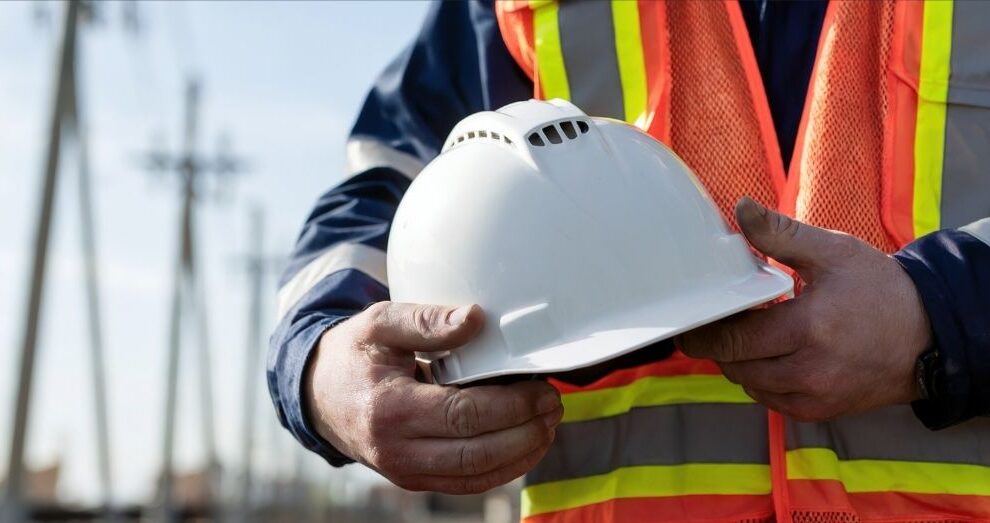
✔ Head Protection: Hard hats reduce the risk of falling object injuries.
✔ Eye and Face Protection: Safety goggles and face shields prevent eye injuries from flying debris.
✔ Respiratory Protection: Masks and respirators protect against dust, fumes, and hazardous airborne particles.
✔ Hand and Foot Protection: Heavy-duty gloves and steel-toe boots prevent crush injuries and puncture wounds.
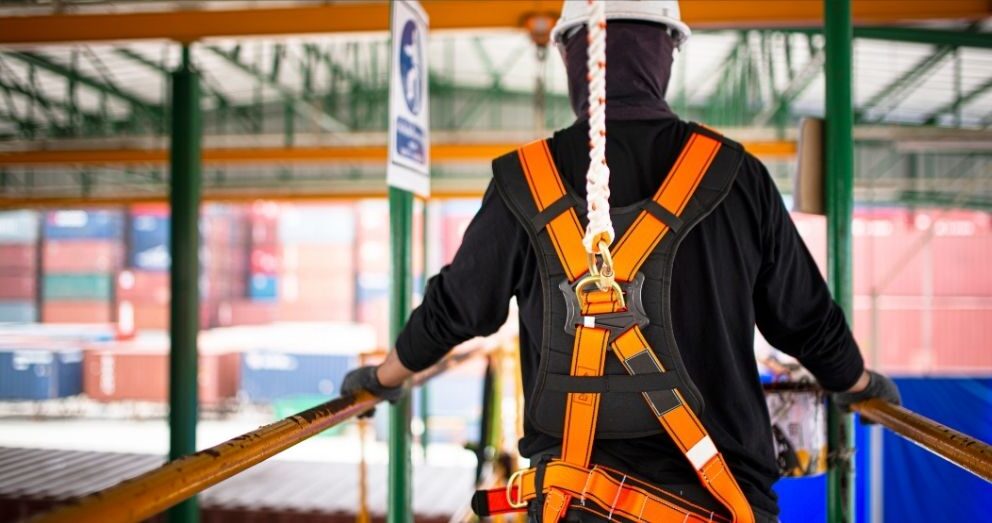
✔ Fall Protection: Safety harnesses and lanyards prevent falls from elevated work areas.
✔ High-Visibility Clothing: Reflective vests ensure workers are seen in low-visibility areas.
3. Develop a Construction Risk Management Plan
A strong construction risk management plan reduces accidents by identifying, assessing, and mitigating hazards before they cause harm.
Key Elements of a Risk Management Plan:
✔ Routine Job Site Inspections – Daily and weekly inspections identify potential hazards.
✔ Pre-Task Hazard Analysis (PTHA) – Workers assess potential risks before beginning each task.
✔ Incident and Near-Miss Reporting – Workers are encouraged to document unsafe conditions and close calls.
✔ Emergency Action Plans – Clearly outlined procedures for fires, structural collapses, medical emergencies, and chemical spills.
✔ Site-Specific Risk Assessments – Evaluating job site conditions to tailor safety measures accordingly.
4. Establish Clear Safety Policies and Procedures
Strong safety policies and procedures establish expectations and ensure workplace safety in construction is consistently followed.
Critical Safety Policies for Commercial Construction:
✔ Written Safety Guidelines – Formal safety handbooks outline procedures for handling equipment, hazardous materials, and job site conduct.
✔ Step-by-Step Safety Procedures – Detailed instructions ensure construction site safety for tasks like welding, demolition, and operating heavy machinery.
✔ Accountability Measures – Workers and supervisors are responsible for enforcing safety compliance.
✔ Zero-Tolerance Policy for Safety Violations – Strict penalties for failing to follow Occupational Health and Safety (OHS) regulations.
✔ Clear Chain of Command – Defined roles and responsibilities ensure efficient response to safety concerns.

5. Leverage Technology for Safer Construction
The construction industry has evolved with technological advancements that significantly enhance safety management in construction. Digital tools, automation, and real-time monitoring improve construction risk management, minimize human error, and provide better oversight of job site conditions.
How Technology Improves Construction Site Safety:
✔ Drones for Site Inspections - Provide aerial overviews of job sites to identify potential hazards and improve visibility in hard-to-reach areas, reducing the need for risky manual inspections. It can also capture real-time footage for safety analysis and training.
✔ AI-Driven Monitoring Systems - Detect unsafe behaviors such as workers not wearing PPE or standing in hazardous zones and analyze job site data to predict potential safety risks before they cause injuries. These improve construction site safety by alerting supervisors to dangerous conditions.
✔ Wearable Safety Devices - Track worker fatigue and heat stress, preventing accidents caused by exhaustion. These send real-time alerts if a worker falls or experiences a medical emergency and improve communication between site teams for faster response in emergencies.
✔ Smart Construction Equipment - Autonomous or remotely controlled machinery reduces the need for workers in high-risk areas. Sensors on heavy equipment detect nearby workers, preventing struck-by accidents. The IoT-connected tools ensure equipment is functioning properly before use.
6. Maintain a Clean and Organized Worksite
A disorganized job site increases the risk of trip hazards, falling objects, and other preventable accidents. Clean, well-maintained construction sites enhance workplace safety in construction and improve efficiency.
Steps to Keep a Construction Site Safe and Organized:
✔ Proper Storage of Materials
- Store tools, construction materials, and equipment in designated areas.
- Use secured shelving and racks to prevent falling objects.
- Keep hazardous materials in locked and labeled containers.
✔ Marked Pathways
- Define walkways, loading zones, and high-risk areas with bright, visible markers.
- Ensure clear signage for emergency exits, fire extinguishers, and first aid stations.
- Restrict access to high-risk zones to authorized personnel only.
✔ Routine Housekeeping Schedules
- Assign workers daily cleanup duties to maintain job site organization.
- Remove unused materials and debris promptly to prevent obstructions.
- Inspect scaffolding and ladders for stability before each use.
✔ Trash and Waste Management
- Place designated disposal bins for debris, hazardous waste, and recyclables.
- Remove flammable materials to prevent fire hazards.
- Maintain drainage systems to prevent water buildup and slip hazards.
7. Conduct Regular Safety Audits
Routine safety audits help identify and correct hazards, ensuring compliance with Occupational Health and Safety (OHS) regulations. These assessments reduce risks and create a proactive approach to workplace safety in construction.
Key Aspects of an Effective Safety Audit:
✔ Scheduled Safety Inspections
- Perform weekly and monthly inspections to ensure safety standards are met.
- Inspect scaffolding, electrical setups, and PPE compliance regularly.
- Monitor equipment maintenance logs to ensure machinery functions properly.
✔ Checklists for Safety Compliance
- Use standardized safety checklists for every phase of construction.
- Evaluate fall protection measures, hazardous material handling, and worker safety practices.
- Identify recurring safety violations and develop action plans to prevent repeat incidents.
✔ Adjust Safety Protocols Based on Audit Results
- Analyze audit findings to modify safety policies and procedures.
- Implement corrective actions to address any identified safety risks.
- Provide additional safety training or PPE improvements when necessary.
✔ Involvement of Third-Party Safety Inspectors
- External audits help ensure unbiased safety assessments.
- Compliance with local, state, and federal safety regulations is verified.
- Recommendations from experts help refine construction risk management strategies.
8. Create a Safety-First Culture
Establishing a safety-first culture is one of the most effective ways to reduce workplace injuries in construction. A company-wide commitment to safety management in construction fosters accountability, improves compliance, and encourages workers to prioritize construction site safety.
Key Steps to Building a Strong Safety Culture:
✔ Leadership Sets the Example
- Management actively demonstrates a commitment to safety.
- Safety policies are strictly enforced at all levels.
- Supervisors hold safety meetings and reinforce expectations daily.
✔ Worker Involvement in Safety Discussions
- Employees report safety concerns without fear of repercussions.
- Team members participate in safety planning and training.
- Feedback from workers helps improve job site safety procedures.
✔ Recognizing and Rewarding Safety Practices
- Incentives for accident-free job sites encourage safer behaviors.
- Recognizing workers who consistently follow safety protocols builds morale.
- Acknowledging teams who go above and beyond in safety efforts fosters accountability.
✔ Ongoing Safety Improvements
- Regular evaluations ensure safety measures remain effective.
- New safety technologies and methods are integrated as they become available.
- Training programs are updated to reflect changes in industry best practices.
Why Work with a Trusted Design-Build Firm
Selecting the right design-build firm is a critical decision for commercial construction projects. A company that prioritizes safety management in construction not only reduces workplace injuries but also ensures regulatory compliance, project efficiency, and long-term structural integrity.
Unlike traditional construction methods that separate design and construction teams, a design-build approach streamlines construction site safety by integrating safety measures into every phase of the project.
1. Integrating Safety from the Start
Safety planning begins before construction even starts. A trusted design-build firm ensures that every blueprint, material selection, and engineering decision prioritizes workplace safety in construction.
✔ Pre-construction risk Assessments
- Identify potential hazards before breaking ground.
- Develop site-specific safety protocols and emergency plans.
- Conduct thorough geotechnical and structural evaluations to prevent unexpected risks.
✔ Designing for Safety
- Ensure adequate space for equipment operation and worker movement.
- Incorporate non-slip surfaces, proper drainage, and structural reinforcements for stability.
- Select materials that meet fire resistance, durability, and safety compliance standards.
2. Single-Source Accountability
Traditional construction methods separate designers, engineers, and contractors, which can lead to safety gaps, miscommunication, and oversight. A design-build firm, however, provides one point of responsibility, ensuring that safety measures remain consistent across all project phases.
✔ Unified Safety Standards
- The same team that designs the project also enforces safety compliance during construction.
- Safety standards are applied seamlessly across architecture, engineering, and building teams.
✔ Faster Problem-Solving
- If an unexpected safety issue arises, the design-build firm can quickly adjust construction plans without delays.
- Engineers and project managers collaborate in real time to resolve safety concerns on-site.
✔ Greater Oversight and Quality Control
- A single management team ensures safety checks are conducted at every stage.
- There is no confusion or delay in implementing safety protocols.
3. Reduced Miscommunication and Increased Coordination
Miscommunication is one of the biggest contributors to construction accidents. In traditional project delivery models, separate teams work independently, leading to safety oversights, missed protocol updates, and confusion regarding job site responsibilities. A design-build firm improves communication by:
✔ Using centralized project management tools – Digital platforms ensure all teams access up-to-date safety guidelines and protocols.
✔ Conducting frequent safety meetings – Regular discussions ensure that new risks are identified and safety plans are adjusted accordingly.
✔ Coordinating directly with subcontractors – Ensuring everyone on-site follows the same safety procedures and receives proper training.
✔ Utilizing real-time data sharing – Wearable technology, smart sensors, and drones help teams identify and correct hazards faster.
Frequently Asked Questions
What are the key elements of an effective construction safety program?
An effective construction safety program includes hazard identification, employee training, emergency preparedness, regular safety audits, and compliance monitoring. It ensures that workers are equipped with the knowledge and tools to prevent accidents before they happen. Implementing these elements consistently improves overall job site safety and minimizes risks.
How does company size impact construction site safety?
Larger construction companies typically have more resources to implement comprehensive safety management in construction programs, reducing workplace injuries. Smaller firms may struggle with budget constraints, leading to gaps in training and safety enforcement. However, even small companies can improve construction site safety by adopting strict protocols and leveraging affordable safety technologies.
What role does hazard communication play in construction safety?
Hazard communication ensures that workers are informed about potential risks, such as chemical exposure, electrical hazards, or structural dangers. Proper labeling, safety data sheets, and clear communication protocols help workers take the necessary precautions. Without effective hazard communication, workers may unknowingly expose themselves to dangerous conditions.
Why is equipment maintenance crucial for construction safety?
Regular maintenance of machinery prevents malfunctions that could lead to serious accidents, such as equipment failures or collapsing structures. Well-maintained tools and machines ensure efficiency and reduce unexpected breakdowns that can disrupt projects. Preventive maintenance programs also help companies comply with Occupational Health and Safety (OHS) regulations and extend the lifespan of their equipment.
How can digital tools enhance construction site safety?
Digital tools like online safety training, real-time site monitoring, and automated access control improve workplace safety in construction. These technologies help track compliance, detect hazards before accidents occur, and provide data-driven insights for better decision-making. Implementing digital safety solutions increases efficiency, reduces human errors, and strengthens overall construction risk management.
Ensure Safety and Efficiency with Claris Design•Build!
Prioritizing safety management in construction is essential for reducing workplace injuries, ensuring compliance, and maintaining project efficiency. With a trusted design-build firm like Claris Design•Build, you get a seamless, safety-focused approach that integrates risk management, advanced technology, and strict compliance measures into every phase of your project. Whether you're constructing a commercial facility, expanding your business, or optimizing your workspace, safety remains a top priority.
Claris also offers a comprehensive range of services, including pre-construction planning, site selection assistance, value engineering, and sustainable building solutions. Our turnkey construction approach streamlines every aspect of your project—from design and permitting to final build-out—ensuring high-quality results on time and within budget.
Contact our team to discuss your next construction venture and experience the design-build difference!
