



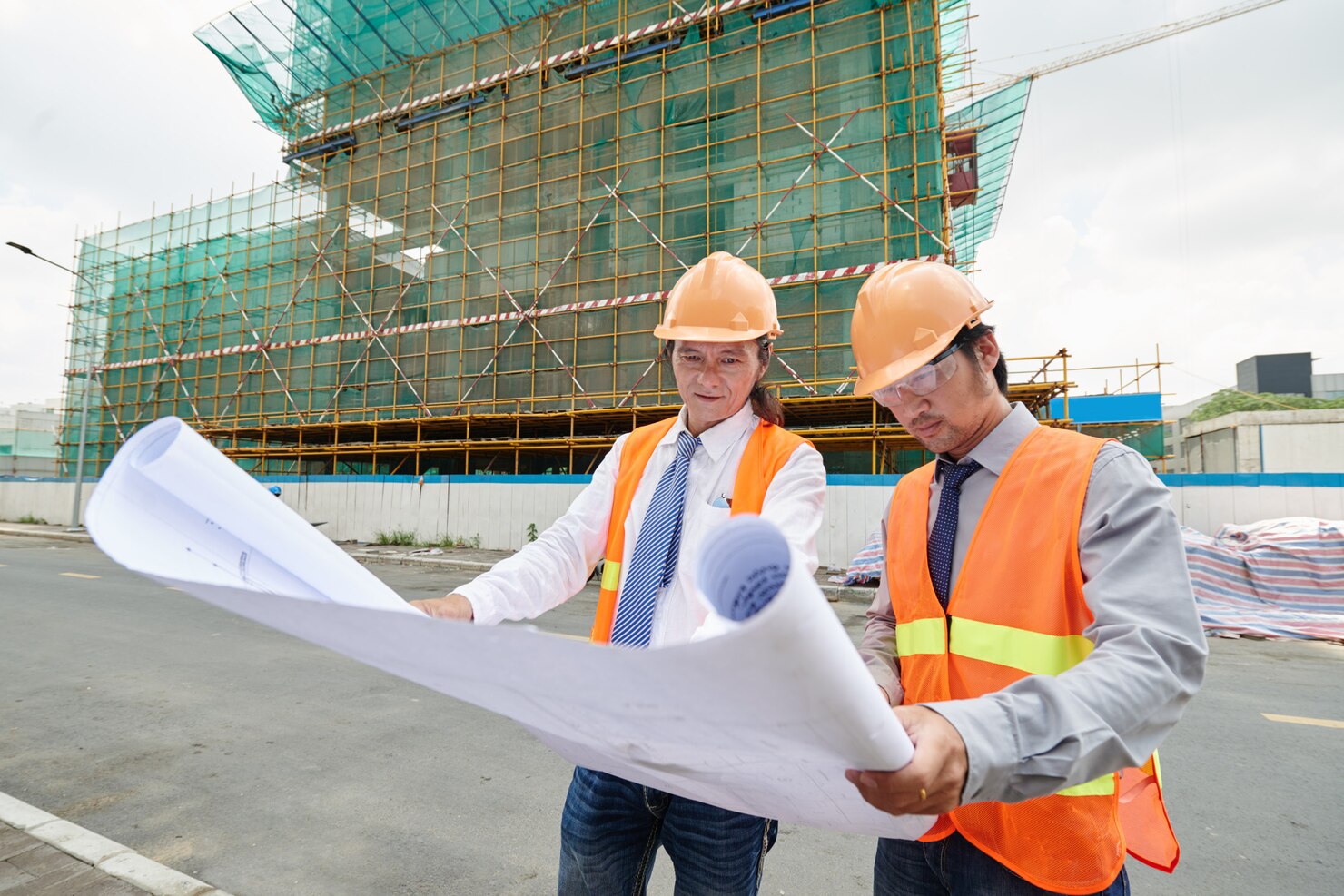
The construction sector employed 8.3 million individuals as of July 2024, surpassing the previous peak of 7.7 million in 2006. What this data shows is that commercial construction remains a crucial part of the U.S. economy.
However, while the industry is thriving, working with a construction company is demanding. It requires a clear roadmap that ensures each phase of development is executed with precision, efficiency, and alignment with the company’s goals.
Here’s a detailed, step-by-step guide designed specifically for businesses seeking reliable construction services from an experienced construction firm.
Table of Contents
Key Takeaways
1. Define Your Project Vision and Business Goals
2. Establish a Budget and Secure Financing
3. Assemble Your Professional Team
4. Conduct Site Selection and Feasibility Analysis
5. Develop Conceptual Designs and Preliminary Plans
6. Navigate Permits, Zoning, and Approvals
7. Finalize Construction Documents and Specifications
8. Bid the Project and Select Contractors
9. Begin Construction and Manage the Build
10. Complete Final Inspections and Transition to Operations
Frequently Asked Questions
Ready to Build? Partner with Claris for Excellence!
Key Takeaways
✔ Clearly outline your building’s purpose, business goals, and success metrics to guide every decision.
✔ Account for all costs, secure financing, and involve experts early to prevent overspending.
✔ Select a skilled general contractor and supporting professionals who align with your project scope and values.
✔ Evaluate location, zoning, environmental risks, and utilities with professional feasibility studies.
✔ Develop detailed designs and layouts that align with brand identity, workflow, and energy efficiency.
✔ Secure all necessary approvals early to avoid delays and ensure legal construction.
✔ Lock in specifications and drawings to minimize errors, ensure accuracy, and improve contractor bids.
✔ Use competitive bidding and strict evaluation criteria to hire reliable, cost-effective contractors.
✔ Ensure daily oversight, scheduling, safety, and quality control to keep construction on time and within budget.
✔ Complete inspections, testing, cleanup, and documentation to prepare your facility for full operation.
1. Define Your Project Vision and Business Goals
Every successful commercial construction project starts with a well-defined vision. A clear understanding of the purpose and goals ensures smoother collaboration with your general contractor and construction firm throughout the project. Clear goals help your construction firm tailor their construction services, resulting in a purpose-built commercial building that delivers measurable ROI.
Determine the Primary Function of the Building
- Warehouse – Prioritize space optimization, loading docks, and ceiling height.
- Retail Space – Focus on customer flow, display areas, and visibility.
- Office Building – Emphasize employee comfort, productivity, and technology integration.
- Manufacturing Facility – Account for heavy equipment, ventilation, and safety protocols.
Clarify Business Objectives
- Operational Efficiency – Design the space to streamline daily processes and workflows.
- Workforce Productivity – Create an environment that supports collaboration and minimizes downtime.
- Customer Experience – Ensure accessibility, aesthetic appeal, and intuitive navigation for clients or customers.
- Future Scalability – Plan for potential expansions, new departments, or increased staff without starting from scratch.
Identify Stakeholder Priorities
- Align Leadership Goals – Ensure the executive team's long-term vision, each department’s functional requirements, and daily operational objectives are unified to guide the design and construction process effectively.
- Conduct Pre-Design Workshops – Facilitate collaborative sessions with key stakeholders before design begins to gather detailed input, clarify priorities, and resolve potential conflicts between departments early on.
2. Establish a Budget and Secure Financing
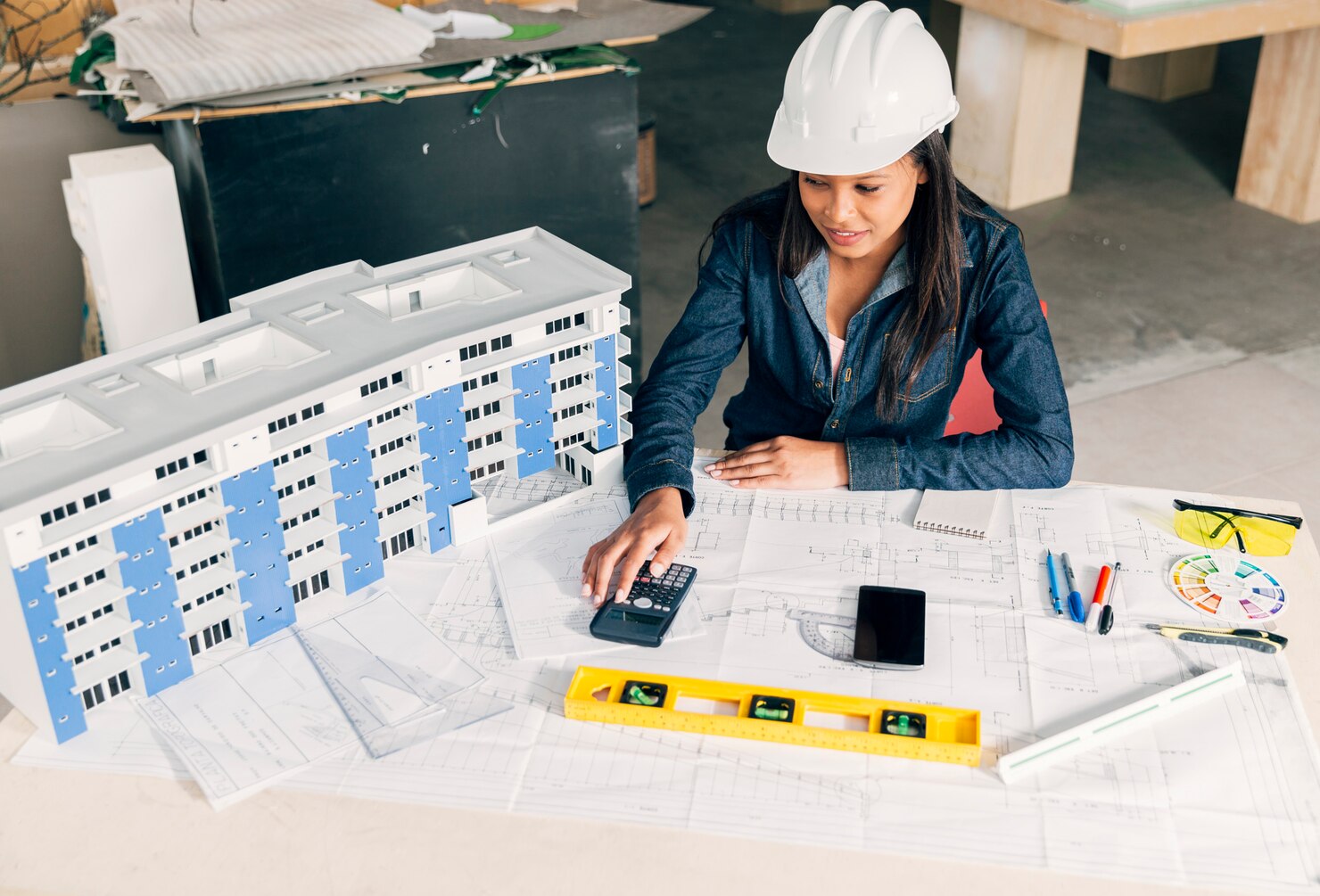
Budgeting for a commercial construction project involves developing a comprehensive financial strategy that supports decision-making throughout every phase. In October 2024, construction spending reached an unprecedented $2.17 trillion in the U.S, marking a 7.2% year-over-year increase. This surge was significantly driven by investments in data centers and manufacturing facilities.
This rapid growth underscores the importance of accurate cost forecasting and competitive financial planning. A proactive financial plan helps prevent delays and ensures your commercial building meets business needs without unnecessary overspending.
Break Down the Total Project Cost
- Land Acquisition – Includes purchase price, taxes, and closing costs.
- Permitting and Design Fees – Paid to municipalities, architects, and engineers.
- Construction Materials – Account for rising costs, availability, and delivery timelines.
- Labor and Subcontractors – Factor in skilled trades and project supervision.
- Equipment Rentals – For site work, cranes, generators, etc.
- Contingency Funds – Typically 10–15% to cover unforeseen expenses or changes.
Evaluate Financing Options
- Commercial Construction Loans – Offered by banks with phased funding based on project milestones.
- Grants and Incentives – Some industries may qualify for government programs or tax benefits.
- Private Equity or Investors – Ideal for projects with high ROI or mixed-use developments.
Benefits of Involving a Construction Firm Early
- Accurate Forecasting – Professionals help estimate real-world costs based on market data.
- Scope Refinement – Eliminate unnecessary expenses early in the design phase.
- Value Engineering – Identify cost-saving alternatives for materials or methods without sacrificing quality.
3. Assemble Your Professional Team
Putting together the right team is essential for delivering a commercial construction project on time and within budget. Choosing a qualified construction firm ensures access to experienced professionals who understand the scope and scale of commercial projects.
By assembling a cohesive team led by a seasoned general contractor, commercial companies can trust that their commercial construction project will move forward with fewer setbacks and greater confidence.
Key Team Members to Include
- Architect: Designs functional layouts, building aesthetics, and code-compliant structures.
- Civil and Structural Engineers: Evaluate soil, drainage, and create safe structural frameworks for commercial buildings.
- Legal Advisor: Reviews contracts, ensures regulatory compliance, and manages potential liabilities.
- Environmental Consultant: Assesses the site for environmental impact, sustainability, and hazard mitigation.
Criteria for Selecting Partners
- Relevant Project Experience – Look for a proven track record with projects like retail buildouts, industrial facilities, or mixed-use developments.
- Verified Credentials – Confirm state licensing and liability/workers' comp insurance before signing.
- Cultural Alignment – Choose a team that understands your company culture, communication style, and brand standards.
Conduct Thorough Evaluations
- Request Work Samples – Ask for portfolios and completed project references to evaluate the firm’s design style, quality, and consistency.
- Evaluate Communication Fit – Schedule interviews to assess how well the team communicates, responds to feedback, and collaborates across departments.
- Review Industry Experience – Look at case studies or project success stories that match your industry to ensure the firm understands your specific challenges and goals.
4. Conduct Site Selection and Feasibility Analysis
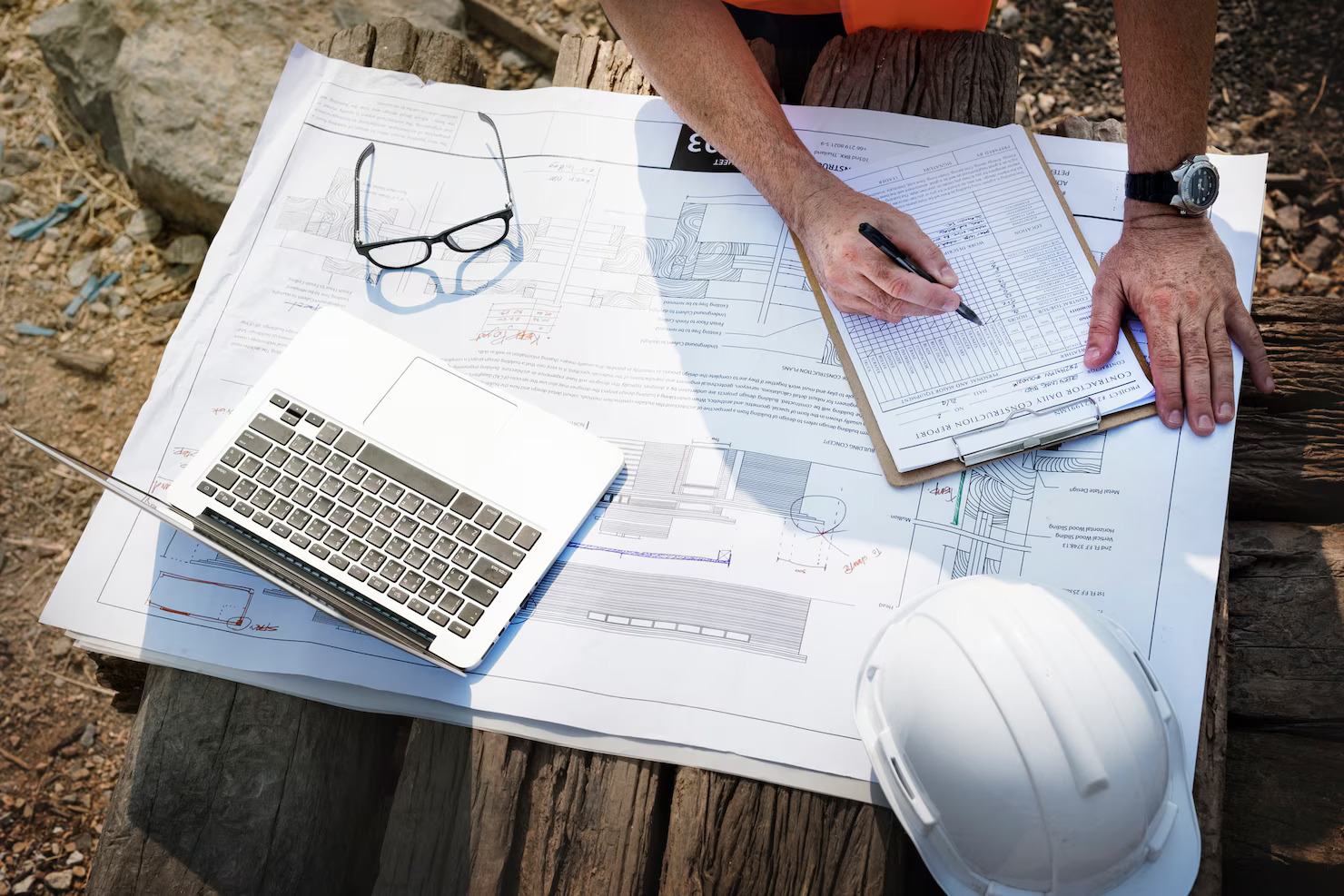
The success of any commercial construction project begins with selecting the right site. Poor site decisions can lead to costly setbacks during the design, permitting, and construction phases. Partnering with experts for site evaluation ensures you build on a strong foundation—literally and financially.
Key Factors to Evaluate During Site Selection
- Proximity to Suppliers and Clients – Reduces shipping time and transportation costs, which improves operational efficiency.
- Zoning Regulations – Ensures that the intended use of the property complies with local laws and minimizes the risk of rejection during the permitting phase.
- Environmental Impact – Evaluates potential environmental risks or requirements for remediation (e.g., wetlands, contaminated soil).
- Access to Utilities and Transportation – Confirms availability of water, electricity, sewer, and road access for both employees and delivery fleets.
- Safety and Compliance – Reviews site elevation, drainage, and neighboring activity to minimize hazards and future liability.
Feasibility Study Essentials
- Soil Testing and Geotechnical Surveys – Determines the load-bearing capacity of the land and influences foundation design.
- Traffic and Access Analysis – Identifies whether the area supports employee and customer access, parking, and delivery zones.
- Utility Capacity Assessments – Ensures utility services can support the scale of your commercial building without costly infrastructure upgrades.
- Local Ordinance Review – Addresses height limits, landscaping rules, and noise ordinances.
5. Develop Conceptual Designs and Preliminary Plans
After securing the site, your project enters the creative planning stage. This is where your ideas take shape, turning business needs into visual and technical drafts.
A construction firm offering design-build construction services helps eliminate miscommunication and streamlines revisions, making this phase more productive. They also provide real-world input on construction feasibility, materials, and timelines.
Conceptual Design Phases
- Site Layout Planning – Determines the positioning of the commercial building, parking areas, landscaping, and traffic flow.
- Floor Plan Drafting – Outlines the interior space configuration based on operational needs (e.g., open office areas, storage, restrooms, specialized rooms).
- Exterior Elevations – Visualizes the building’s façade, materials, and architectural character.
- Rough-in System Planning – Includes initial design for HVAC, plumbing, and electrical infrastructure to align with code and utility access.
Key Considerations for Commercial Companies
- Brand Image and Aesthetics – Design should reflect the company’s identity and enhance the customer experience.
- Functional Flow – Layouts must support daily operations and optimize employee movement and interaction.
- Energy Efficiency – Consider lighting, ventilation, and orientation for sustainability and cost savings.
6. Navigate Permits, Zoning, and Approvals
Compliance is non-negotiable in commercial construction. Permits and zoning approvals serve as legal gateways to breaking ground. By prioritizing compliance early and relying on knowledgeable partners, commercial companies can avoid unnecessary obstacles and move confidently toward breaking ground.
Common Regulatory Requirements
- Site Plan Approval – Confirms that the development plan aligns with city planning objectives.
- Environmental Clearances – Required if the site impacts wetlands, air quality, or endangered species.
- Building Permits – Covers structural, mechanical, plumbing, and electrical aspects of the build.
- Utility Connection Approvals – Grants permission to hook into public water, sewer, gas, and electric systems.
Key Challenges to Anticipate
- Permit Delays – Permit backlogs or slow review cycles can stall timelines.
- Community Pushback – Neighbor objections or required public hearings may arise.
- Code Changes – Evolving codes or standards can trigger plan revisions.
- Surprise Requests – Officials may ask for unexpected documents or clarifications.
How a General Contractor Adds Value
- Handles Permitting – Manages the full application process and stays in touch with officials.
- Ensures Compliance – Verifies that all plans meet submission and code requirements.
- Manages Revisions – Responds quickly to redlines or updates to keep things moving.

7. Finalize Construction Documents and Specifications
Once permits and zoning approvals are in place, the project shifts to technical planning. Finalized documents serve as the foundation for execution, enabling seamless coordination across all trades involved in commercial construction. A construction firm with rigorous documentation processes helps ensure that all construction activities are aligned with the approved plan.
Essential Documents
- Architectural Drawings: Provide exact floor plans, elevations, and interior layouts.
- Structural, Mechanical, and Electrical Plans: Outline critical infrastructure systems and ensure they integrate smoothly across the commercial building.
- Technical Specifications: Define construction materials, finishes, installation methods, and performance standards.
Additional Elements to Lock In
- Interior Finishes – Choose flooring, ceiling materials, cabinetry, and fixtures.
- Lighting Plans – Define fixture placement, controls, and energy efficiency features.
- Insulation and Building Envelope – Specify R-values and thermal performance based on regional climate and building codes.
8. Bid the Project and Select Contractors
With final documents in place, the project moves into the competitive bidding phase. The general contractor initiates a structured bidding process to select reliable subcontractors who will perform the specialized work under their supervision. An experienced construction firm ensures this step is handled with diligence and objectivity, minimizing risk while maximizing value.
Steps in the Bidding Process
- Bid Solicitation – Invitations are sent to qualified vendors in disciplines such as HVAC, electrical, concrete, steelwork, and roofing.
- Bid Review and Comparison – The construction firm reviews proposals based on scope, cost, schedule, and contractor qualifications.
- Negotiation – Adjustments are made to resolve discrepancies and clarify responsibilities before final pricing is approved.
Selection Criteria to Prioritize
- Competitive Pricing – Balanced bids that reflect fair market value without undercutting quality.
- Relevant Experience – Proven success in similar-sized commercial construction projects.
- Proper Licensing and Insurance – Coverage for workers’ compensation, liability, and bonding.
- Strong Safety Records – History of compliance with OSHA standards and a proactive safety culture.
- References and Past Project Reviews – Evidence of dependability, timeliness, and responsiveness.
9. Begin Construction and Manage the Build
The construction phase is where plans turn into a physical commercial building. This stage is dynamic and multifaceted, requiring continuous coordination between the general contractor, subcontractors, suppliers, and the business owner.
Proactive construction management by a qualified general contractor ensures that the project stays on track, meets all regulatory standards, and results in a finished commercial building ready for use.
Initial Activities
- Site Preparation – Grading, excavation, fencing, and utility prep work.
- Foundation Work – Laying slabs, piers, footings, or basements depending on the structure.
- Structural Framing – Erecting steel, concrete, or wood framing to form the building’s skeleton.
Ongoing Responsibilities of the General Contractor
- Daily Supervision – Oversees on-site activity to ensure quality workmanship and adherence to the schedule.
- Logistics Coordination – Manages deliveries, equipment rentals, and crew availability to prevent downtime.
- Progress Tracking – Maintains construction logs, photos, and schedule reports to monitor key milestones.
- Change Order Management –Documents scope modifications and ensures written approvals before work continues.
- Jobsite Safety Enforcement – Implements protocols, training, and hazard mitigation to meet legal and ethical standards.
10. Complete Final Inspections and Transition to Operations
As your commercial construction project wraps up, the final stage ensures that the building is safe, functional, and ready for occupancy.
Critical Tasks to Finalize the Build
- Building Code and Life Safety Inspections – Local authorities review the entire structure to verify compliance with fire codes, structural integrity, accessibility (ADA), and general safety standards.
- Final Utility Connections – Ensure permanent hookups to electrical, water, gas, and communication systems are in place and operational. Temporary utilities used during construction are disconnected.
- System Testing and Commissioning – Includes thorough testing of HVAC, plumbing, electrical, fire alarms, fire suppression systems, elevators, and security systems. Confirm that each performs to specification and is integrated with controls and backup systems.
- Punch List Completion – The general contractor walks through the project with the owner and architect to identify any unfinished or unsatisfactory work. Tasks might include touch-up painting, fixture adjustments, or final finishes.
- Final Cleaning and Site Restoration – Construction debris is removed, the interior is deep-cleaned, and exterior areas such as landscaping, parking lots, and sidewalks are restored or completed for professional presentation.
Post-Construction Support Services
- Warranty Period Monitoring – Reliable firms continue to support the client during the warranty period, responding to issues like settling cracks, equipment malfunctions, or fine-tuning automated systems.
- Closeout Review Meetings – The general contractor and stakeholders conduct a formal review to assess project success, document lessons learned, and verify completion of contractual obligations.
- Facility Readiness Assessment – Ensures everything is operational for occupancy—from lights and locks to signage and restroom supplies.
Frequently Asked Questions
What does a construction project manager do?
A construction project manager oversees all phases of a construction project, from planning and budgeting to execution and closeout. They coordinate teams, ensure compliance with regulations, and track timelines and costs. Their goal is to deliver the project on time, within budget, and to quality standards.
What degree do I need to be a construction project manager?
Most construction project managers hold a bachelor’s degree in construction management, civil engineering, architecture, or a related field. Some roles may also accept significant field experience in place of a degree. Advanced certifications like PMP or CM-Lean can further enhance qualifications.
What are the 4 types of project managers?
The four types are technical project managers, creative project managers, strategic project managers, and administrative project managers. Each type specializes in managing different kinds of projects, depending on industry and focus. In construction, technical and strategic project managers are most common.
How do construction project managers get paid?
Construction project managers are typically paid a salary, which can vary based on experience, location, and project size. Some may receive performance bonuses or profit-sharing based on project success. Independent managers might also work on a fixed-fee or percentage-of-project-cost basis.
What are the 4 C's in project management?
The four C’s in project management are Communication, Collaboration, Critical Thinking, and Commitment. These principles help project managers navigate complex tasks, align stakeholders, and deliver results. In construction, applying the 4 C’s ensures a unified team and successful project outcomes.
Ready to Build? Partner with Claris for Excellence!
When you're ready to bring your commercial vision to life, trust a proven partner with the experience, precision, and dedication to deliver results. Claris is a full-service design-build partner that manages every phase of your project from concept through completion. Whether you're building a corporate headquarters, manufacturing facility, or commercial showroom, Claris has the tools and talent to make it happen.
Contact us today for a consultation!
