






Construction job sites have always been dynamic, high-risk environments. Heavy equipment, changing site conditions, tight schedules, and multiple trades working simultaneously create constant safety challenges. Today, Internet of Things (IoT) technology is reshaping how those risks are identified, monitored, and reduced. Smart job sites—powered by wearables, sensors, and real-time data—are moving safety from reactive reporting to proactive prevention.
For owners, developers, and design-build clients in Connecticut, understanding how these technologies work is no longer optional. They are quickly becoming a marker of professionalism, accountability, and long-term project value.
Quick Facts
✔ IoT technology shifts construction safety from reactive reporting to proactive prevention
✔ Wearables protect workers by monitoring health, movement, and exposure in real time
✔ Environmental sensors identify invisible hazards like poor air quality and excessive noise
✔ Real-time data reduces accidents, delays, and liability across the project lifecycle
✔ Smart job sites are becoming a standard expectation for modern, safety-focused builds
What Defines an IoT-Enabled Smart Job Site?
An IoT-enabled job site uses interconnected devices that collect, transmit, and analyze data in real time. These devices communicate through wireless networks, feeding information into dashboards or software platforms that project teams can access instantly.
Unlike traditional safety practices that rely on manual inspections and incident reports, smart job sites provide continuous visibility into site conditions, worker behavior, and equipment performance. The result is faster decision-making, fewer blind spots, and measurable improvements in safety outcomes.
Wearable Technology: Protecting Workers in Real Time
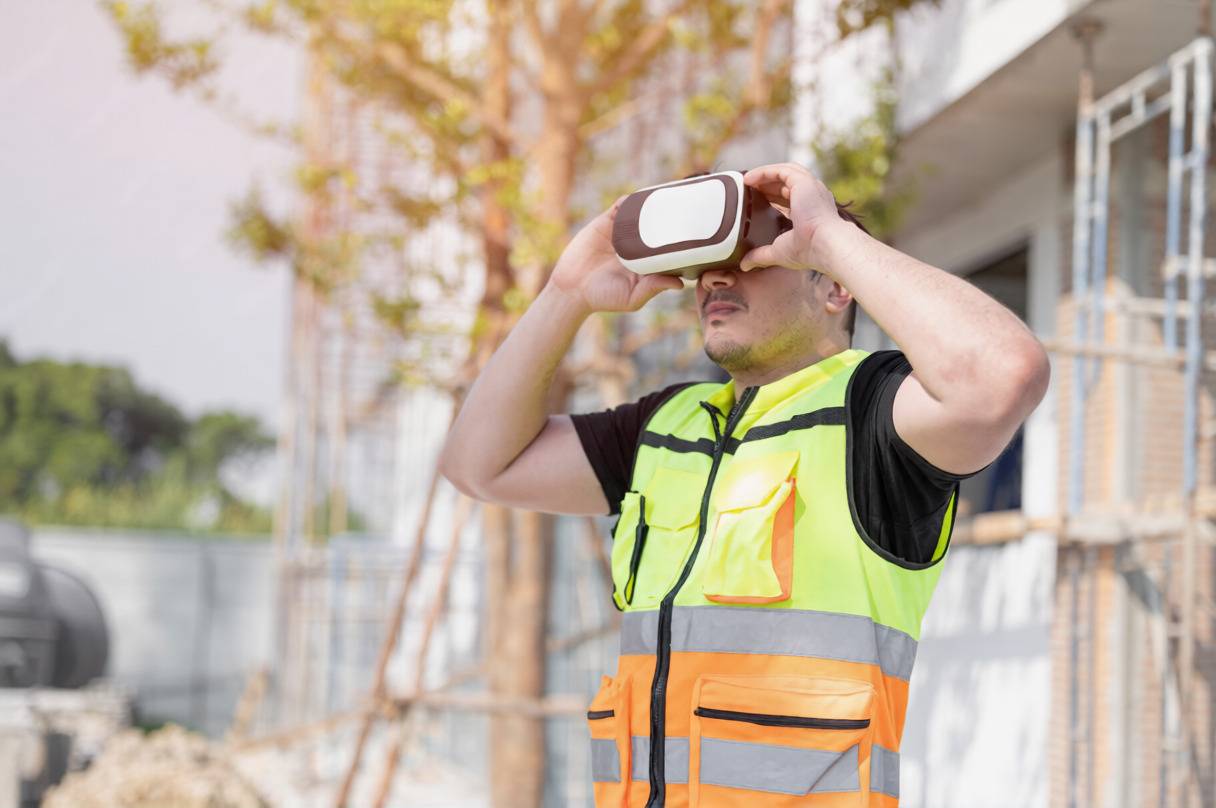
Wearables are one of the most impactful IoT tools on modern construction sites. These devices are designed to integrate seamlessly into existing personal protective equipment (PPE) or work attire.
Common Construction Wearables
- Smart helmets that detect impacts, monitor fatigue, or alert workers to nearby hazards
- Sensor-equipped vests that track location, posture, and movement
- Wristbands or badges that monitor heart rate, body temperature, and exposure to harmful conditions
Safety Benefits of Wearables
Wearables allow supervisors to identify risks before they become incidents. If a worker shows signs of heat stress, enters a restricted zone, or experiences a sudden fall, alerts can be triggered immediately. This rapid response capability is especially valuable on large or complex job sites where visual oversight is limited.
Over time, aggregated wearable data also reveals patterns—such as repeated near-misses in certain areas or tasks associated with higher physical strain—allowing teams to adjust workflows and site layouts proactively.
Environmental Sensors: Monitoring the Job Site Itself
While wearables focus on individual workers, environmental sensors track the conditions surrounding them. These devices are placed strategically across the job site to monitor factors that directly influence safety.
Key Types of Environmental Sensors
- Air quality sensors detecting dust, silica, or harmful gases
- Noise sensors monitor decibel levels to prevent hearing damage
- Vibration sensors assessing structural stability or equipment operation
- Temperature and humidity sensors identifying heat or cold stress risks
Why Environmental Data Matters
Construction hazards are not always visible. Poor air quality, excessive noise, or subtle structural movement can go unnoticed until they cause serious harm. Sensors provide objective, continuous data that removes guesswork from safety management.
For projects in Connecticut—where seasonal weather changes can introduce heat, cold, and moisture-related risks—environmental monitoring helps teams adapt safety protocols in real time rather than relying on assumptions.
Equipment and Asset Tracking: Reducing Risk Through Visibility
Heavy machinery and tools are another major source of job site risk. IoT-enabled asset tracking uses GPS and sensor technology to monitor equipment location, usage, and condition.
Practical Applications
- Preventing unauthorized or unsafe equipment use
- Identifying maintenance needs before failures occur
- Reducing congestion by monitoring equipment movement
- Improving site logistics and material flow
From a safety standpoint, knowing where equipment is and how it is being used minimizes collisions, breakdowns, and misuse—common contributors to job site accidents.
Real-Time Data: From Information to Action
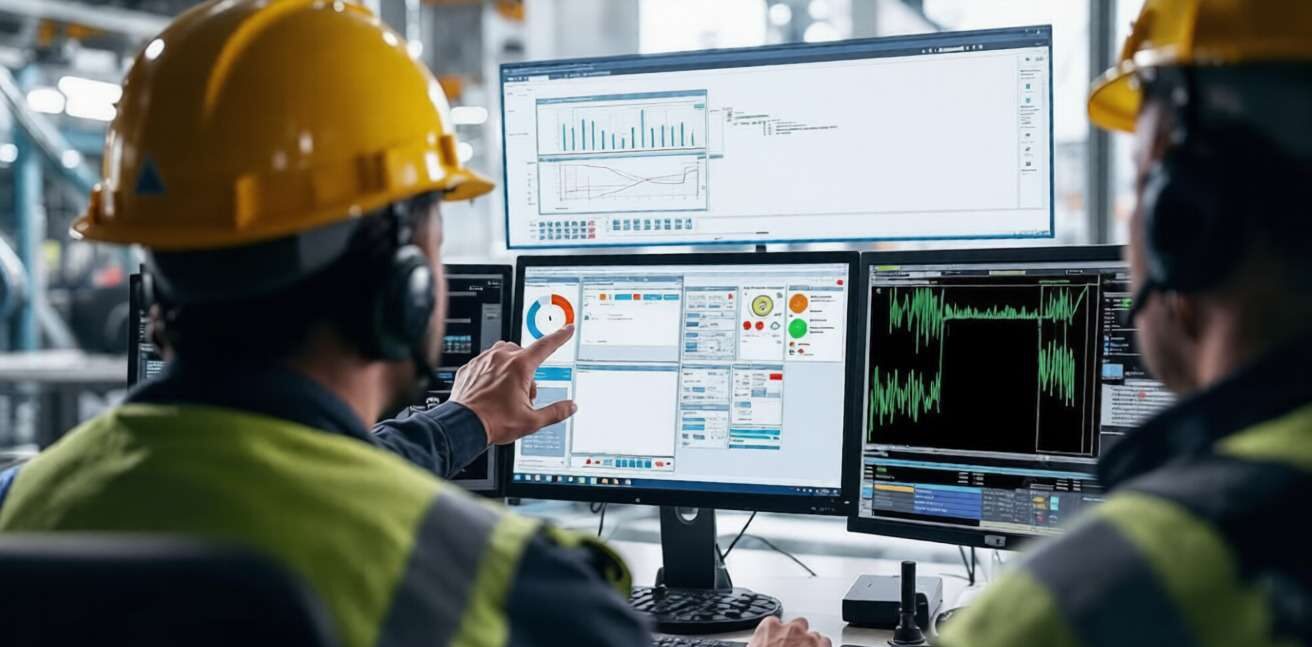
The true value of IoT on job sites lies not just in data collection, but in how that data is analyzed and applied. Centralized platforms aggregate inputs from wearables, sensors, and equipment into real-time dashboards.
How Real-Time Data Improves Safety
- Immediate alerts for hazardous conditions or unsafe behavior
- Data-driven safety meetings based on actual site trends
- Predictive insights that flag high-risk activities before incidents occur
- Documented compliance supporting OSHA and insurance requirements
This shift transforms safety management from a checklist-based process into a continuous feedback loop. Decisions are based on evidence, not intuition.
Reducing Incidents, Delays, and Liability
Safer job sites are not just about protecting workers—they directly impact project performance. Studies consistently show that improved safety correlates with higher productivity, fewer delays, and lower costs.
Business Benefits of Smart Job Sites
- Fewer lost-time incidents and workers’ compensation claims
- Reduced downtime caused by accidents or investigations
- Improved morale and worker retention
- Stronger risk profiles for insurers and stakeholders
For clients investing in design-build projects, these benefits translate into more predictable schedules, tighter cost control, and greater confidence in the project team.
Overcoming Adoption Challenges
Despite the advantages, IoT adoption requires thoughtful implementation. Common concerns include upfront costs, data privacy, and workforce acceptance.
Successful firms address these challenges by:
- Selecting scalable technologies aligned with project size
- Providing clear communication and training for workers
- Using data to support—not police—job site teams
- Integrating IoT insights into existing safety and management processes
When positioned as tools for protection rather than surveillance, smart job site technologies gain faster buy-in and deliver stronger results.
Why Smart Job Sites Are Becoming the Industry Standard
As construction becomes more complex and margins tighten, safety can no longer rely solely on experience and manual oversight. Clients increasingly expect builders to demonstrate not only craftsmanship, but also modern risk management capabilities.
IoT-enabled safety systems signal a forward-thinking approach—one that values worker well-being, accountability, and long-term project success. In competitive markets like Connecticut, this mindset differentiates firms that are prepared for the future from those reacting to the past.
Frequently Asked Questions About IoT-Enabled Smart Job Sites
What is an IoT-enabled smart job site?
An IoT-enabled smart job site uses connected devices—such as wearables, environmental sensors, and equipment trackers—to collect and analyze real-time data. This data improves safety by identifying hazards, monitoring conditions, and enabling faster response to risks.
How do wearables improve construction site safety?
Wearables monitor worker health, location, and movement. They can detect falls, heat stress, fatigue, or entry into restricted zones and send instant alerts, allowing supervisors to intervene before injuries occur.
What types of sensors are used on smart construction sites?
Common sensors include air quality sensors, noise monitors, temperature and humidity sensors, vibration sensors, and motion detectors. These tools track environmental conditions that directly impact worker safety and structural integrity.
Is IoT construction safety technology expensive to implement?
Costs vary depending on project size and scope, but many IoT systems are scalable. When compared to the cost of accidents, delays, and insurance claims, smart job site technology often delivers a strong return on investment.
Are IoT job site systems compliant with OSHA regulations?
Yes. IoT systems support OSHA compliance by documenting site conditions, monitoring exposure levels, and providing data-backed safety records that demonstrate proactive risk management.

Build Safer From Day One With a Data-Driven Design-Build Partner
Smart job site technology is most effective when it is integrated into the project from the earliest planning stages—not added as an afterthought. Working with a design-build team that understands how safety, technology, and construction strategy intersect helps ensure these tools are applied purposefully and efficiently.
For owners seeking a safer, more controlled building process, partnering with an experienced firm like Claris ensures that modern safety practices, informed decision-making, and proven construction expertise work together to protect both people and projects.
