




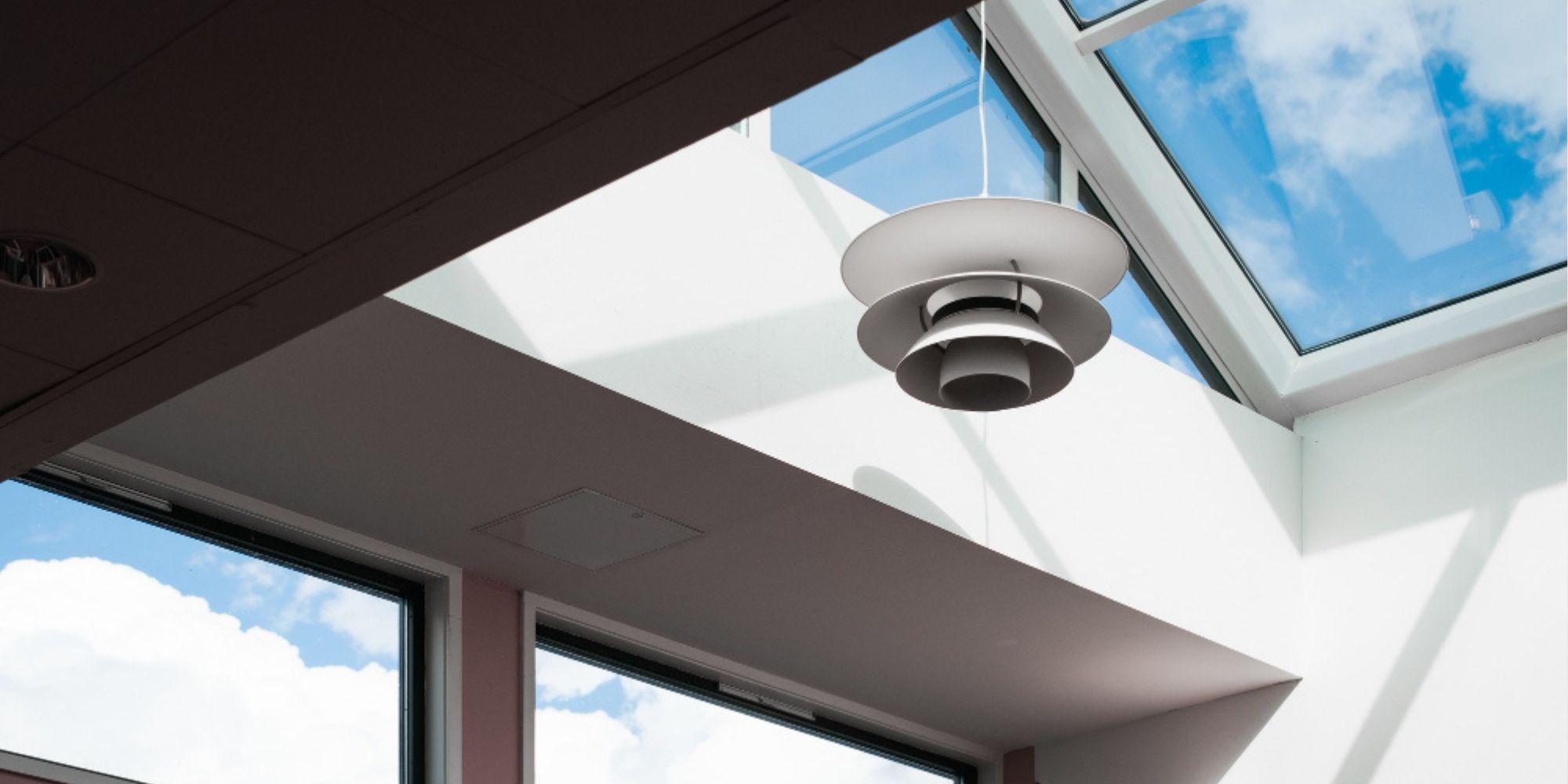
In construction, natural light is a performance boost, energy saver, and wellness enabler all in one. Encouraging the effective use of natural light not only improves building performance but also supports eco-friendly practices and the development of sustainable urban environments.
If your company is considering a build or renovation, understanding what is daylighting and how it works with architecture firms is key to unlocking value.
What's In This Guide
- What Is Daylighting?
- What Is Daylighting in Architecture?
- What Is an Example of Daylighting in Architecture?
- Key Principles and Strategies of Daylighting in Architecture
- Benefits of Daylighting
- What Are the Challenges of Daylighting?
- How Does Daylighting Impact Building Costs?
- What Is the Most Common Failure in Daylight Strategies?
- Frequently Asked Questions (FAQs)
- Partner with Claris Design•Build to Bring More Light Into Your Next Project
Quick Summary
✔ Daylighting in architecture uses natural light strategically to enhance comfort, aesthetics, and energy efficiency.
✔ Effective architectural daylighting depends on building orientation, smart glazing, and integrated lighting controls.
✔ Properly designed daylighting systems reduce energy costs and improve occupant health and productivity.
✔ Balancing light, heat, and glare is essential for successful daylighting architecture in commercial spaces.
✔ Early integration of daylighting design ensures optimal performance, sustainability, and long-term value.
What Is Daylighting?
Simply put, daylighting meaning is the strategic use of natural sunlight to illuminate interior spaces. When we ask what is daylighting, we are referring to the thoughtful architectural practice of bringing daylight into buildings in ways that serve both performance and comfort.
The daylighting definition includes methods like windows, skylights, light-redirecting surfaces, and dynamic controls.
What Is Daylighting in Architecture?
Daylighting definition in architecture is a deliberate and integrated design strategy. Leading architecture firms approach daylighting architecture by considering building orientation, form, glazing, interior surfaces, and light controls from the very first design phase.
Through architectural daylighting, natural light is treated as a core building system that enhances energy efficiency, comfort, and aesthetics.
What Is an Example of Daylighting in Architecture?
To truly understand what is daylighting in architecture, it helps to see how it performs in action. Effective architectural daylighting involves designing an environment where natural light enhances every aspect of a building’s function and feel.
Here are a few examples that show how daylighting architecture transforms commercial spaces:
Atriums and Clerestory Windows
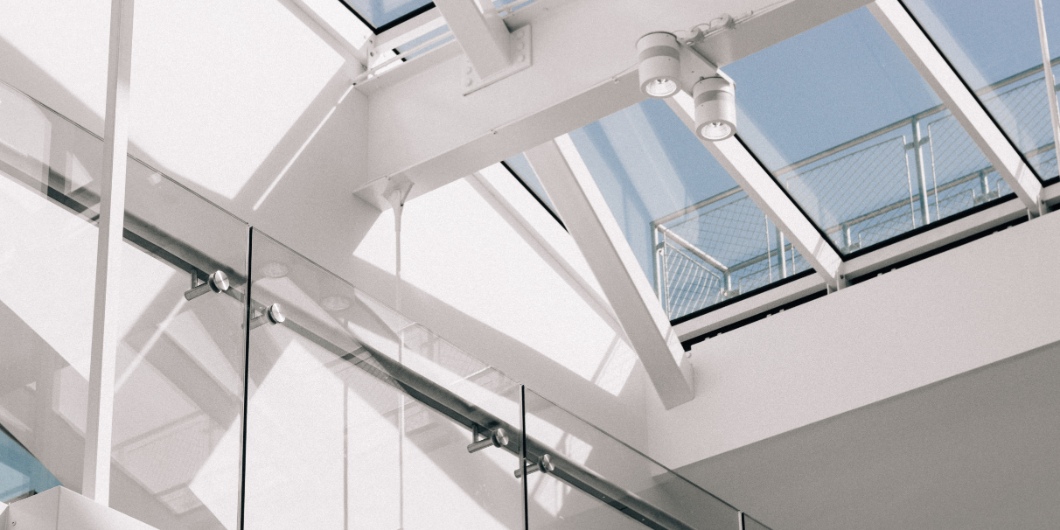
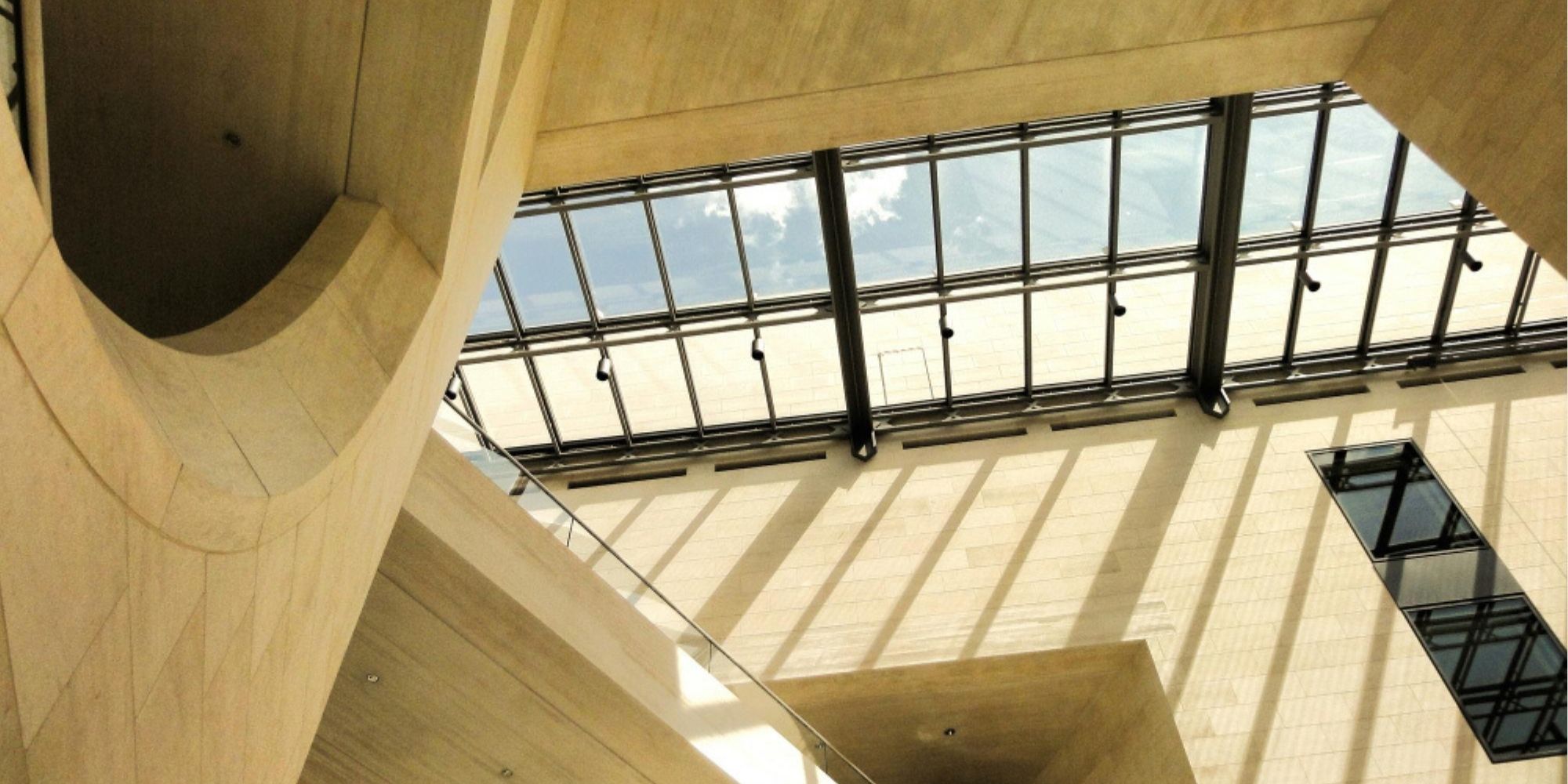
Large, open atriums with clerestory windows or skylights allow daylight to penetrate deep into a building’s core. This technique minimizes the need for artificial lighting during daytime hours and creates a bright, inviting atmosphere.
Showrooms with Glazed Façades
Auto dealerships, retail centers, and product showrooms often use expansive glazed façades to highlight products under natural light. This not only improves visibility and aesthetics but also enhances customer engagement by creating a welcoming, open feel.
Industrial and Office Spaces with Light Shelves
Light shelves and reflective ceiling materials redirect sunlight further into work zones, evenly distributing brightness without glare. The result is a balanced environment that supports productivity and reduces energy costs.
Educational and Recreational Facilities
Schools, gyms, and community centers benefit from daylighting in architecture by improving comfort, focus, and overall user experience—spaces feel more dynamic and connected to nature.
Key Principles and Strategies of Daylighting in Architecture
Building Orientation
Proper building orientation is the foundation of all effective daylighting strategies.
- Purpose: Capture optimal sunlight throughout the day while minimizing glare and heat gain.
- Approach: Architects analyze the site’s solar path, climate, and surrounding features to position façades, windows, and outdoor elements for maximum natural light efficiency.
- Result: Consistent, controlled daylight that enhances comfort and reduces reliance on artificial lighting.
Fenestration Design
Windows are the heart of daylighting meaning in architecture, determining how much light enters and how it behaves indoors.
- Purpose: Balance daylight distribution with energy performance.
- Approach: Careful placement, sizing, and glazing selection ensure the right amount of natural light reaches interior spaces while maintaining privacy and temperature control.
- Result: A comfortable, evenly lit environment that supports both productivity and aesthetics.
Light Redirection Devices
Advanced tools redirect sunlight deeper into the building, enhancing architectural daylighting performance.
- Purpose: Extend daylight’s reach beyond the window line.
- Approach: Use light shelves, prismatic panels, or tubular daylight systems to bounce and diffuse sunlight across larger interior areas.
- Result: Uniform brightness, reduced glare, and less need for artificial lighting during peak daylight hours.
Reflective Surfaces
Surface finishes determine how daylight interacts with interior spaces.
- Purpose: Maximize illumination without increasing glare.
- Approach: Use high-reflectance ceilings, light-colored walls, and matte finishes to distribute daylight evenly and softly throughout the room.
- Result: Enhanced visual comfort and an open, airy atmosphere that makes spaces feel larger and more inviting.
Shading and Glare Control
Too much light can be as problematic as too little—balance is key.
- Purpose: Prevent excessive brightness, glare, and solar heat gain.
- Approach: Integrate architectural shading elements like louvers, overhangs, brise-soleil, or automated blinds that adjust to sunlight angles throughout the day.
- Result: Consistent daylight quality and optimal comfort across all zones of the building.
Integrated Controls
Technology completes the daylighting in architecture equation.
- Purpose: Seamlessly manage artificial and natural light for efficiency and comfort.
- Approach: Install daylight sensors, occupancy controls, and smart lighting systems that automatically adjust output based on available sunlight.
- Result: Reduced energy consumption, improved occupant well-being, and continuous alignment with sustainable building goals.
Benefits of Daylighting
Energy Efficiency
A core part of the daylighting meaning is reduced reliance on artificial lighting. Well-designed daylighting in architecture can cut electricity use for lighting by up to 40%, improving sustainability and lowering costs.
Improved Occupant Well-being and Productivity
Architectural daylighting enhances mood, reduces fatigue, and supports productivity. Employees in naturally lit environments report higher satisfaction and better focus.
Enhanced Aesthetics
Daylighting architecture makes spaces feel open, inviting, and connected to the outdoors. For commercial businesses, that translates into stronger brand identity and customer appeal.
Sustainability
In terms of daylighting definition, sustainability is a cornerstone. It reduces energy demand, lowers carbon emissions, and contributes to LEED and other green building certifications.
What Are the Challenges of Daylighting?
Balancing Light and Heat Gain
Too much sunlight can cause glare and overheating; too little reduces efficiency. Successful architectural daylighting designs control both illumination and temperature through smart glazing, shading, and orientation.
Urban and Deep-Plan Buildings
In dense or large buildings, natural light struggles to reach interior zones. Solutions like skylights, light wells, and reflective materials help distribute daylight more evenly.
Retrofitting Existing Structures
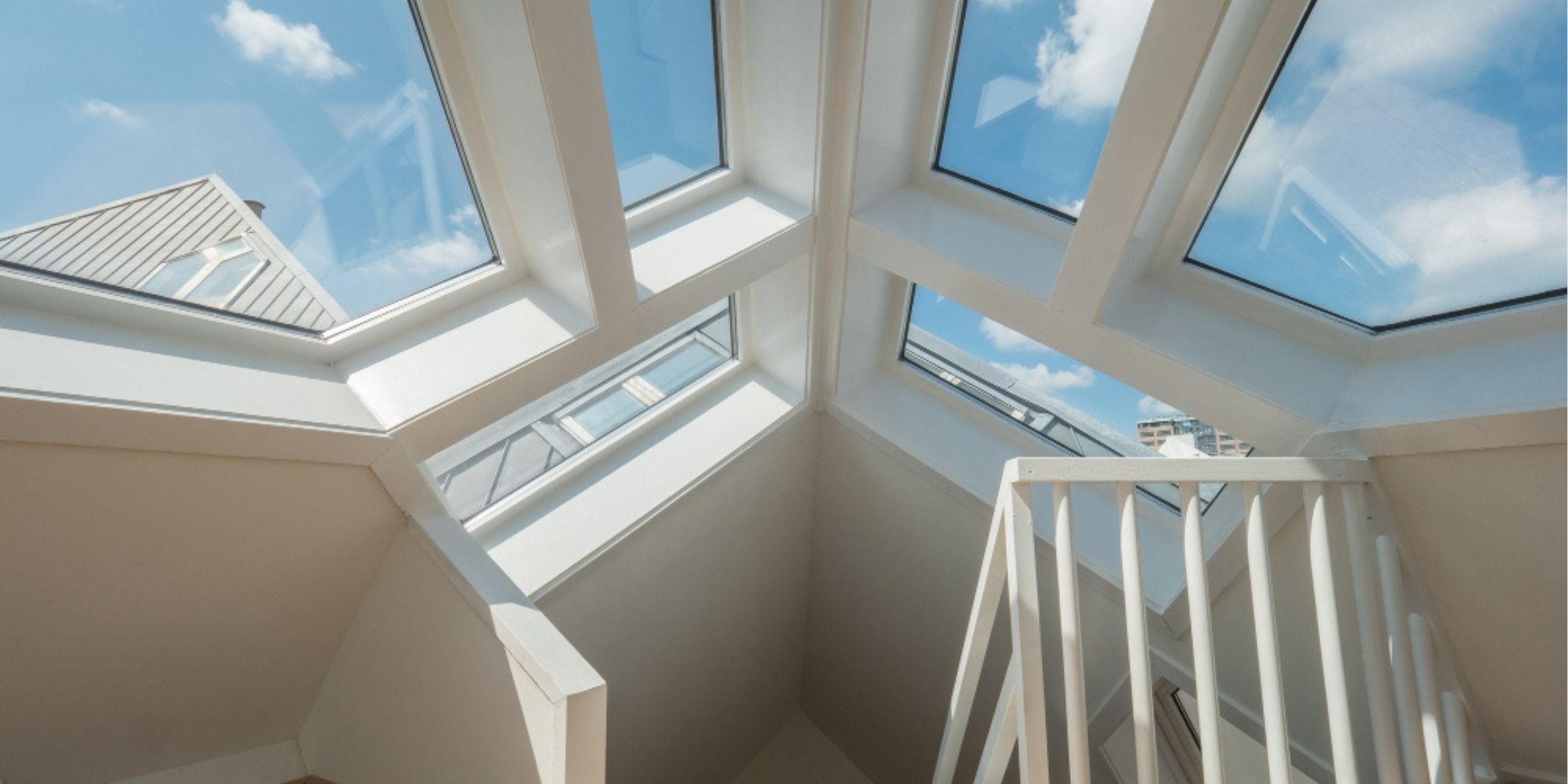
Adding daylighting architecture to older buildings is complex due to structural or material limits. Techniques such as solar tubes or glass partitions can enhance light flow without major reconstruction.
Managing Glare and Visual Comfort
Poorly designed daylight systems can cause glare and uneven brightness. Proper shading and balanced use of direct and diffuse light maintain comfort.
Ensuring Design Execution Matches Intent
Even strong daylighting strategies can fail during construction if details are missed. Coordinated design-build execution, like that provided by Claris Design•Build, ensures performance meets the original vision.
How Does Daylighting Impact Building Costs?
Cost is often top of mind for commercial owners. Here’s how daylighting in architecture affects your budget:
- Initial Investment: High-performance glazing, light-redirecting systems, and controls may increase upfront costs.
- Design-Build Advantage: Integrated architecture firms like Claris Design•Build streamline coordination, reducing inefficiencies and preventing costly redesigns.
- Long-Term Savings: Reduced lighting and HVAC loads lead to lower operating expenses.
- Added Value: Daylit spaces are more desirable to tenants, customers, and employees, enhancing property value and retention.
What Is the Most Common Failure in Daylight Strategies?
Even with the best intentions, many daylighting strategies fall short because of poor planning or lack of coordination between design and construction teams. When daylighting architecture isn’t integrated early in the process, buildings often fail to achieve the energy savings, comfort, or visual quality they were designed for.
Here are some of the most common pitfalls in architectural daylighting:
Lack of Early Integration
When daylighting is treated as an afterthought, it conflicts with structural systems, mechanical layouts, and finishes—limiting its effectiveness. Successful daylighting in architecture requires planning from concept to completion.
Improper Glazing Selection
Using the wrong glazing can lead to excessive heat gain, glare, or insufficient light transmission. Choosing the right glass type, tint, and coating is crucial for balancing daylight quality and thermal comfort.
Neglecting Shading and Glare Control
Without proper shading devices—like louvers, overhangs, or automated blinds—interior spaces can suffer from uneven brightness and occupant discomfort.
Overreliance on Artificial Lighting
Failing to integrate daylight-responsive controls means lights stay on even when daylight is sufficient, wasting energy and reducing potential savings.
Ignoring Reflective and Interior Surfaces
Dull or dark finishes can absorb light instead of distributing it, limiting the benefits of architectural daylighting within a space.
Frequently Asked Questions (FAQs)
How does daylighting differ from standard window placement?
Daylighting in architecture goes beyond simply adding windows. It’s a deliberate design approach that considers building orientation, glazing type, and light distribution to maximize natural illumination, comfort, and energy efficiency.
Can daylighting systems work with artificial lighting?
Yes. Modern daylighting architecture often integrates smart lighting controls that automatically dim or brighten fixtures based on available daylight—ensuring optimal lighting levels while reducing energy use.
What materials are most effective for daylighting in architecture?
High-performance glazing, reflective ceiling finishes, and light-colored interior surfaces are key materials in architectural daylighting. These elements help diffuse sunlight evenly throughout a space and minimize glare.
Is daylighting practical for large commercial or industrial buildings?
Absolutely. Daylighting strategies are ideal for offices, warehouses, schools, and retail environments. They enhance visibility, boost productivity, and support sustainability by cutting energy costs.
How can building owners improve existing spaces with daylighting?
Owners can retrofit older buildings by adding skylights, light tubes, or upgraded glazing. Adjusting interior finishes and introducing reflective surfaces also enhances daylight distribution without major structural changes.
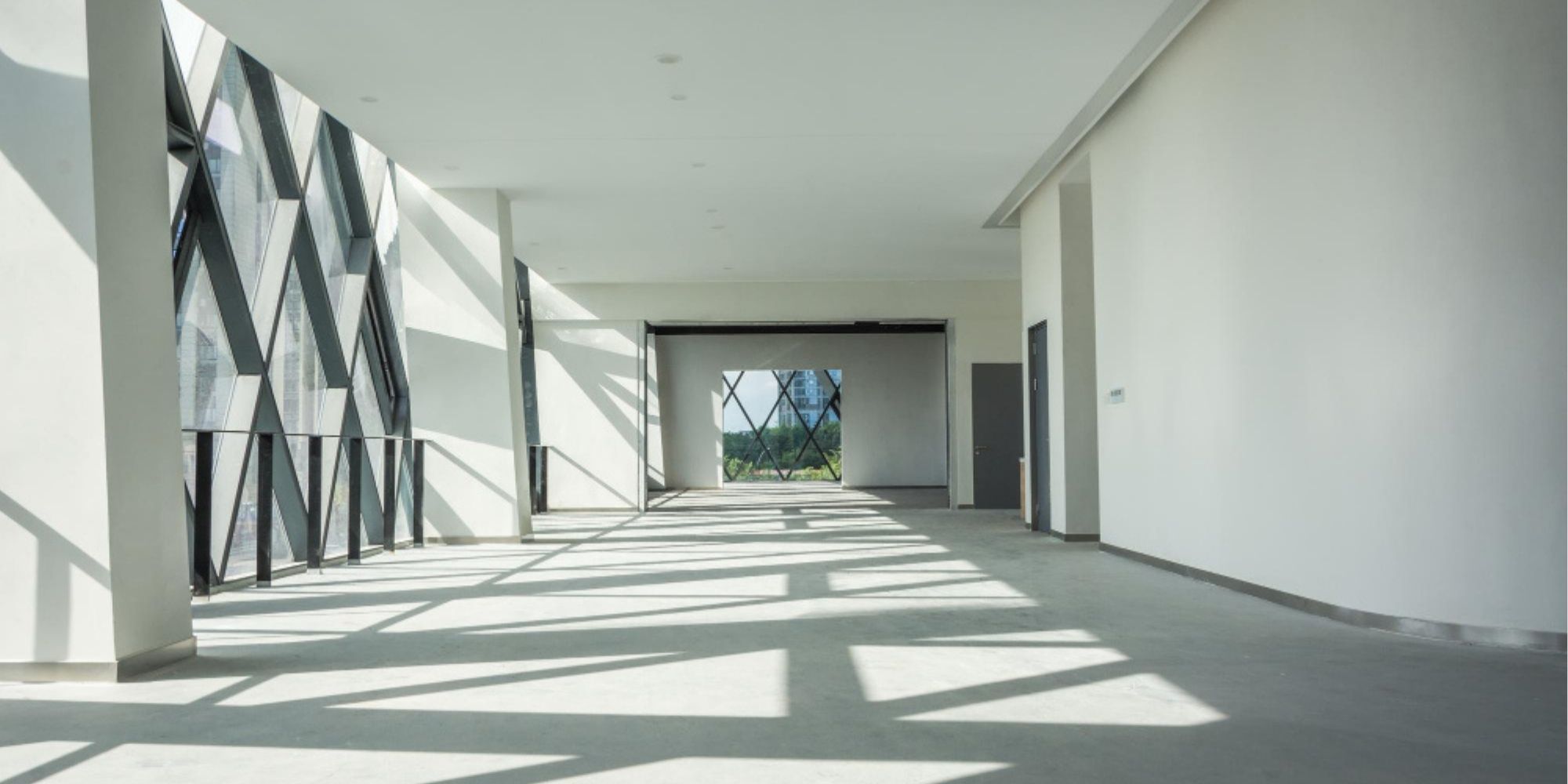
Partner with Claris Design•Build to Bring More Light Into Your Next Project
Ready to make your commercial space brighter, more efficient, and more inspiring? Partner with Claris Design•Build, where daylighting architecture meets expert craftsmanship. Our integrated team brings innovation, precision, and sustainability together—so every project shines in more ways than one.
