






What's in This Guide
- What Is a General Contractor?
- What Does a General Contractor Do?
- How Does a Contractor Differ From a General Contractor?
- Why Should You Hire a General Contractor?
- What Questions Should You Ask Before Hiring a General Contractor?
- How General Contractors Work With Commercial Architects
- Frequently Asked Questions
- Partner With Claris Design•Build for a Seamless Commercial Construction Experience!
Quick Facts
✔ A general contractor manages all aspects of a construction project, ensuring it’s completed on time, within budget, and to quality standards.
✔ They coordinate subcontractors, materials, permits, and schedules to keep every phase of construction running smoothly.
✔ A contractor handles one trade or task, while a general contractor oversees the entire project and manages all trades involved.
✔ Hiring a general contractor adds expertise, efficiency, and accountability that save time and reduce costly errors.
✔ Before hiring, it’s important to ask about experience, licensing, safety practices, and past project performance.
✔ General contractors and commercial architects work closely to align design and construction, ensuring the final project meets both vision and functionality.
A general contractor plays a central role in bringing any construction project to life. From coordinating crews to managing materials and timelines, they ensure that every part of the build comes together seamlessly. Whether it’s a small renovation or a large commercial development, having the right general contractor can make all the difference in achieving a successful outcome.
Here are the key details to understand about their role and why they’re essential in the construction process.
What Is a General Contractor?
A general contractor (GC) is a licensed professional or firm responsible for managing every stage of a construction project. They serve as the main point of contact between the client, architect, engineers, and all subcontractors involved.
Their goal is to keep the project running efficiently—from securing permits and sourcing materials to ensuring all safety standards are met. A general contractor connects every part of the process, making sure schedules, budgets, and quality expectations stay on track.
When people ask, “What is a general contractor?” they’re often surprised by how much planning, coordination, and communication the role requires.
In fact, studies show that 69% of project owners cite poor contractor performance as the leading cause of construction delays and underperformance. This highlights why having an experienced, organized general contractor is critical for project success.

What Does a General Contractor Do?
General contractors take on many roles. They manage construction schedules, coordinate specialized workers, and ensure everything meets safety and code requirements. When someone asks, “What does a general contractor do?” the answer includes a mix of planning, supervision, and leadership.
Key Responsibilities of a General Contractor
Understanding what general contractors do is essential to seeing how they keep a construction project organized and on track. Their responsibilities go far beyond simply managing a job site—they coordinate every moving part to ensure the entire process runs smoothly from start to finish.
- Project Management: A general contractor develops and updates project schedules, keeps budgets on track, and ensures deadlines are met. They oversee every phase, from design review to final inspections.
- Subcontractor Management: They hire and manage subcontractors such as electricians, plumbers, and painters. This ensures that each part of the project is completed by specialists with the right expertise. This is a key part of what general contractors do, as it ensures coordination between multiple trades.
- Logistics and Resources: The general contractor handles material orders, deliveries, and manpower planning so work continues efficiently without unnecessary delays.
- Quality and Safety: They ensure all work meets high-quality standards and complies with safety requirements set by organizations like OSHA.
- Permitting and Compliance: A general contractor secures all required permits and ensures the project follows building codes and legal regulations.
- Communication: Acting as the main point of contact for everyone involved, they make sure clients, architects, and tradespeople remain aligned throughout the project.
When clients ask, “What do general contractors do?”, it’s clear they do far more than build—they organize and protect the entire process.
How Does a Contractor Differ From a General Contractor?
Understanding the difference between a contractor and a general contractor is essential when planning a commercial project. Both play vital roles, but their responsibilities differ in scope. Knowing what does a contractor do compared to what does a general contractor do helps clarify how each contributes to a successful build.
Role of a Contractor
A contractor focuses on one specific trade, such as plumbing, roofing, or electrical work. Their main task is to complete a particular part of the project based on the general contractor’s direction. In short, what does a contractor do is provide skilled labor for one area of construction while ensuring their work meets overall project standards.
Role of a General Contractor
A general contractor manages the entire construction process—from scheduling and budgeting to quality control and communication. Compared to what does a contractor do, a general contractor oversees all trades, ensuring each phase aligns and the project finishes on time and within budget.
Example in Commercial Construction
In large commercial builds, Claris Design•Build often serves as both the general contractor and design-build partner. This approach unites design, permits, and construction under one experienced team, creating smoother communication, consistent quality, and a single point of accountability.
Why Should You Hire a General Contractor?
Hiring a general contractor brings major advantages to any construction project. Their combination of experience, organization, and accountability helps deliver a successful result with less stress for the client.
Expertise and Experience
A general contractor brings years of construction knowledge to each project. They know the local codes, understand best practices, and can foresee issues before they become expensive problems.
Efficiency and Cost Savings
When multiple trades work together without a clear leader, schedules often overlap, mistakes occur, and costs can rise quickly. With construction input prices increasing at an annualized rate of 9.7% through the first quarter of 2025, proper coordination has never been more important. A general contractor manages every moving part of the project to prevent delays, reduce waste, and control costs—keeping the entire construction process efficient and on schedule.
Risk Mitigation
Construction always carries risks—from weather delays to on-site injuries. A general contractor helps protect clients from these risks by managing insurance, enforcing safety standards, and handling unexpected challenges.
Streamlined Communication
Having one main contact for the entire project prevents confusion. The general contractor keeps everyone informed, reducing delays and ensuring that decisions happen quickly and clearly.
Quality Assurance
Through experience and detailed supervision, general contractors maintain high-quality workmanship and consistent standards.

What Questions Should You Ask Before Hiring a General Contractor?
Before hiring a general contractor, it’s important to ask the right questions. These help confirm that the general contractor has the experience, reliability, and resources needed to complete the project successfully.
- Are you licensed, bonded, and insured?
- What types of commercial projects have you completed before?
- How do you manage project scheduling and budgeting?
- What is your safety record?
- How do you coordinate with architects and engineers?
- Can you provide references from recent clients?
How General Contractors Work With Commercial Architects
The relationship between a general contractor and a commercial architect is one of the most important parts of any construction project. The architect creates the design vision, and the general contractor brings it to life.
In a traditional setup, architects and contractors often work separately, which can lead to miscommunication or delays. But in a design-build model, the architect and general contractor work together from the start.
At Claris Design•Build, the commercial architect and general contractor are part of the same team. This collaboration allows design and construction decisions to align early, reducing surprises and cost changes later.
It also gives clients one dedicated team from concept through completion—a smoother and more efficient experience overall.
Frequently Asked Questions
Is hiring a general contractor a smart investment?
Yes. Hiring a general contractor is often one of the best decisions for any commercial construction project. A skilled general contractor brings experience, organization, and accountability—helping avoid costly mistakes, delays, and compliance issues. They coordinate all subcontractors, manage schedules, and ensure the work meets professional and safety standards. In most cases, the efficiency and peace of mind they provide more than justify the investment.
Do general contractors need a license?
Yes. Most states require general contractors to be licensed, bonded, and insured. This ensures they meet professional standards, follow building codes, and have the qualifications to manage commercial construction safely and legally.
How much does it cost to hire a general contractor for a commercial project?
Costs vary depending on the project’s size and complexity. While hiring a general contractor adds management costs, it often saves money overall by preventing mistakes, avoiding delays, and keeping budgets organized.
Can a general contractor also design the building?
Yes. In a design-build firm like Claris Design•Build, the commercial architect and general contractor work together under one contract, streamlining communication and improving efficiency from design through construction.
What should I look for when choosing a general contractor?
Choose a general contractor with experience, a strong safety record, and good communication. Look for transparency about costs and timelines, and check references from past clients to ensure quality and reliability.
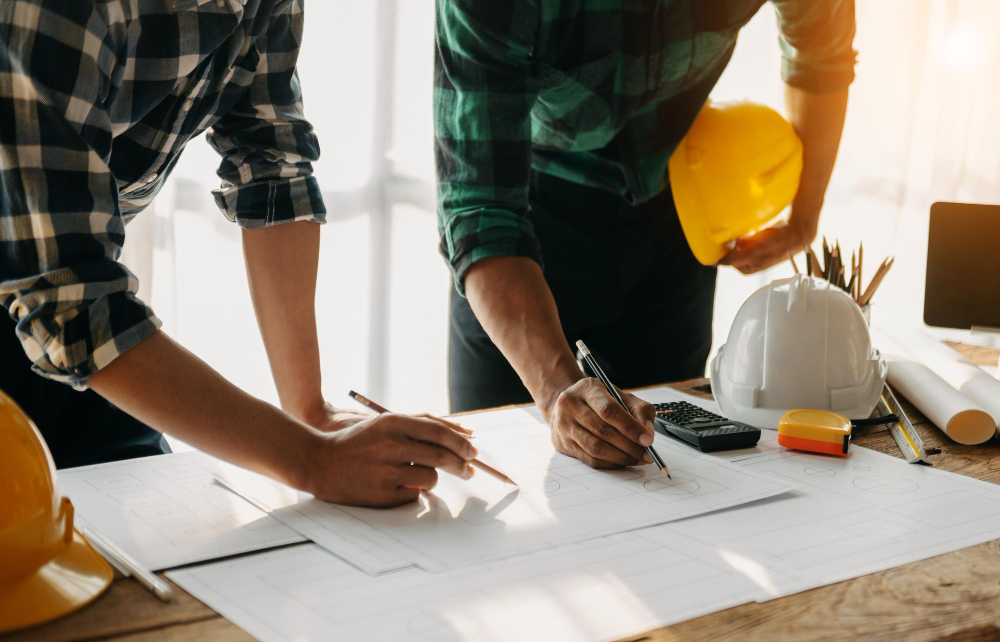
Partner With Claris Design•Build for a Seamless Commercial Construction Experience!
From concept to completion, Claris Design•Build oversees every phase of commercial construction with precision and expertise. Their integrated design-build model brings architects, engineers, and construction professionals together under one trusted provider, ensuring clear communication, efficient timelines, and high-quality results that reflect each client’s vision and goals.
Safety is more than a talking point at Claris Design•Build. With an insurance safety modification rate of 0.98, they rank among the best in the industry. While many firms claim to prioritize safety, Claris demonstrates it in every decision and on every job site.
Start your next commercial project with confidence — contact Claris Design•Build today.
