




Key Takeaways
✔ Define the project vision by gathering goals, needs, and constraints to guide early planning.
✔ Explore and assess design options to understand their impact on budget, timeline, and feasibility.
✔ Confirm the final approach and execute a detailed contract to move the project into execution.
✔ Carry out construction using coordinated teams to bring the building to life efficiently and accurately.
✔ Complete a final walkthrough to review the finished facility and address any last adjustments before handoff.
The business building process involves a series of well-planned phases that take a project from initial vision to a fully completed facility. Each step ensures the final result meets both functional needs and long-term goals. From early planning to final delivery, the process is structured to keep projects on track, on budget, and aligned with expectations.
Here are the key steps in the business building process, from planning to final walkthrough.
How the Business Building Process Works
1. Discovery
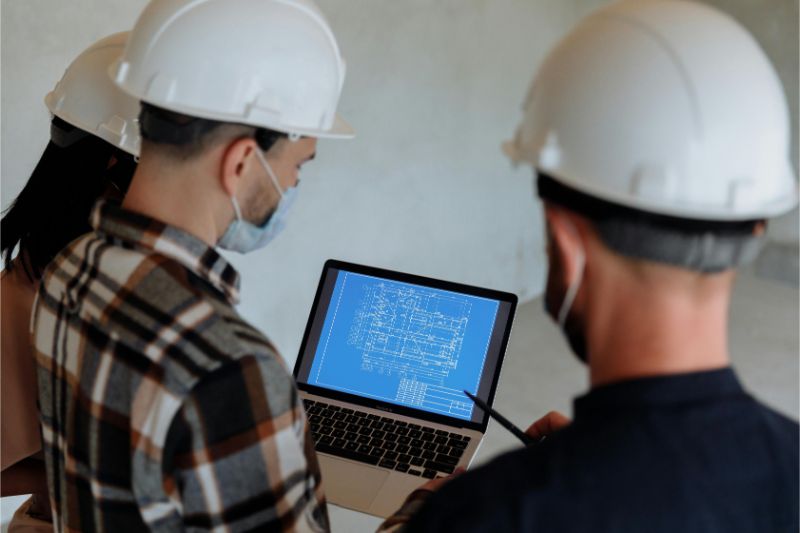
The discovery phase is the essential starting point in the business building process. This is where the project team and client work closely to understand the full scope, setting the stage for a well-aligned and successful outcome.
Understanding the Client’s Vision
Gaining a clear understanding of the client's vision allows the project team to plan with purpose and precision. It ensures the building is designed to support the real needs of the business from day one.
- Project Goals and Purpose: The team learns how the building will be used—whether it's for offices, manufacturing, or retail operations. This ensures the structure, layout, and features align with business objectives.
- Key Priorities: The client may prioritize budget control, speed of delivery, or long-term energy savings. Knowing this early helps shape cost-effective strategies for how to budget for a new business building.
- Site Considerations: Details such as zoning regulations, property size, and local restrictions are taken into account right away. Factoring these in allows the team to avoid design limitations and unexpected costs later.
Asking The Right Questions
Effective planning starts with the right questions. These early conversations often reveal needs or challenges the client hadn't yet considered.
- Functional Needs: The team evaluates how the building must support daily operations, such as workspace layout or equipment flow. This allows for smart design choices that improve efficiency and comfort.
- Aesthetic Preferences: Clients share their vision for the building’s appearance, including exterior materials, finishes, and design tone. This is where the team can also guide on what materials are best for modern business buildings.
- Growth Plans: Whether future expansion is expected or just a possibility, it’s discussed up front. This ensures the building can grow with the business and avoids costly redesigns later.
Creating Conceptual Sketches
Sketches offer the first visual translation of the client’s vision. They provide a simple but effective way to see how vision and function come together in real space.
- Design Visualization: Clients can view how their building might look and feel before formal plans are developed. It helps them give feedback on layout, flow, and visual appeal early on.
- Exploration of Ideas: Different design concepts are sketched out to explore how well they match the project’s goals. This also opens up early discussions about how long does it take to complete a business building project based on complexity.
- Practical Adjustments: Sketches help identify design conflicts or limitations early in the process. These visuals make it easier to discuss changes and decide what materials are best for modern business buildings.
2. Pre-Construction Workup
At this stage in the business building process, early sketches from the discovery phase are developed into workable options. It’s where design preferences are balanced with budget, timeline, and buildability—an essential part of answering: What are the key steps in the business building process?
Reviewing Design Options
At this point in the business building process, each design option from discovery is reviewed to refine direction. This helps define scope and align plans with goals, budget, and buildability.
- Design Adjustments Based on Input: Initial sketches are updated to reflect site layout and build limits. This keeps the project realistic and aligned with construction needs.
- Feasibility Considerations: Codes, zoning, and structural needs are checked early to confirm buildability. Catching issues now helps avoid delays and costly changes.
- Alignment with Business Goals: Designs are reviewed for workflow, branding, and customer experience. This ensures the space supports long-term business success.
Budget and Schedule Analysis

A common question at this stage is: How to budget for a new business building? With 98% of megaprojects facing delays or going over budget, the pre-construction workup provides clear cost estimates, value comparisons, and timelines.
- Cost Breakdown Per Option: Each design direction receives a full cost estimate, including materials, labor, and fees. This transparency helps in comparing options and planning long-term investments.
- Value vs. Investment: Options are reviewed not just for price but for quality, durability, and ROI. This ensures that decisions reflect true value and not just short-term savings.
- Timeline Projections: Clear phase-by-phase schedules are developed to answer how long it takes to complete a business building project and to manage expectations early.
Material Selection and Evaluation
Building materials have a big impact on the quality, cost, and appearance of the construction project. Many businesses at this point ask: What materials are best for modern business buildings? Design-build firms answer this by evaluating choices for both performance and value.
- Performance and Durability: Experts work with the client to determine what materials are best for modern business buildings. Materials are selected based on how well they handle daily wear, weather, and structural demands. Durable options mean fewer repairs and a longer building life.
-
- Exterior Materials: Steel, concrete, and metal panels are chosen for strength and weather resistance. These reduce long-term maintenance costs and improve building lifespan.
- Interior Systems: Mechanical, electrical, and plumbing systems are planned for energy efficiency and comfort. Smart system choices lead to long-term savings.
- Modern Aesthetic and Branding: Finishes and surfaces are chosen to reflect the company’s look and feel. A strong visual presence supports brand identity and customer experience.
- Cost-Efficiency: The team evaluates both short-term price and long-term energy efficiency. Smart choices here can lead to significant savings over time.
Decision Support and Documentation
A key question in the process is knowing how long it takes to complete a business building project. For this, it’s crucial to note that the business building process moves forward only after clear decisions are made and fully documented. This ensures smooth handoff to the next stage and keeps everyone aligned.
- Comparison Reports: Each proposed option is laid out in an easy-to-read format showing differences in cost, time, and feasibility. These summaries help business leaders weigh the best path forward.
- Client Review and Feedback Loop: Expert guidance is provided during plan reviews to clarify details and gather input. Open communication ensures the selected direction fits the project vision.
- Preparation for Contracting: Once the preferred approach is confirmed, detailed notes and specifications are prepared. This documentation helps streamline the contract and construction planning phases.
3. Confirmation & Contract
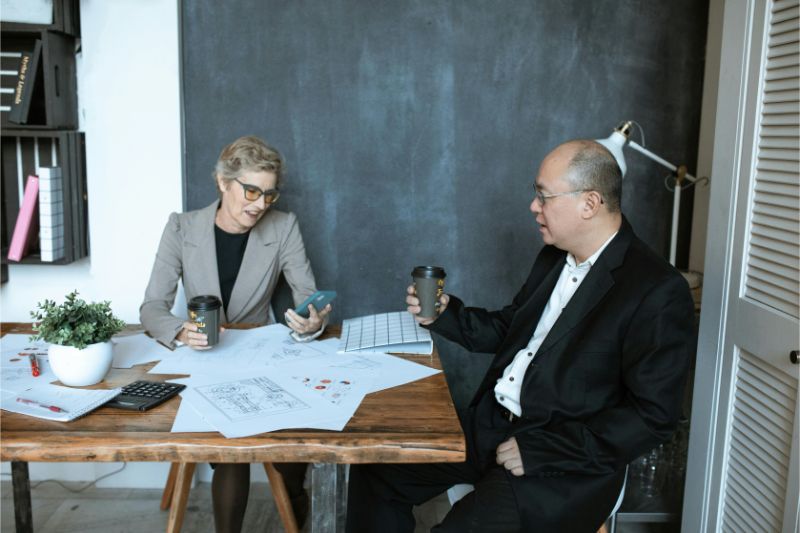
At this stage, the project moves from planning to execution. Final decisions are made, and a clear plan is set to guide the build. In understanding what are the key steps in the business building process, this phase is crucial for aligning all stakeholders, confirming expectations, and ensuring the project is ready for a smooth construction launch.
Finalizing the Project Plan
Before any contract is signed, the project details must be locked in. Every decision is revisited and confirmed to prevent costly changes down the road.
- Confirm Design Choices: The team reviews the approved conceptual sketches and confirms design layouts, space planning, and building flow. This helps ensure the facility aligns with the business's goals, needs, and future growth.
- Validate Budget and Timeline: Budget estimates are refined using real data and updated projections for labor and materials. By doing so, clients can feel more confident about knowing how to budget for a new business building.
- Finalize Construction Methods: The approach to construction is reviewed, including site access, building systems, and structural techniques. These decisions impact both the efficiency of the build and the long-term performance of the facility.
Drafting the Contract
The formal agreement outlines how the building will be designed and constructed. It provides a detailed map of what will happen, when, and how.
- Scope of Work: A full list of tasks is detailed, including what’s being built, what’s not, and what’s optional. This sets clear boundaries and avoids miscommunication during construction.
- Timeline Milestones: Key dates are identified, including site prep, major structural phases, and inspections. These checkpoints help business owners understand how long it takes to complete a business building project.
- Payment Schedule: Payments are tied to progress milestones and clearly stated in the contract. This allows for better cash flow management and sets expectations for when funds will be due.
Beginning Value Engineering
In understanding what are the key steps in the business building process, certain capabilities are crucial to maximize value. Value engineering is the process of refining the project for efficiency without cutting corners. It’s about strategic decisions that stretch the budget while preserving value.
- Subcontractor Planning: The team begins sourcing reliable subcontractors and getting competitive bids. Early coordination reduces delays and improves cost predictability.
- Timeline Coordination: Tasks are scheduled with careful attention to order, dependencies, and site readiness. This keeps the build running smoothly and helps avoid wasted time on-site.
Final Project Contract With Execution Plan
Once everything is confirmed, a detailed contract is delivered. It outlines how the entire process—from breaking ground to the final walkthrough—will be managed.
- Comprehensive Documentation: The contract includes designs, schedules, responsibilities, material lists, and quality standards. This becomes the master plan that the entire team follows throughout the project.
- Client Confidence and Protection: With all terms clearly defined, the client can move forward with peace of mind. It also serves as a legal agreement that protects both sides in case of changes or disputes.
4. Construction
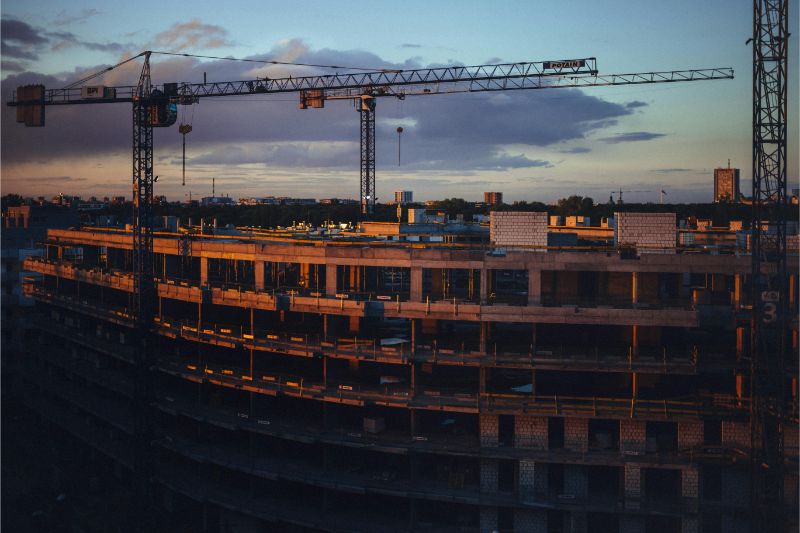
Once the planning is finalized and contracts are in place, construction begins. This is where the project turns from sketches and plans into a real, working building. The construction phase brings together architects, engineers, and builders to work as one team under a unified process.
Design-Build Collaboration
In a design-build setup, all professionals involved in the project are part of the same team. This means there’s better communication, fewer delays, and faster problem-solving.
- Single-Source Responsibility: One team handles both design and construction, keeping everything in sync. This reduces delays and miscommunication throughout the project.
- Faster Turnaround: Architects and contractors collaborate from the start, allowing for quick decision making. This often shortens timelines and speeds up delivery.
- Better Budget Control: Design choices are reviewed with real cost data to avoid surprises. This helps manage finances for businesses wanting to know how to budget for a new business building more effectively.
Building to Plan
The construction phase sticks closely to the plan set in the contract. Every aspect is scheduled, tracked, and reviewed to ensure the building matches the intended goals.
- Project Management Oversight: A construction manager keeps daily work on track with the master schedule. This includes handling permits, deliveries, inspections, and crew coordination.
- Quality Control Checks: Ongoing inspections ensure materials and workmanship meet safety and code standards. Early issue detection helps prevent delays and added costs.
- Real-Time Adjustments: The team quickly responds to site or design changes as they arise. Fast action keeps the schedule and budget on track.
5. Final Walkthrough

The final walkthrough marks a crucial point in the business building process. It ensures the finished facility meets all goals and quality standards, while allowing for any last adjustments before closeout. As the last step, it answers the question of what are the key steps in the business building process by confirming project completion.
Purpose of the Final Walkthrough
This step is designed to protect the client’s investment and make sure the building is ready for use. It also ensures all work has been completed according to contract specifications.
- Review of Project Scope: Confirms that all design elements, layout features, and functional goals were fully met. The client and the builder revisit key project goals to ensure nothing was missed.
- Detailed Visual Inspection: Each area of the building is examined to confirm quality workmanship, proper finishes, and overall appearance. This helps identify any flaws or overlooked details.
- Testing of Systems: All mechanical systems, like HVAC, lighting, and plumbing, are tested for proper operation. Any irregularities are documented for immediate correction.
- Client Feedback Opportunity: The client is encouraged to walk through and share any concerns or observations. This ensures their voice is heard before final sign-off.
- Creation of Punch List: A list is created to document any issues needing correction or completion. These items are typically minor but must be addressed before handover.
Common Items on the Punch List
The punch list is a checklist of minor items that still need attention before project handoff. These items are usually quick fixes but essential to ensuring a high-quality outcome.
- Cosmetic Touch-Ups: Minor blemishes like wall scuffs, chipped paint, or uneven caulking are marked for fixing. These small details affect the building’s overall finish and presentation.
- Fixture Adjustments: Misaligned doors, cabinet handles, or loose fixtures are corrected to meet design standards. These adjustments improve both function and appearance.
- System Calibrations: Heating and cooling systems may need fine-tuning for optimal performance. Proper calibration ensures energy efficiency and user comfort.
- Safety Checks: Emergency systems such as exit signs, smoke detectors, and fire alarms are tested for full functionality. These checks are crucial for code compliance and occupant safety—especially as construction fatalities rose by 11% from 2021 to 2022. These risks underscore the value of working with safety-focused teams like Claris Design•Build, which holds a 0.98 safety modification rate, one of the best in the industry.
Final Documentation and Sign-Off
Once all punch list items are resolved, both parties complete the final paperwork to close out the project. This includes warranties, maintenance schedules, and occupancy approvals.
- Warranty Information: Documentation is provided that outlines warranty terms for materials, systems, and installed equipment. This gives the client peace of mind after occupancy begins.
- Maintenance Guidelines: A guide is supplied with recommended care procedures for all major building systems. Following these helps extend the life of the facility.
- Final Approvals and Permits: Required inspections are completed, and permits are cleared to confirm the building is safe and ready for use. These approvals are often needed before moving in.
- Client Acceptance Form: The final sign-off form confirms that the building meets all project requirements. It marks the official transfer of responsibility from builder to owner.
Frequently Asked Questions
What are the stages of a construction project?
The main stages of a construction project include planning, design, pre-construction, construction, and post-construction. Each phase has specific goals, from setting budgets to finishing the actual build. Together, they ensure the project moves smoothly and stays on track. These stages also help manage time, resources, and risks throughout the process.
What are the stages of building construction?
The stages of building construction typically follow a clear order to ensure safety, efficiency, and quality. It starts with site marking and excavation, followed by foundation work, which forms the structural base. Next comes framing, then brick or block masonry to shape walls and support structures. After that, roofing is installed, followed by flooring, and finally finishing work like painting, electrical, plumbing, and fixtures. This step-by-step process ensures the building is completed from the ground up, both structurally and functionally.
What is a construction workflow?
A construction workflow is the step-by-step sequence of tasks required to complete a project. It outlines who does what, when, and in what order. This helps avoid delays and improves coordination across teams. Clear workflows also support better communication and quality control.
What is a construction timeline?
A construction timeline is a detailed schedule that shows how long each phase of a building project will take. It includes start and end dates for every major task. Timelines help keep everyone aligned and track progress along the way. A realistic timeline is essential for avoiding costly delays.
What are the four main phases in any construction project?
The four main phases in any construction project are Planning, Preconstruction, Construction, and Close-Out. The Planning Phase involves defining goals, budgeting, and creating timelines. Preconstruction focuses on design finalization, permitting, and selecting contractors. The Construction Phase is where the actual building takes place, while the Close-Out Phase wraps up the project with inspections, handover, and final approvals. Each phase builds on the last to ensure the project stays on track and meets expectations.
Start Building With Confidence!
Claris Design•Build delivers full-service commercial construction with a focus on quality, collaboration, and efficiency. With deep experience across industries like healthcare, manufacturing, nonprofits, auto dealerships, and more, Claris Design•Build guides every phase—from planning and design to final walkthrough.
As a trusted design-build provider and award-winning Butler dealer, Claris Design•Build brings together architecture, engineering, and construction under one roof for a smooth, focused project delivery.
Contact Claris Design•Build today to move forward with your next project!
