





A 40x60 metal building offers 2,400 square feet of versatile space, making it an ideal choice for commercial companies seeking cost-effective and durable construction solutions. Whether for warehouses, offices, or mixed-use facilities, understanding the customization options and cost factors is crucial for informed decision-making.
Table of Contents
Key Takeaways
What is a 40x60 Metal Building Size?
7 Key Benefits of Choosing a 40x60 Steel Building
1. Exceptional Durability
2. Cost-Effectiveness
3. Design Flexibility
4. Speed of Construction
5. Energy Efficiency
6. Sustainability and Environmental Responsibility
7. Safety Enhancements
Customization Options for Steel Kits
Commercial & Agricultural Uses of a 40x60 Metal Building
40x60 Metal Building Cost Breakdown
Factors Influencing Final Pricing
Frequently Asked Questions
Build Smarter with Claris!
Key Takeaways
✔ Steel buildings are weather-resistant, rust-proof, and can last 40–60 years with minimal maintenance.
✔ Lower material and labor costs, reduced upkeep, and faster construction offer a quicker return on investment.
✔ Easily customizable layouts and exteriors make the structure suitable for diverse commercial needs.
✔ Prefabricated components and smaller labor crews enable rapid on-site assembly with minimal delays.
✔ High-R-value insulation and reflective roofing help reduce heating and cooling expenses.
✔ Steel is 100% recyclable, and prefabrication minimizes waste and environmental impact.
✔ Non-combustible steel resists fire, pests, and structural deterioration, offering long-term protection.
What is a 40x60 Metal Building Size?
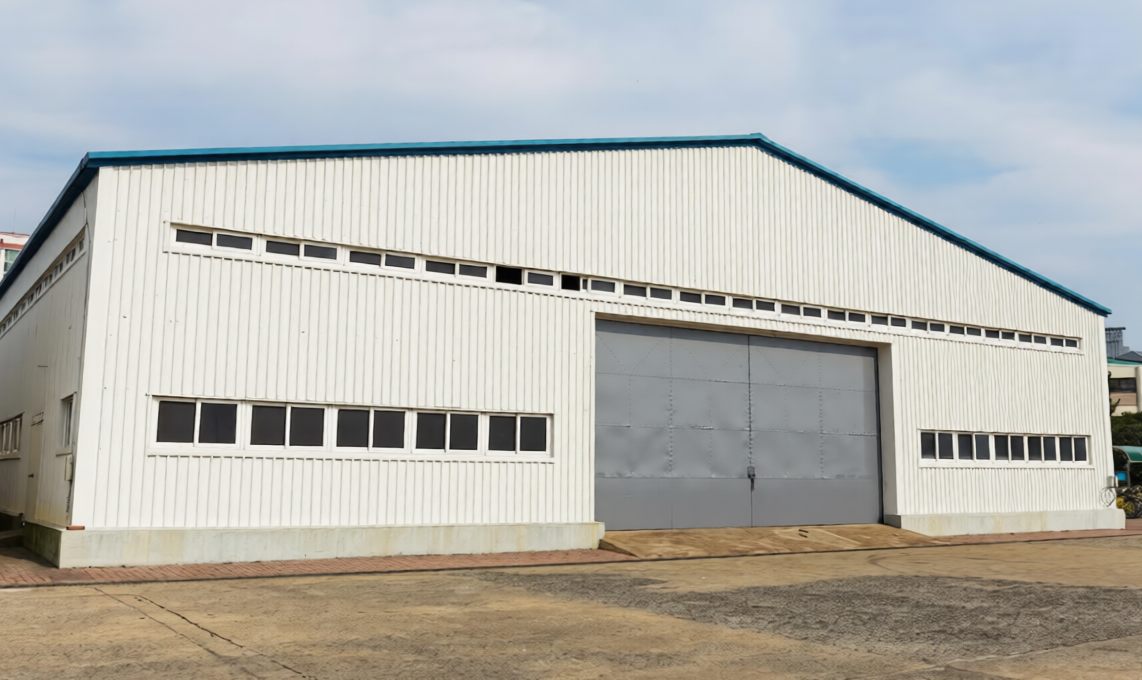
A 40x60 metal building is one of the most popular standard sizes for commercial use. Its rectangular footprint offers optimal functionality, especially when paired with a clear-span design that eliminates the need for interior support columns. This structure is highly adaptable and scalable, making it an excellent long-term asset for commercial operations.
Common Commercial Applications
- Warehouses: Easily store bulk inventory, raw materials, or tools. The open layout supports forklifts, shelving units, and loading bays. A 40x60 metal building with living quarters can also serve dual purposes—offering onsite accommodation alongside warehousing operations.
- Offices: Supports open floor plans for collaborative workspaces or can be subdivided into private offices, conference rooms, and break areas.
- Retail Spaces: Offers ample square footage for product displays, checkout stations, and customer browsing areas. Ideal for standalone or strip-mall settings.
- Workshops or Production Areas: Accommodates heavy machinery, assembly lines, or fabrication zones. The steel structure provides durability for demanding environments.
- Storage Facilities: Can be configured with multiple access points or roll-up doors for easy entry. Useful for equipment, fleet, or archive storage.
- Flex Spaces: Combines multiple functions such as a front-end showroom with a rear-end distribution area—perfect for hybrid business models.
7 Key Benefits of Choosing a 40x60 Steel Building
Steel buildings continue to grow in popularity for commercial use due to their durability, cost-effectiveness, and design flexibility. By 2025, prefabricated steel building consumption in the Americas is expected to reach 23.2 million tons, underscoring the demand and trust in this construction method.
Opting for a 40x60 metal building delivers a wide range of advantages that extend far beyond basic durability and affordability. For commercial companies, these benefits translate into smarter investments, more efficient operations, and long-term structural value.
1. Exceptional Durability
- Weather Resistance: Steel buildings are engineered to withstand high winds, heavy snow loads, seismic activity, and extreme temperature fluctuations. This resilience ensures operational continuity even in regions with harsh or unpredictable weather patterns.
- Longevity: With proper maintenance, a 40x60 metal building can last 40–60 years or more without structural degradation. This long lifespan provides outstanding value for long-term infrastructure planning.
- Corrosion Protection: Galvanized or coated steel resists rust, even in humid or coastal environments. Advanced protective finishes extend the building’s integrity and reduce the need for expensive replacements or repairs.
2. Cost-Effectiveness
- Lower Initial Investment: Compared to wood or brick construction, steel buildings typically have lower material and labor costs. This allows businesses to allocate capital toward operations or other growth-related expenses.
- Reduced Maintenance Costs: Minimal upkeep is required—no repainting, no rot repair, and no pest damage. Fewer maintenance demands translate into long-term budget stability and reduced overhead.
- Faster ROI: Shorter construction timelines allow businesses to operate sooner and start generating revenue faster. This accelerated return makes steel buildings a smart financial strategy for time-sensitive commercial developments.
3. Design Flexibility
- Modular Expansion: Businesses can expand operations easily by adding to the structure without major redesigns. This adaptability is ideal for growing enterprises needing phased development.
- Layout Options: The clear-span interior supports various configurations—ideal for warehousing, offices, or hybrid uses. These design elements help maintain aesthetic appeal while meeting zoning or branding requirements.
- Exterior Customization: Metal panels, stucco finishes, faux stone, and other cladding options provide design freedom. These design elements help maintain aesthetic appeal while meeting zoning or branding requirements.
4. Speed of Construction
- Prefabricated Components: Kits are pre-engineered and pre-punched, enabling fast on-site assembly. This streamlined approach helps avoid common construction delays and cost overruns.
- Less Downtime: Commercial projects experience fewer delays due to standardized components and simplified installation processes. This enables quicker business launches and minimizes operational disruptions.
- Labor Efficiency: Smaller crews can complete the project in less time compared to traditional construction. Reduced labor needs also lower associated safety risks and compliance complexities.
5. Energy Efficiency
- Insulation Compatibility: Metal buildings easily accommodate high-R-value insulation systems, reducing heating and cooling demands. Proper insulation helps maintain internal comfort and lowers energy bills throughout the year.
- Cool Roof Options: Reflective coatings on steel roofs reduce heat absorption, cutting down on energy bills in hot climates. These coatings also extend roof lifespan by mitigating thermal expansion and UV degradation.
6. Sustainability and Environmental Responsibility
- Recyclable Materials: Steel is 100% recyclable, reducing the building’s environmental footprint. Research shows that buildings using prefabricated walls can reduce construction waste by up to 12.22% and energy consumption by 8.33%, water usage by 11.67%.
- Clean Construction: Prefabrication limits job-site waste and reduces resource consumption compared to conventional methods. This streamlined process also minimizes noise, dust, and disruption—beneficial for urban or environmentally sensitive locations.
7. Safety Enhancements
- Fire-Resistant: Steel structures are non-combustible, providing superior protection for equipment and personnel. This significantly lowers the risk of property loss and may contribute to lower insurance premiums.
- Pest-Proof: Unlike wood, steel is impervious to termites and rodents, reducing health and maintenance concerns. It also eliminates the need for ongoing chemical pest treatments, enhancing safety and environmental health.

Customization Options for Steel Kits
Customizing a 40x60 metal building allows commercial enterprises to tailor the structure to specific operational needs. These customization features help businesses transform a standard 40x60 metal building into a purpose-driven facility that reflects their operational and aesthetic goals. Below are key customization options to consider:
Framing Systems
- Clear-Span Frames: Provide unobstructed interior space, ideal for warehouses or large equipment storage. This option maximizes floor plan flexibility, making it easier to rearrange or repurpose interior layouts over time.
- Modular Frames: Include interior columns, suitable for partitioned spaces like offices or retail sections. This framing style is also especially beneficial in a 40x60 metal building with living quarters, where separate residential and commercial areas may require distinct load and layout considerations.
Roof Styles
- Gable Roof: Traditional pitched roof offering efficient water runoff. It also supports a balanced aesthetic for commercial or agricultural environments and is easy to insulate.
- Single Slope Roof: Sloped in one direction, beneficial for snow and water drainage. This style is ideal for structures built next to existing buildings or where drainage flow control is necessary.
- Monitor Roof: Features a raised center section, allowing for additional natural light and ventilation. It’s commonly used in workshops or manufacturing plants to reduce the need for artificial lighting.
Exterior Finishes
- Color Options: Wide range of colors to match corporate branding. Custom color schemes can enhance visual appeal and help distinguish your business from competitors.
- Materials: Choices include metal panels, brick veneer, or stucco finishes for aesthetic appeal. These options can be combined for a modern or traditional look while meeting zoning or neighborhood requirements.
Doors and Windows
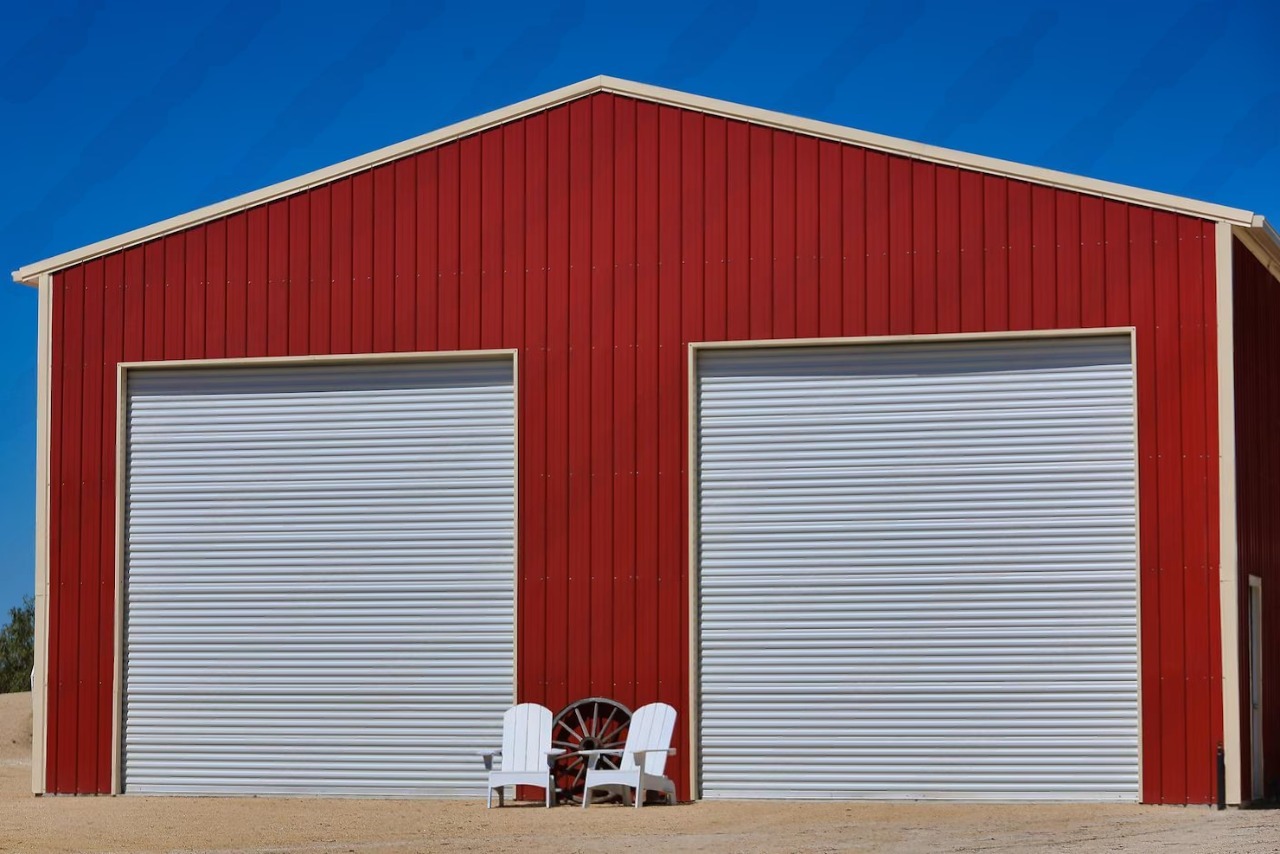
- Roll-Up Doors: Suitable for loading docks or vehicle access. They are available in various sizes and can be automated for improved security and operational ease.
- Walk-In Doors: Standard entry points for personnel. These can be customized with panic bars, insulation, and security locks for specific business needs.
- Windows: Various sizes and styles to enhance natural lighting and exterior appearance. Incorporating energy-efficient windows also contributes to indoor comfort and utility savings.
Insulation Options
- Bubble Insulation: Lightweight and easy to install, providing basic thermal protection. It also acts as a vapor barrier, helping prevent condensation issues in high-humidity environments.
- Spray Foam Insulation: Offers superior energy efficiency and air sealing properties. This option reduces energy consumption over time and supports climate control for sensitive operations.
Commercial & Agricultural Uses of a 40x60 Metal Building
A 40x60 metal building offers 2,400 square feet of versatile, unobstructed space, making it an ideal choice for various commercial and agricultural applications. Its adaptability allows businesses and agricultural operations to customize the space according to specific needs.
These diverse applications demonstrate the 40x60 metal building's capacity to serve various commercial and agricultural needs, offering a cost-effective and durable solution for businesses and farms alike.
Commercial Applications
- Auto Repair Shops: The spacious interior accommodates multiple service bays, vehicle lifts, and storage for tools and parts. The clear-span design facilitates efficient workflow and customer service areas.
- Retail Outlets: Ideal for standalone stores or strip-mall settings, the open layout supports flexible merchandising and customer flow. Customizable facades and entrances enhance curb appeal.
- Office Spaces: The building can be partitioned into private offices, conference rooms, and collaborative work areas. The structure supports HVAC systems and modern office amenities.
- Distribution Centers: With ample space for inventory storage and logistics operations, the building supports efficient supply chain management. High ceilings accommodate racking systems and material handling equipment.
- Event Venues: The open floor plan is suitable for hosting events, conferences, or community gatherings. Acoustic treatments and lighting systems can be integrated as needed.
Agricultural Applications
- Equipment Storage: Protect tractors, harvesters, and other machinery from the elements. The building's durability ensures long-term protection for valuable equipment.
- Livestock Shelters: Provide safe and comfortable housing for animals. The structure can be customized with ventilation, insulation, and feeding systems.
- Hay and Feed Storage: Store large quantities of hay, grain, or feed in a dry and secure environment, preserving quality and preventing spoilage.
- Workshops: Set up repair shops or maintenance areas for equipment and vehicles. The building supports heavy-duty tools and machinery.
- Processing Facilities: Use the space for sorting, packaging, or processing agricultural products. The structure can be outfitted with necessary utilities and sanitation systems.
40x60 Metal Building Cost Breakdown
1. Base Building Kit
- Steel building kit only: Typically averaging around $40,800, depending on the manufacturer and included features. This base figure serves as a starting point for estimating the 40x60 metal building cost.
- Installed turnkey cost: For a fully erected building, costs can range between $57,600 and $91,200, which includes kit, slab, and erection. These all-in 40x60 metal building prices reflect a more accurate scope for those seeking a complete, ready-to-use structure.
2. Foundation
A 6-inch-thick concrete slab foundation is commonly used, with costs averaging around $14,400, though this can vary based on location and site conditions. Factoring this in is essential when calculating the total 40x60 metal building cost.
3. Customization Options
- Insulation: Essential for energy efficiency, insulation costs can range from $2,400 to $6,600, depending on the type and quality chosen.
- Doors and Windows: Adding doors and windows enhances functionality and aesthetics. Basic installation cost ranges from $300 to $1,000, while more complex options range from $1,000 to $3,000.
4. Labor
Hiring professionals for assembly typically adds $7 to $12 per square foot to the overall cost. Labor expenses significantly influence 40x60 metal building prices, especially for larger or more complex projects.
Disclaimer: The 40x60 metal building prices mentioned above are estimates and can vary based on factors such as location, material costs, customization choices, and specific project requirements. For accurate and detailed pricing tailored to your project, it's recommended to consult with professionals like Claris, who specialize in comprehensive design-build services.
Factors Influencing Final Pricing
Understanding the various factors that influence the final pricing of a 40x60 metal building is crucial for effective budgeting and project planning. These elements can significantly impact the overall cost, and being aware of them helps in making informed decisions.
1. Geographic Location
- Regional Labor Rates: Labor costs vary by region due to differences in wage standards and the availability of skilled workers. In high-demand metro areas, labor shortages may further inflate costs and extend project timelines.
- Building Codes and Permits: Local regulations and permit requirements can affect both the design and cost of the building. Some municipalities require engineering stamps, architectural drawings, or energy code compliance, which can add complexity.
- Climate Considerations: Areas prone to extreme weather may necessitate additional structural reinforcements, influencing material and construction costs. This includes wind bracing, snow load enhancements, or upgraded insulation depending on local environmental conditions.
2. Material Costs
- Steel Price Fluctuations: The cost of steel can vary based on market demand, supply chain disruptions, and global economic factors. Even small fluctuations in steel prices can significantly impact the total project cost for larger buildings.
- Quality of Materials: Opting for higher-grade materials enhances durability but may increase upfront costs. Premium coatings and finishes also boost longevity and reduce future maintenance expenses.
3. Design Complexity
- Customized Designs: Unique architectural features or non-standard layouts require additional engineering and materials, impacting the overall budget. Custom configurations may also require more detailed construction documents and longer lead times.
- Structural Additions: Incorporating elements like mezzanines, overhangs, or specialized roofing systems adds to the complexity and cost. These features often involve added engineering calculations and increased fabrication precision.
4. Permitting and Compliance
- Permit Acquisition: The process of obtaining necessary permits can involve fees and time, varying by jurisdiction. Permit delays can stall construction start dates and add to holding costs.
- Compliance with Regulations: Ensuring the building meets local codes may require additional inspections or modifications, affecting the timeline and budget. This includes fire codes, ADA accessibility, seismic design, and energy efficiency standards.
5. Site Preparation
- Land Clearing and Grading: Preparing the site for construction involves clearing vegetation, leveling the ground, and possibly addressing drainage issues. Sites with uneven terrain or poor soil conditions may require additional grading or fill material.
- Foundation Requirements: Soil conditions and the intended use of the building determine the type and cost of the foundation needed. Some commercial applications may require reinforced slabs or deeper footings to support heavy equipment or high traffic.
Frequently Asked Questions
What is the cheapest foundation for a steel building?
The cheapest foundation option is typically a concrete slab-on-grade, which provides sufficient support for most metal buildings at a relatively low cost. This type of foundation is quick to install and requires minimal excavation or formwork. It’s ideal for flat sites with stable soil conditions, making it a practical choice for a 40x60 metal building with living quarters.
How much is a 40x60 barn kit?
A 40x60 barn kit generally ranges from $17,500 to $20,500 for basic DIY packages. Prices increase with customizations like doors, windows, insulation, and upgraded finishes. Turnkey solutions with materials and labor included can reach $45,000 or more.
How much does a 40x60 slab cost?
A 6-inch-thick concrete slab for a 40x60 building typically costs around $14,400. This price can vary based on location, soil condition, and site preparation needs. Additional features like reinforcement or moisture barriers may increase the total.
Is a 40x60 shop big enough?
Yes, a 40x60 shop offers 2,400 square feet of space, which is generally sufficient for commercial shops, auto garages, or equipment storage. It allows for flexible layouts and room for large tools, vehicles, or work zones. Clear-span framing maximizes usable space without interior columns.
Is it cheaper to build a metal building or wood?
Metal buildings are generally more cost-effective than wood due to lower material and labor costs. They also require less maintenance over time and are more durable in harsh conditions. Although wood may offer a lower upfront cost in some cases, steel often delivers better long-term value.
Build Smarter with Claris!
Ready to maximize your investment with a durable, efficient, and customizable 40x60 metal building? Trust Claris to deliver high-quality commercial construction backed by decades of experience. Whether you're planning a warehouse or office, Claris offers complete design-build solutions tailored to your needs.
Contact Claris today to get expert guidance, accurate pricing, and turnkey service that gets your project done right!
